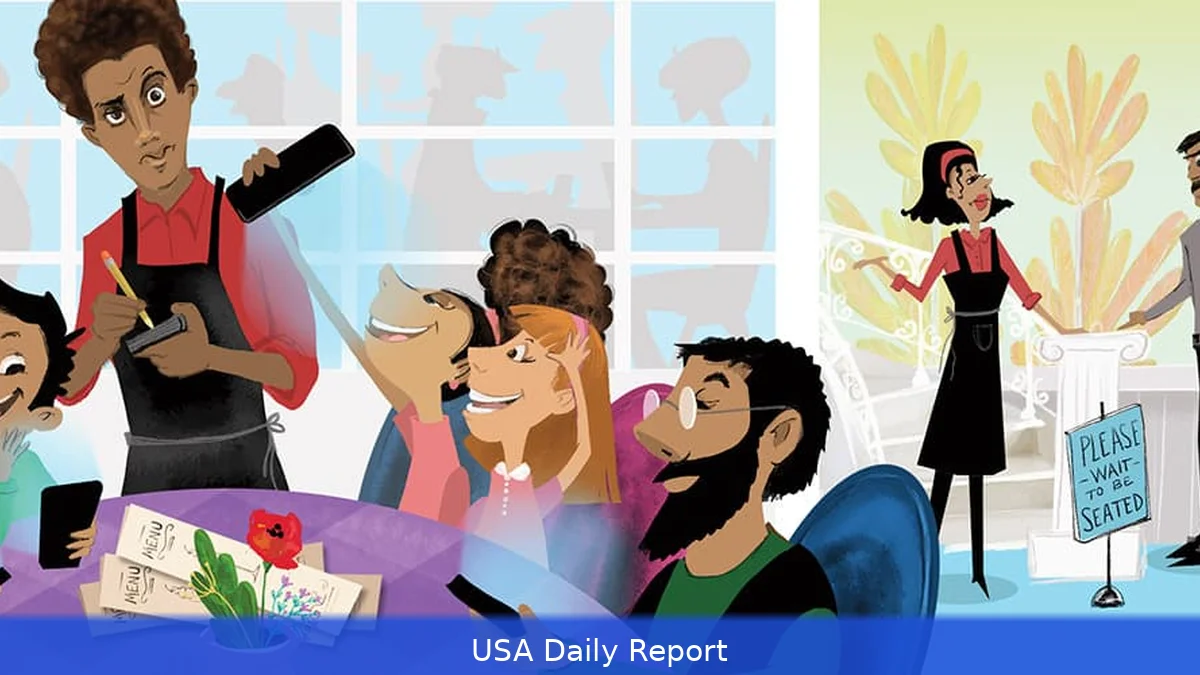
Restaurants have always been spots where people gather to eat, chat, and take a break from their busy lives. But in an era where smartphones dominate daily life, the question of whether phones should be allowed in restaurants sparks heated debate. This debate goes beyond manners; it touches on how restaurants run their business, keep customers happy, and adjust to new trends.
The Clash Between Convenience and Connection
Phones have become indispensable tools for many, offering everything from easy access to menus and reservations to quick communication. Yet, their presence at the dining table often divides opinion. Some diners argue phones disrupt the intimacy of shared meals, turning face-to-face conversations into distracted exchanges. Others see phones as helpful, whether for snapping food photos, checking on work, or coordinating plans.
But the real friction lies in how restaurants handle the dilemma. Businesses want to attract customers and keep them happy, but they also want to foster an environment that encourages social interaction and repeat visits. Allowing phones might mean guests stay longer, but it could also mean less engagement with staff and fellow diners.
Take, for instance, some eateries that have tried banning phones outright to preserve ambiance. Others have introduced phone-friendly zones or offered incentives for unplugging.
Different restaurants try different things because it's tough to mix today's habits with old-school dining traditions.
Impact on Restaurant Profits
The money side of phone rules is trickier than it seems. Businesses like Paula's Country Kitchen in Sand Lake have faced serious financial hits from external factors—like road closures that reroute customers—but internal policies about phone usage can also affect revenue.
When phones distract diners, it can reduce table turnover. Customers engrossed in devices might linger longer, occupying space that could serve new patrons. On the flip side, some argue phones help spread the word via social media, effectively serving as free marketing.
A well-shot photo or a rave review online can bring in new crowds, boosting sales.
Still, not all restaurants benefit equally. Fine dining spots that rely on atmosphere and conversation may find phones undercut the experience, while casual spots might see less of an impact. The key is how each establishment leverages or limits phone use to fit its brand.
Technology as a Tool for Enhancing the Dining Experience
If used right, technology can actually help restaurants. The Cheesecake Factory's new rewards app is a prime example. Customers can make reservations, search the menu, place orders for pickup, and track rewards all in one place. The app even offers perks like free cheesecake slices with purchases, encouraging customer loyalty and repeat visits.
Apps like this take the sting out of crowded dining rooms and long waits, making visits more convenient. They also cater to the tech-savvy generation that expects seamless digital interfaces alongside quality food. So, while phones might distract at the table, they also serve as gateways to improved service and personalized offers.
Still, some folks don’t like too much tech getting in the way. Older customers or those seeking a quiet meal might resist app-driven interactions. Restaurants have to juggle these preferences carefully to avoid alienating parts of their clientele.
Social Norms and the Future of Dining Etiquette
Dining out has always been entwined with social norms. The emergence of smartphones throws a wrench into long-standing etiquette rules. Should it be rude to check your phone during dinner? Is it acceptable to take calls at the table? Opinions vary widely, and so do cultural standards.
Some restaurateurs worry that letting phones dominate the dining experience could erode the social fabric that restaurants help build. Others see the change as inevitable and try to adapt rather than resist. For example, some places offer phone charging stations or dedicated selfie spots to channel phone use into positive experiences.
Then there's the question of enforcement. Who decides when phone use crosses the line? Staff may hesitate to confront customers, fearing negative reviews or conflict. That leaves many policies as mere suggestions rather than rules.
In the end, the phone debate shows the bigger struggle we face today: staying connected without losing focus, and balancing convenience with old habits. As dining habits evolve, so will the ways restaurants navigate these challenges.
The question of whether phones belong in restaurants remains unsettled. As businesses experiment with policies and technology, the outcome will shape how we share meals—and moments—in the years ahead.


