
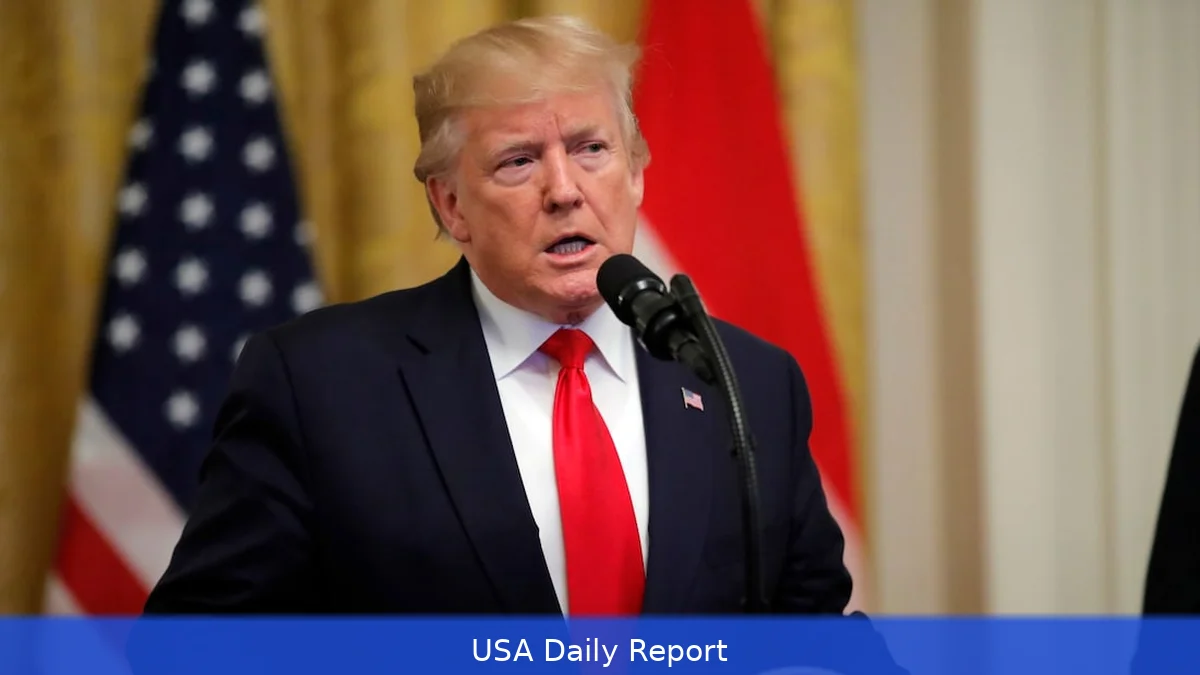
Trump says he’s optimistic about a deal. The Strait of Hormuz may not be open.
What's happening now
Talks aimed at extending a fragile two-week ceasefire between Iran and U.S.-backed partners are moving ahead even as key details remain fuzzy and tensions simmer. A U.S.-led delegation is set to meet in Islamabad, but diplomats and regional officials are sharply divided on whether the agreement is holding up and what comes next.
Diplomatic contacts are intense right now; envoys and intermediaries have been moving between capitals all week. Commercial traffic through the Strait of Hormuz — a key route for global oil — is the focus of the dispute, with operators rethinking transits and insurers reassessing risk.
Who’s in the room — and who’s watching
The U.S. Side will bring a small group of high-profile figures. Steve Witkoff, identified in media as the White House’s special envoy, and Jared Kushner, described in reporting as former President Donald Trump’s son-in-law, are listed to join the delegation. A senior U.S. Representative who has been in touch with Pakistani intermediaries also played a coordinating role.
Sultan Ahmed Al-Jaber, the United Arab Emirates industry minister and chief executive of state-owned oil giant ADNOC, weighed in publicly. He warned that access to the Strait of Hormuz was being restricted and controlled, saying the waterway shouldn't be treated as effectively closed.
And Karoline Leavitt, White House press secretary, framed the two-week ceasefire as a U.S. Win. She told reporters the president expects the strait to be reopened "immediately, quickly and safely," and said the administration had received private assurances that traffic would resume.
How the strait became a test
The Strait of Hormuz has long been critical to global energy flows: about 110 ships passed through daily before the recent fighting. Before hostilities widened in the region, about 110 ships passed through the strait daily, moving crude and refined products that power economies around the world. Any sustained disruption raises freight and insurance costs, pushes up fuel prices and makes already tense markets jittery.
When insurers or operators flag a route as unsafe, carriers reroute voyages or take tankers out of service, which raises freight and insurance costs. That raises shipping times and costs and adds to already volatile oil-price calculations. Markets hate uncertainty.
UAE officials sounded alarmed. Sultan Ahmed Al-Jaber used blunt language, saying the status quo required clarity and that the strait was being treated as closed in practice. Those comments came as the White House pushed back, saying it had seen an uptick of traffic and calling reports of a near-total closure false.
Diplomacy on the move
Washington has signaled it’s ready to press Tehran if the Iranians don’t follow through. A U.S. Official who engaged intermediaries in Pakistan relayed a stiff message: the United States is prepared to raise pressure on Iranian infrastructure until Iran meets certain U.S. Conditions for a longer truce.

That official also conveyed that the president had grown impatient and would make clear U.S. Willingness to strike additional targets if necessary. Those comments were part of an intensified diplomatic push that unfolded while the U.S. Interlocutor traveled in Hungary earlier this week.
Pakistan will host talks that are still taking shape. Reporting indicates Iran planned to send a delegation to Islamabad, and Iran’s ambassador to Pakistan, Reza Amiri Moghadam, posted that the delegation would arrive Thursday night — a message he later deleted without explanation.
Regional actors and spoilers
Regional players have their own red lines. Mahdi Mohammadi, an adviser to the speaker of Iran’s parliament, warned that continued Israeli strikes in Lebanon could unravel negotiations by provoking further retaliation. "Without fully restraining America’s rabid dog in Lebanon, there will be no ceasefire or negotiations," he wrote on social media, adding that missiles were ready to launch.
That’s the danger: local conflicts can cascade into the bigger deal. If Israel’s operations in Lebanon continue to spark Iranian proxy or allied responses, the fragile calm could crack. And if Iran judges the truce isn't holding because of outside actions, Tehran might refuse or walk away.
What this means for the United States
The U.S. Has cast the two-week pause as a strategic success — at least rhetorically. Karoline Leavitt called the ceasefire a victory for the United States and said the president had been privately assured the strait would be reopened. She told reporters that any sustained closure would be "completely unacceptable."
Those public threats could prompt Iranian retaliation or push U.S. leaders toward harder military steps, raising the risk of wider escalation. If the United States follows through on threats to hit additional Iranian infrastructure, the region could see a new phase of escalation that would affect U.S. Forces, allies and commercial shipping. The administration faces a political calculation: pressing Iran could deter aggression, but it could also widen the conflict and complicate efforts to protect global oil flows.
Economically, even short disruptions in Hormuz can ripple through markets. Freight rates climb, insurance premiums for tankers spike, and traders price in tighter supplies. For U.S. Consumers, that can mean higher pump prices sooner; for U.S. Refineries and the broader energy market, it means elevated risk premiums and volatility.
Political stakes at home
Trump has used diplomacy as leverage while pressing Tehran; his administration has warned Iran that more pressure or strikes are possible if the deal falters. That posture is tied to domestic politics: showing progress on a ceasefire can be presented as a win, while any further military action risks blowback from voters wary of another prolonged overseas engagement.
Sure, the White House wants to claim credit for stopping the rounds of open conflict. But it also must manage expectations about what a two-week pause actually secures — and whether it can be turned into a durable settlement without concessions Tehran won’t accept.
Roadblocks ahead
Negotiators face several awkward facts. First, the makeup of Iran’s delegation in Islamabad was unclear and Tehran’s public signals were mixed. Second, regional incidents — notably strikes in Lebanon — could undo progress. Third, commercial operators are responding to on-the-water realities faster than diplomats can rewrite headlines.
That combination makes the coming meetings risky. If diplomats can translate a temporary halt in fighting into concrete steps — verified maritime access, clear ceasefire lines, political commitments from regional actors — the pause could hold. If they can’t, the truce may be little more than a pause before the next round.
Point is, the diplomatic clock is short and the consequences are practical and immediate: ships, oil prices and the safety of civilians and service members hang in the balance.
One-sentence paragraph for emphasis.
Related Articles
- Iran Offers to Reopen Strait of Hormuz if U.S. Lifts Blockade; Washington Skeptical
- Oil tops $100 after Strait of Hormuz halt; JPMorgan warns of inflation, rate risk
- NPT Summit: 191 States Test Treaty After U.S.-Israel Strikes
Leavitt said: "We have seen an uptick of traffic in the strait today, and I will reiterate the president’s expectation and demand that the Strait of Hormuz is reopened immediately, quickly and safely."
This article was created with AI assistance.


