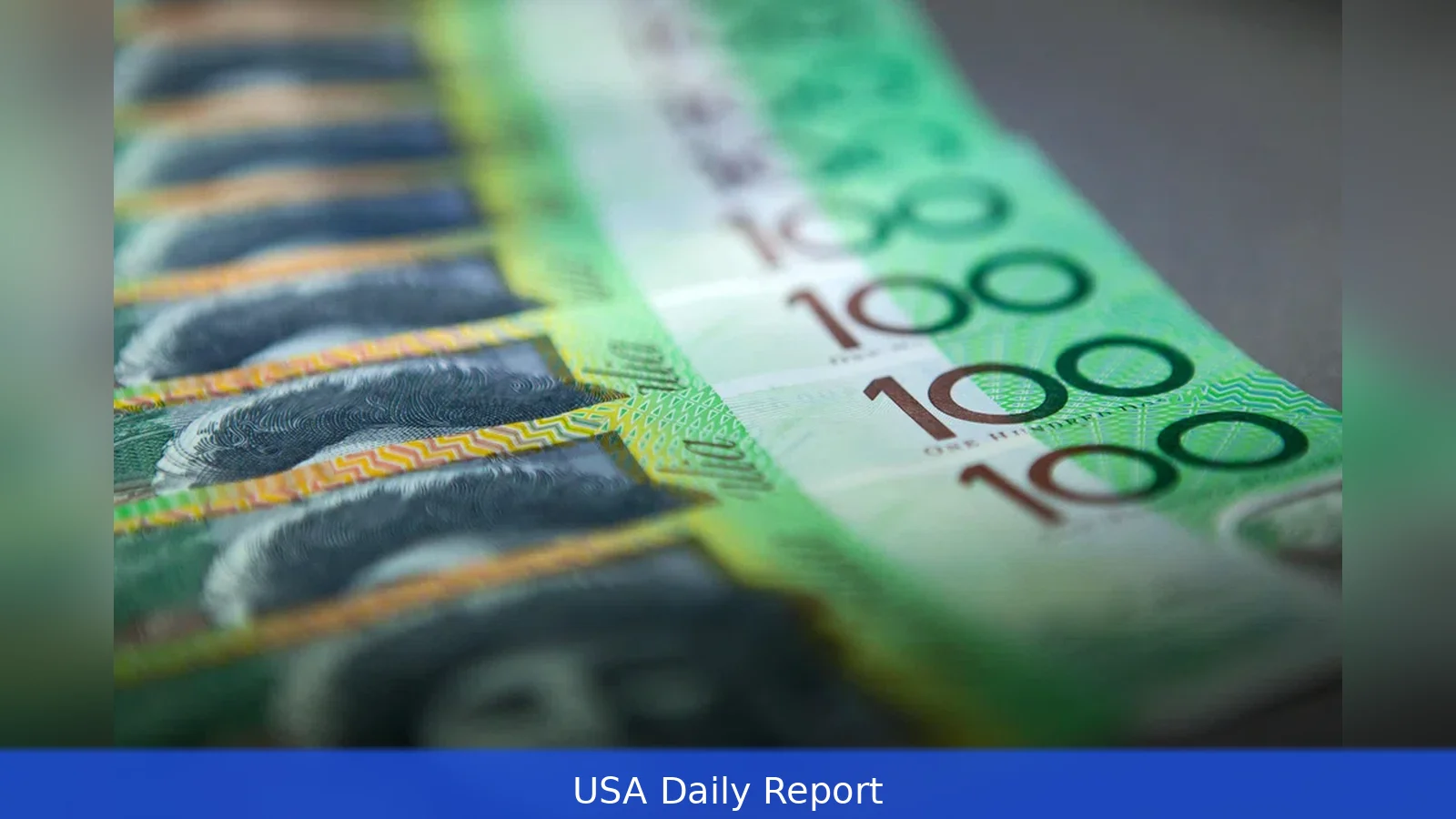
The Australian dollar climbed to levels not seen in nearly four years against the US dollar and surged to a 35-year peak against the Japanese yen.
Aussie Surges on Rate Hike Expectations
The Australian dollar briefly touched US$0.7168, its highest point in 45 months, surpassing a 2023 high of US$0.7158 before settling near US$0.7127. This marks a big rally, fueled largely by market speculation around an upcoming interest rate increase by the Reserve Bank of Australia (RBA).
Meanwhile, the Aussie reached an impressive 112.87 against the Japanese yen, a level not seen in 35 years. The New Zealand dollar reached a near 13-year high, and the euro climbed to a 15-month peak as well. The New Zealand dollar, however, lagged behind at US$0.5927 due to expectations of a later rate hike in September, contrasting with Australia's more immediate tightening stance.
Central Bank Signals and Market Reactions
Reserve Bank of Australia Deputy Governor Andrew Hauser was key to the currency's strength. On Tuesday, he highlighted that rising oil prices could push inflation higher, adding pressure on the RBA to consider raising rates at its March 17 policy meeting. This came after RBA Governor Michele Bullock described the upcoming meeting as "live" on rates, signaling openness to tightening monetary policy.
Hauser also noted the ongoing uncertainty surrounding geopolitical tensions in the Middle East but emphasized that the rate hike debate would be "genuine." After his remarks, markets more than doubled the odds of a March rate hike to around 65 percent. Right now, the market expects a 25 basis point increase to 4.1 percent in May and a total tightening of 58 basis points for 2026, which could bring rates back to the post-pandemic high of 4.35 percent. That peak was reached when consumer price inflation surged above 7 percent.
Inflation and Bond Yields Support the Rally
Australia’s headline inflation stands at 3.8 percent and will probably surpass 4 percent, driven in part by rising petrol prices. Core inflation, which strips out volatile items, remains elevated at 3.4 percent—well above the RBA’s target range of 2 to 3 percent.
Because inflation remains stubborn, there's a stronger case for the RBA to tighten monetary policy more aggressively.
The RBA's hawkish stance has pushed Australian three-year bond yields to their highest since mid-2001. At 4.488 percent, these yields sit 88 basis points above U.S. Treasury yields, marking the widest gap since 2016. Higher bond yields tend to attract foreign investment, which in turn boosts demand for the Australian dollar.
Comparing Regional Monetary Policies
Australia is moving to tighten policy, but New Zealand seems to be taking a more cautious approach. The New Zealand dollar’s weaker performance reflects market expectations that the Reserve Bank of New Zealand will hold off on raising rates until September. The differing timelines highlight how central banks in the Asia-Pacific region are navigating inflation pressures in unique ways.
The euro’s recent highs also suggest that other major economies are seeing some monetary policy shifts, although the Australian dollar’s gains stand out due to the RBA’s clear signals and a strong domestic inflation backdrop.
What’s Next for the Aussie?
Traders are watching the Australian dollar closely as it approaches the next key resistance level near US$0.7270. Should the RBA deliver a rate hike as anticipated, it could propel the currency even higher. However, global uncertainties, including geopolitical risks and volatile oil prices, could make the outlook.
Investors and traders need to keep a close eye on RBA announcements, inflation numbers, and bond market trends. The central bank’s next steps could shape the Aussie’s trajectory for the rest of the year.
Related Articles
- Rate-setters Face Double Danger From Iran and Tariffs
- ECB Officials Lean Toward Holding Rates in April
- France inflation faster in March, INSEE confirms
Reserve Bank of Australia Deputy Governor Andrew Hauser warned that rising oil prices could increase inflation, adding pressure for a rate hike at the March 17 meeting.


