
Gasoline jumped about 92 cents in a month. Fed officials say the Iran war and tariffs have created a rare two-way squeeze on policy.
Immediate shock and longer ripples
Gasoline prices rose sharply in mid-March, with AAA's tracker putting the national average for regular unleaded at $3.842 a gallon on March 18 — roughly 92 cents higher than a month earlier. That jump has the Federal Reserve's policy makers watching two opposing threats at once: a near-term boost to headline inflation from energy costs, and a possible hit to growth if the shock proves large or persistent.
Higher fuel prices directly raise business costs and squeeze household budgets, which pushes the Consumer Price Index up in the short term. That lifts the Consumer Price Index for a period and makes it harder for the Fed to justify cutting the federal funds rate.
At the same time, the war-related spike could act like a tax on the economy. If companies retrench or consumers pull back on big purchases such as cars and homes because gas and heating costs are higher, job growth could slow and unemployment could rise. And higher unemployment would normally argue for lower interest rates, not higher ones.
Fed's stance: wait and see
The Federal Open Market Committee left its policy rate unchanged at a target range of 3.50% to 3.75% at its recent meeting.
Jerome Powell, Fed Chair, told reporters the near-term effect of higher oil and gas prices is likely to lift inflation, but he stressed it's still too early to know how the conflict will affect overall growth and the labor market.
That cautious posture was reinforced in the Fed's updated forecasts. Officials now project headline inflation of about 2.7% by year-end and core inflation — which strips out food and energy — also at roughly 2.7%, a touch higher than previous projections. Those numbers mean policy makers are preparing for a bit more inflation pressure than they expected a few months ago.
The 'double danger' and what economists say
Economic forecasters and former Fed officials warn the mix of rising energy prices and tariffs makes the central bank's choices tougher. Nathan Sheets, chief global economist at Citi and a former senior economist at the Federal Reserve, said the combination limits the committee's flexibility. "With Iran and the oil shock, I think the committee's room for maneuver here is pretty limited," Sheets said.
Tim Duy, chief economist at SGH Macro, pushed the point further on inflation forecasts. "Any reasonable forecast for inflation now shouldn't have a cut" projected for this year, he said, adding that core inflation measured the Fed's way could be closer to 2.8% by year-end. If inflation expectations are revised up, plans to lower rates could be delayed or scrapped.

Not everyone on the committee agrees—Governor Stephen Miran dissented and argued for a quarter-point cut. Governor Stephen Miran dissented at the recent meeting, arguing for a quarter-point cut. Miran's position reflects a view that softer labor-market signals and other signs of cooling would let the Fed ease even with temporary energy-driven inflation.
Tariffs add a separate layer of risk
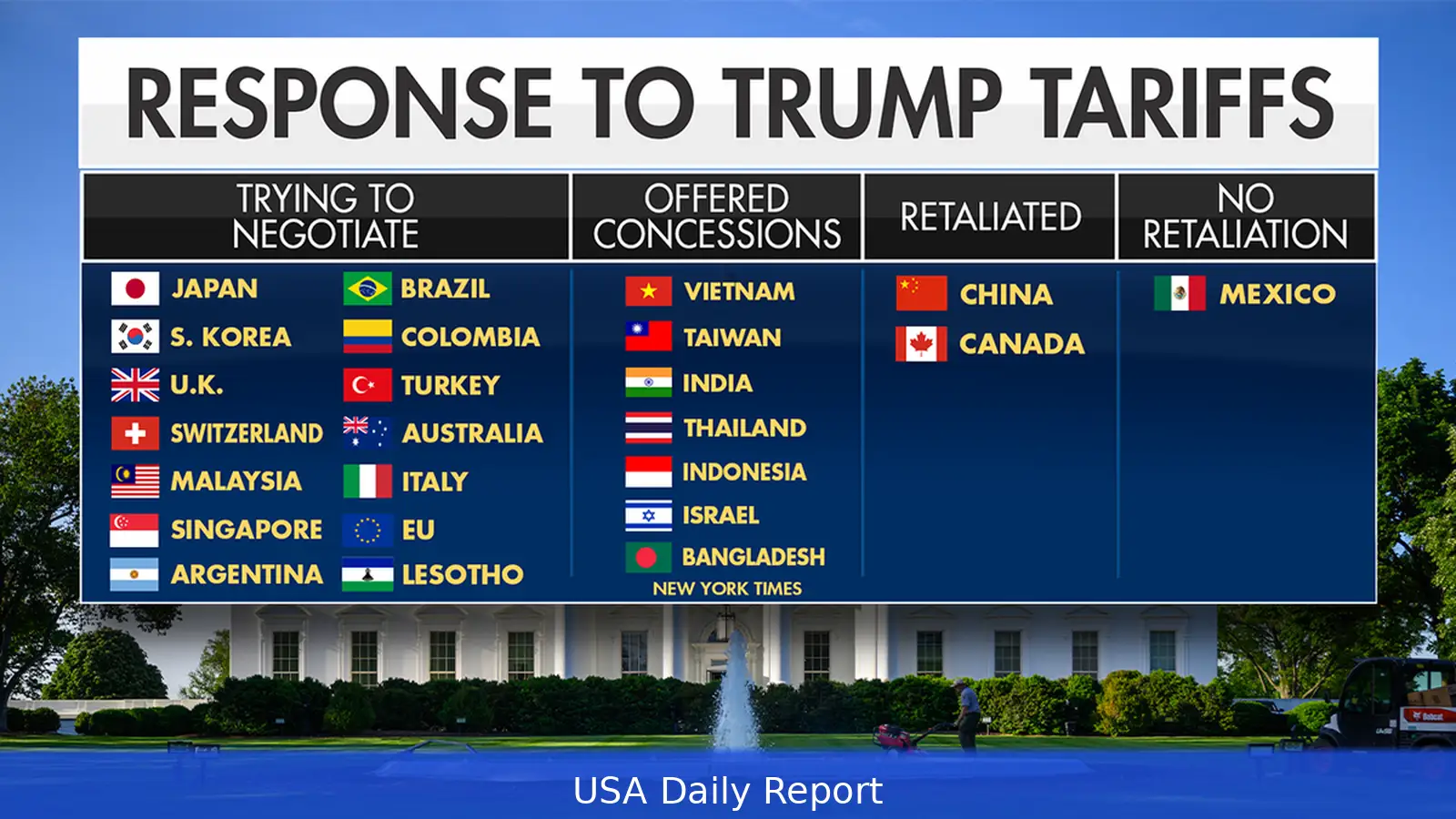
Tariffs, whether new or expanded, can push up costs across supply chains and raise import prices that firms may pass on to consumers. Import taxes put upward pressure on prices for goods, and companies often pass some or all of those added costs onto consumers. The result: another inflation impulse that sits on top of energy-driven moves, complicating the Fed's calculus.
Higher tariffs also change business planning. Firms facing more expensive inputs or uncertain trade rules may delay investment or hiring, and that can slow economic momentum. If enough businesses pull back, the Fed could see employment weaken even as inflation readings climb because of tariffs and fuel costs.
How the Fed balances the two risks
Fed officials weigh this trade-off at every meeting. For now they've signaled patience: they're holding the policy rate steady while watching incoming data. Powell emphasized the need to avoid repeating the early-pandemic mistake of dismissing inflation as temporary, but he also noted energy shocks often fade without the Fed needing to tighten further.
Markets have pushed expected rate cuts later; futures now point toward the first cut arriving in the fall instead of midyear. Economists widely shifted expectations after the spike in oil and gas prices, with many now penciling in the first reduction in the federal funds rate for September or later.
Political backdrop and leadership transition
The Fed's decision-making is playing out against a frayed political scene. Powell's term as chair ends May 15, and President Donald Trump has nominated former Fed official Kevin Warsh to replace him. The Senate confirmation process has been slowed by broader disputes involving Justice Department investigations and subpoenas, adding uncertainty about leadership continuity at a delicate moment.
The political noise won't change how Fed policy operates, but it can affect the optics and the timing of public messaging around decisions. Fed governors who are closely aligned with different views on inflation and growth may push public messaging in ways that make compromise harder.
What the numbers show and what to watch next
Outside of energy, underlying price pressures have been cooling slowly.
Core inflation readings have ticked up in recent months, but the trend hasn't returned to the rapid increases seen earlier in the inflation surge. Employment data will be the other key input: solid hiring and low unemployment would let the Fed keep rates higher for longer to fight inflation; a deterioration in jobs could tilt the committee toward easing.
Look at wholesale and retail price indicators, pay attention to weekly jobless claims, and watch how consumers respond at the pumps and in their overall spending patterns. the pump and in stores. If oil prices fall back, the headline inflation impulse could fade quickly. If oil stays elevated or tariffs bite deeper, the Fed's window for cutting rates will shrink.
For now, policymakers are left with two opposing forces pressing on the same lever. The central bank's next moves will depend on which force proves stronger in the months ahead.
Related Articles
The Fed left the federal funds rate at a 3.50%–3.75% target range.
This article was created with AI assistance.


