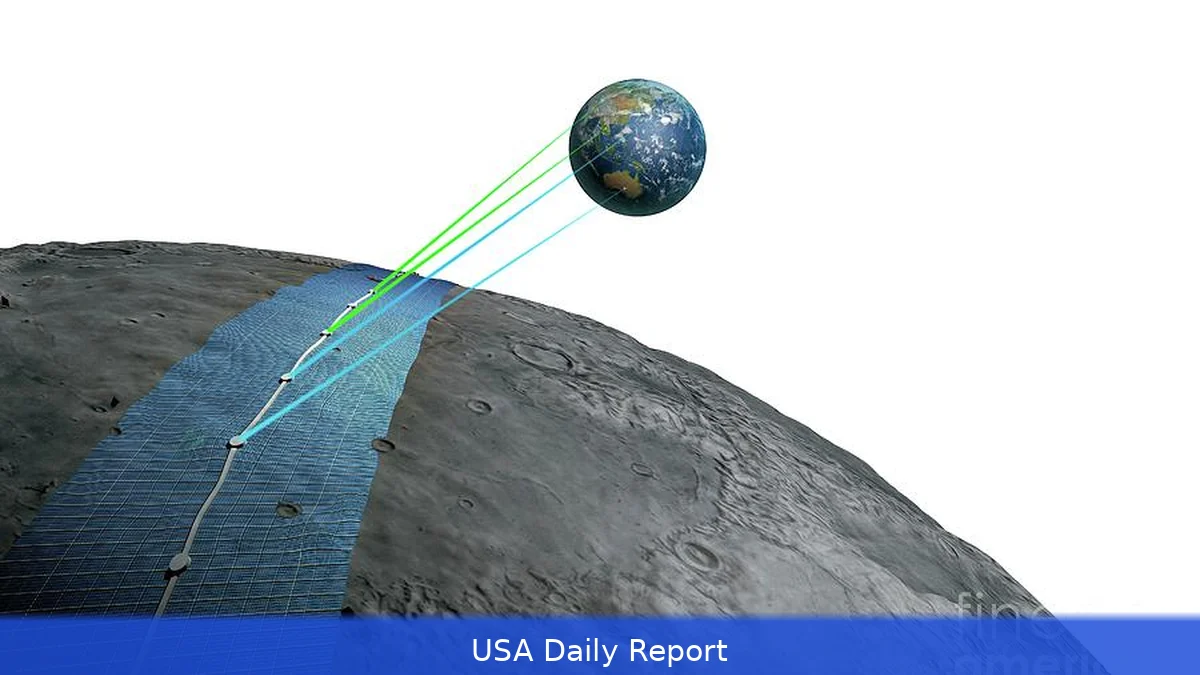
Japan is setting its sights beyond Earth, aiming to build a solar power ring around the moon. The ambitious plan could deliver constant, clean energy to Earth, reshaping the future of global power supply.
A Bold Vision Beyond Earth
Imagine a giant solar array circling the moon, capturing sunlight 24/7 and beaming that energy back to Earth. That's the big idea Japan is exploring as it pushes the boundaries of clean energy innovation. The project could provide a steady stream of renewable power, freeing the planet from the ups and downs of weather-dependent solar and wind.
Japan’s Ministry of Economy, Trade and Industry is backing research into such space-based solar power systems. The concept isn't new—scientists have toyed with it for decades—but recent advances in robotics, AI, and space tech are turning it from science fiction into a serious possibility.
At a time when global energy demand is soaring and climate change pressures intensify, this lunar ring could be a game-changer. By harnessing the moon’s constant exposure to sunlight, Japan aims to tap an energy source that’s cleaner, steadier, and more reliable than anything we generate on Earth.
Why Japan Is Leading the Charge
Japan faces unique challenges that make this project a national priority. Its population is shrinking, with fewer workers available to maintain infrastructure and develop new energy sources.
Meanwhile, its economy depends heavily on imports for fossil fuels, making energy security a constant concern.
Japan already leads the world in robotics and industrial AI, fields that are vital for building and maintaining a massive solar station on the moon. The country’s expertise in mechatronics and hardware supply chains gives it an edge in developing the complex systems needed for space-based solar power.
And there’s a bigger picture here. Japan wants to corner a slice of the global high-tech energy market. By 2040, it aims to capture 30% of the physical AI sector worldwide, using the same technologies that will power its lunar ambitions to keep factories and infrastructure running back home.
Challenges and Opportunities
Getting power from the moon isn’t as simple as planting solar panels. The logistics of building, launching, and assembling a solar ring hundreds of thousands of miles away are staggering. The system would need to convert solar energy into microwaves or lasers for transmission to Earth, then safely receive and integrate that power into existing grids.
Costs will be sky-high, and the technology must prove safe and efficient. But Japan sees this as an investment in the future—a way to leapfrog current limits on renewable energy and reduce reliance on fossil fuels.
Plus, the project could spur advances in robotics, AI, and space exploration. As physical AI helps fill labor gaps on Earth, it will be crucial for assembling and maintaining moon-based infrastructure. Japan’s demographic crunch—where fewer working-age people must support an aging society—makes automation a must.
By combining AI-driven robotics with space solar power, Japan hopes to build a sustainable energy cycle that supports its economy and sets a precedent for others.
Global Implications
If successful, Japan’s lunar solar ring could reshape energy markets worldwide. Endless clean energy would help cut carbon emissions and combat climate change. It would also reduce geopolitical tensions linked to fossil fuel supplies.
But the technology might not come cheap or fast. Other countries, including China and the U.S., are also exploring space-based power, setting the stage for competition in a new energy frontier.
Japan’s strategy could prove a blueprint for how countries balance cutting-edge tech with economic pressures and resource constraints. The effort highlights how energy innovation is no longer confined to Earth but expanding into space.
Japan’s push to build a solar power ring around the moon shows how far nations will go to secure clean, reliable energy. The project embodies a high-stakes bet on technology, demographics, and the future of global power. Whether it pays off might depend on breakthroughs in robotics, AI, and space exploration over the next two decades.


