
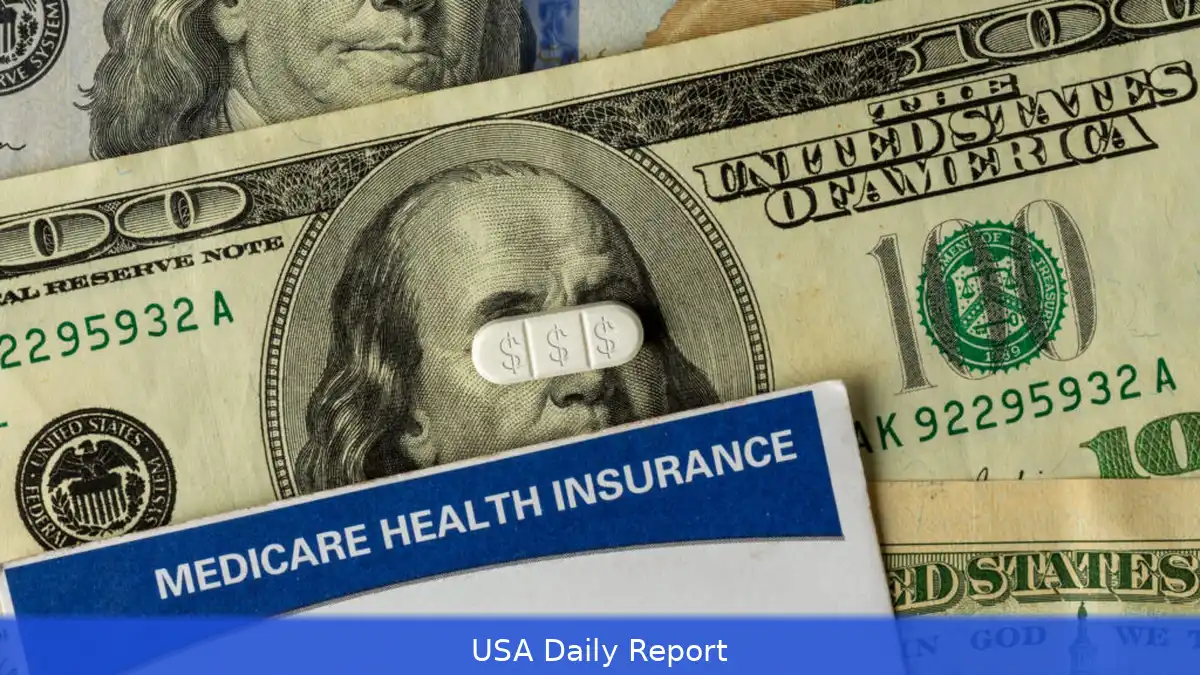
Medicare is set to pay private insurers nearly 2.5% more next year, marking a sharp rise from earlier estimates. That means billions more flowing into health plans run by giants like UnitedHealth, Humana, and CVS — and investors took notice.
Medicare’s Final Rate Hike Sends $13 Billion More to Insurers
The Centers for Medicare & Medicaid Services (CMS) surprised many by finalizing a 2.48% increase in Medicare Advantage (MA) plan payments for the 2027 calendar year. That hike translates to over $13 billion in additional payments compared to 2026, a major jump from the agency’s earlier January estimate of just 0.09%, which was only about $700 million more than last year. The sizable boost reflects adjustments in expected health care costs, changes to the Star Ratings system that rates plan quality, and tweaks to how risk is calculated for payments.
CMS’s final decision means private insurers participating in Medicare Advantage will now receive more money per enrollee than originally projected. That’s a big deal considering Medicare Advantage plans covered roughly 50 million people in 2023, and the program accounts for a big chunk of federal health spending.
Medicare Advantage has grown quickly over the last ten years, moving many seniors from traditional Medicare to private plans. According to CMS data, nearly half of all Medicare beneficiaries were enrolled in MA plans by 2023.
When payment rates rise, private companies can spend more on care, services, and possibly increase their profits.
That said, but why the jump from 0.09% to 2.48%? CMS didn’t fully adopt its originally proposed changes to the risk adjustment process that factors in patients’ health conditions to determine payments. Instead, it stuck with a model calibrated using older data from 2018 and 2019, which tends to result in higher payments than the newer model the agency had floated. Risk adjustment is complicated but key — it tries to make sure plans get paid fairly based on how sick their enrollees are. The final choice to hold off on newer data boosted the payment rates significantly.
Market Reaction: Private Insurers Rally on Payment News
The announcement sent shares of major Medicare Advantage players soaring in after-hours trading. UnitedHealth Group’s stock jumped nearly 10%, Humana climbed 12.6%, and CVS Health rose 7.8%. That shows investors see this as a clear win, boosting revenue and earnings prospects for these companies.
Humana, for instance, is one of the largest Medicare Advantage providers, covering millions of seniors. More money from CMS means it can invest more in care management, technology, and possibly expand its offerings. UnitedHealth, the country’s biggest health insurer, also runs a substantial MA business through its Optum unit. The rate hike likely improves its outlook for 2027 and beyond.
For CVS Health, which acquired Aetna a few years back, the higher rates mean more Medicare Advantage revenue flowing into its health insurance segment. The company has been pushing to integrate pharmacy benefits and health plans, so an uptick in MA payments supports that strategy.

Private insurers have been lobbying for higher Medicare Advantage payments for some time. They argue that previous rates didn’t keep pace with rising medical costs and investments needed to manage care effectively. This 2.48% increase is a clear response to those concerns, giving them more breathing room financially.
What Goes Into the Medicare Advantage Payment Rate?
CMS sets Medicare Advantage payment rates annually using complex formulas. The agency considers factors like medical inflation, expected health care utilization, plan quality as measured by Star Ratings, and risk adjustment models. These models estimate expected costs by analyzing beneficiaries’ diagnoses and health status.
Star Ratings incentivize plans to improve quality by rewarding higher-rated plans with bonus payments. CMS updated these ratings and factored them into the final rate hike. Plans with better scores get paid more, encouraging insurers to invest in preventative care and chronic disease management.
Risk adjustment is especially complicated. It tries to avoid penalizing plans that enroll sicker patients by increasing payments for those enrollees. The final decision to use the 2024 risk adjustment model calibrated with older data from 2018 and 2019, rather than the newer 2023-2024 data, contributed to the payment increase. The older data generally produces higher estimated costs, leading to bigger payments.
CMS also excluded diagnosis information from unlinked chart reviews — a change that impacts risk scores. These technical tweaks, combined with updated cost projections, explain much of the difference between the initial and final rate hikes.
Broader Implications for Medicare and Health Care Spending
Medicare Advantage’s growth has transformed how seniors get health coverage.
More than half of Medicare beneficiaries now pick private plans over traditional Medicare. This program controls hundreds of billions in federal spending, making payment rates a huge driver of health policy and budget decisions.
Higher payments might improve care coordination and benefits for seniors, but they also raise concerns about Medicare’s total costs. Medicare Advantage plans often provide extra perks like dental, vision, and fitness programs that traditional Medicare doesn’t cover. More funding could expand these offerings.
Still, higher payments also mean Medicare’s tab grows. The federal government faces pressure to manage health care spending amid other budget demands. How CMS balances fair payments with cost control will be closely watched in coming years, especially with an aging population and rising health care prices.
Insurers will likely use the extra funds to attract more enrollees and invest in technology to manage care better. But critics of Medicare Advantage argue that some plans profit excessively and that higher payments don’t always translate to better outcomes. The debate over payment fairness and value continues.
CMS’s final rate announcement signals a shift toward more generous Medicare Advantage funding for 2027, reflecting both rising costs and political pressure to support private insurers in the program. It sets the stage for another year of growth and competition in the senior health insurance market.
Related Articles
- Fed signals patience, projects one cut in 2026
- UAE Leaves OPEC — Saudi Arabia Picks Up the Slack
- Three risks that could push the Fed to pause
Medicare’s 2.48% hike in Advantage payments for 2027 marks a notable reversal from earlier expectations, pumping billions into private insurers and sparking a stock rally. How this extra money shapes care for seniors — and Medicare’s long-term finances — will be a story to watch.
This article was created with AI assistance.


