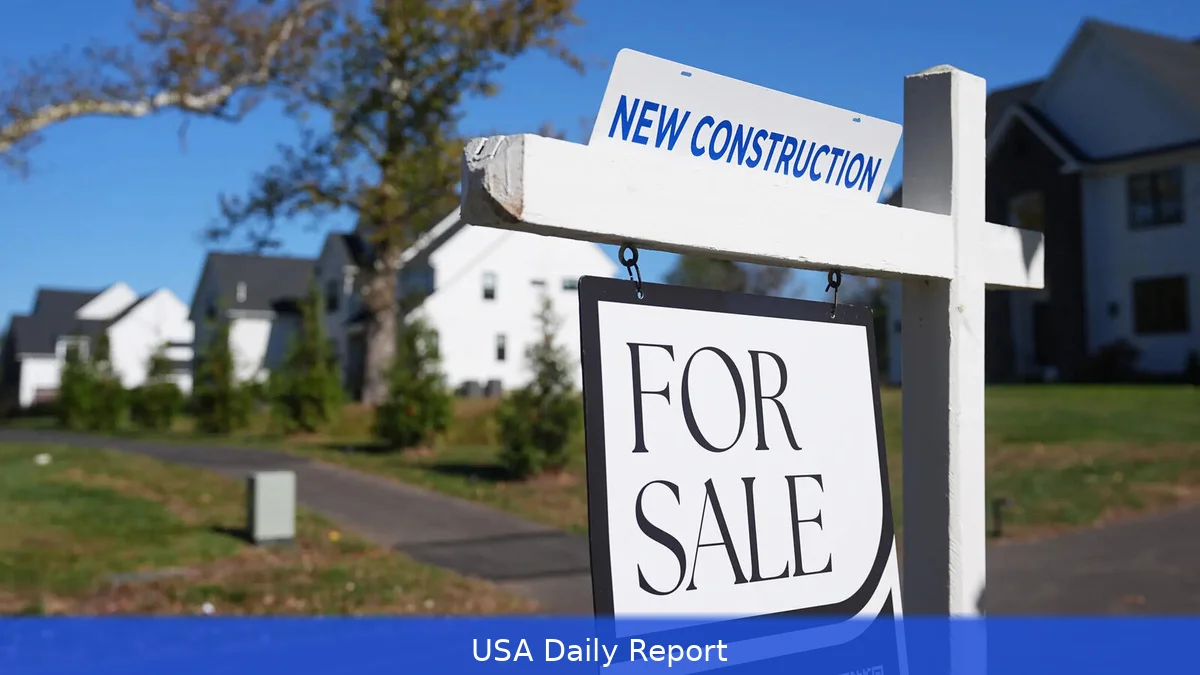
Mortgage rates have surged to their highest in months as the conflict with Iran sends shockwaves through the U.S. Economy. Yet, the housing market still holds opportunities for buyers willing to navigate the uncertainty.
Rising Mortgage Rates Shake Up Spring Market
Mortgage rates hit 6.46% this week, marking their highest point in nearly seven months. That’s a sharp jump from late February, when the average rate on a 30-year mortgage dipped below 6% for the first time in over three years.
So what’s driving the recent climb? The war in Iran has pushed energy prices higher, stirring fears of inflation. Investors are demanding bigger returns on U.S. 10-year Treasury bonds, which lenders use to price home loans. As those yields climb, so do mortgage rates. The conflict has also cast a shadow over the job market, which is showing signs of weakening.
“The war in Iran has seriously complicated the spring buying season,” said Joel Berner, senior economist at Realtor.com. “Many buyers will be hesitant, opting to wait rather than rush into purchases amid rising rates and growing economic uncertainty.”
Buyers Gain Leverage Despite Rising Costs
The silver lining? Even though rates have ticked up, they remain lower than a year ago. That’s helping to keep the housing market somewhat buyer-friendly right now. In many areas, sellers are feeling the heat as homes linger on the market longer than usual.
Some are cutting prices or offering incentives to close deals.
Dallas-Fort Worth illustrates this trend well. Matthew Crites, a Coldwell Banker Realty agent, says sellers are pricing homes more competitively and sometimes throwing in perks like help with closing costs.
Anne King knows this firsthand. She bought a three-bedroom ranch-style house in Fort Worth listed at $275,000. King offered $10,000 under asking, secured $5,000 toward closing costs, and convinced the seller to cover an additional $12,000 for roof repairs after inspection. “Fortunately for me, the seller needed to sell,” she said.
Uncertainty Clouds Market Outlook
But the bigger picture is far from clear. Rising mortgage rates threaten to cool demand during what's usually the busiest season for home sales. The war has injected an unpredictable element into the economy, potentially prolonging job market struggles and feeding inflation concerns.
Higher borrowing costs could squeeze buyers out of the market or force them to settle for less, while sellers might have to adjust their expectations. The tug-of-war between these forces will shape housing trends in the months ahead.
Meanwhile, the conflict’s ripple effects extend beyond real estate. Energy prices are a big factor pushing inflation up, which in turn pressures the Federal Reserve to keep hiking interest rates. Those hikes further influence mortgage costs and consumer spending.
Looking Ahead: What Buyers Should Watch
Homebuyers face a tricky landscape. Rates could climb further if the war intensifies or if inflation worsens. On the other hand, a cooling economy might slow rate hikes or even bring some relief.
For now, buyers who qualify for current mortgage rates have a chance to negotiate from a position of strength. Sellers are often more willing to provide concessions than a year ago, and the market is less frenzied.
Still, the conflict with Iran adds a layer of uncertainty that could weigh on the housing market for some time. Prospective buyers and sellers alike will need to stay alert to shifting financial signals — and be ready to adapt.
Mortgage rates are climbing as the Iran conflict drives inflation fears, but buyers are finding more negotiating power amid slower home sales. How long That dynamic lasts depends on how the war and the economy unfold.


