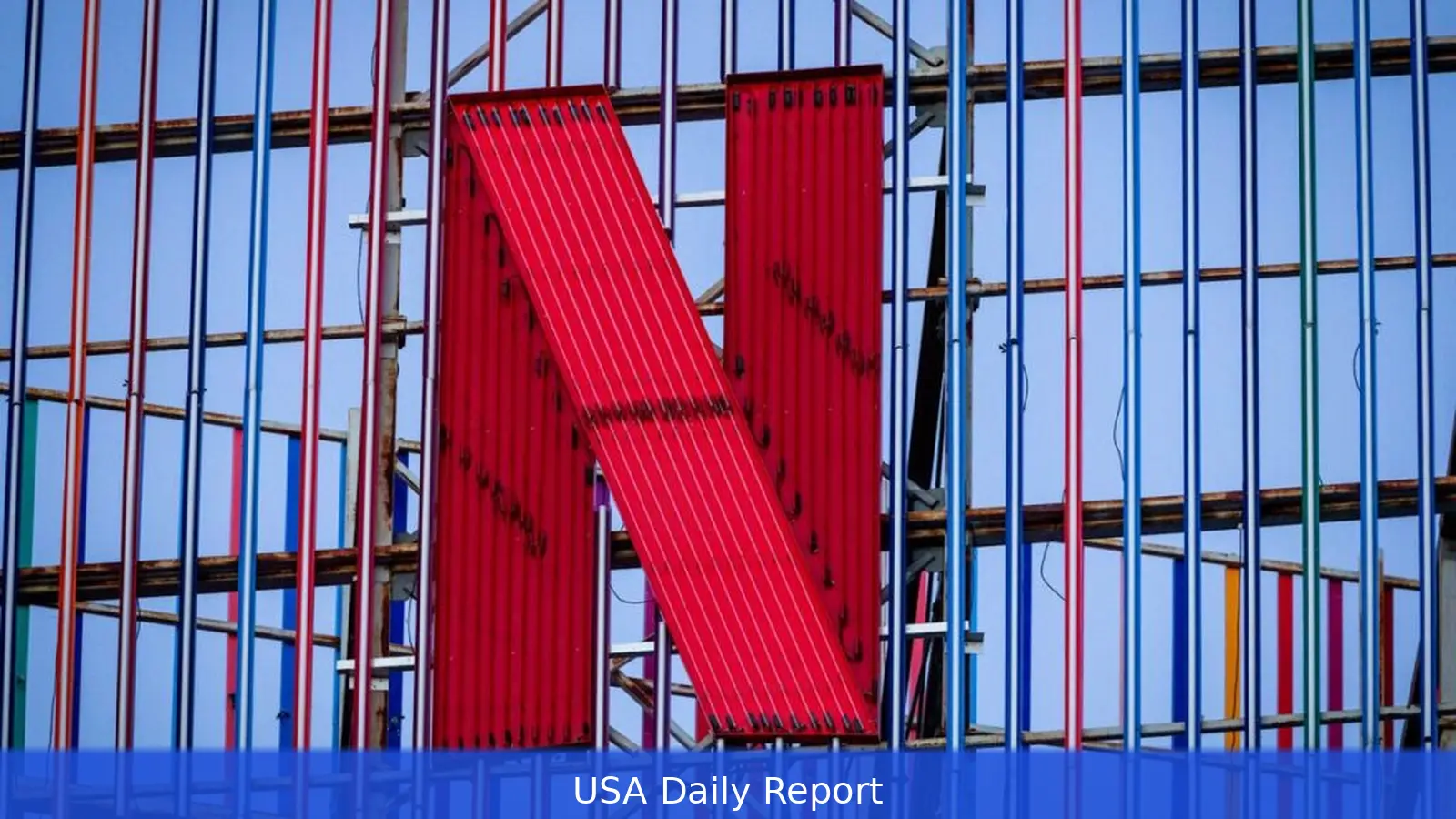
Netflix offered $72 billion for Warner Bros. Discovery assets.
What changed at Netflix
For years Netflix told investors it preferred to build rather than buy. The mantra guided spending on original shows and global expansion. That stance shifted late last year when Netflix stepped into the Warner Bros. Discovery sale process as an active bidder.
Investors took notice.
The proposal that caught attention was a December agreement in which Netflix reached terms to acquire Warner Bros. Discovery's film studio and streaming assets in a deal valued at $72 billion. The plan moved Netflix from a company focused largely on in-house growth into a bidder for one of the largest packages of content and production capabilities available in the market.
But the offer didn't close. In February, the combined Paramount Skydance group submitted a superior bid and ultimately prevailed, prompting Netflix to walk away from the transaction. Netflix then collected a $2.8 billion breakup fee, a concrete financial outcome from the episode.
Management’s take
Questions about whether Netflix will pursue more deals came up on the company's most recent earnings call. Analysts pressed management on what the WBD process meant for strategy going forward. The call included the usual discussion of engagement, content spending, pricing and membership growth — and an added focus on mergers and acquisitions.
"What we did learn, though, was that our teams were more than up to the task," said Ted Sarandos, Netflix co-CEO.
Sarandos framed the WBD pursuit as a learning exercise as much as a strategic play. He said the company tested its ability to execute on a large, complex transaction and to begin early integration work. The acquisition attempt, he added, helped Netflix refine its investment discipline even though the bid didn't succeed.
Why Netflix moved
Netflix entered the bidding despite being the world's largest streaming service by paid membership. The company reported 325 million paid global members in January. That scale did not, in management's view, eliminate the need for deeper intellectual property and studio capabilities.
The stated rationale was straightforward: Netflix wanted access to franchises and film production that could accelerate content output and bolster the company's foothold in theatrical movies and studio operations. The WBD assets offered long-running franchises, a sizable film library and production infrastructure that Netflix can't replicate overnight.
Executives framed the approach as strategic rather than a surrender of Netflix's builder identity. The company appears to view large, targeted deals as a complement to its long-standing content investments — not a replacement for them.
Financial and strategic implications
The failed purchase left Netflix with cash from the breakup fee. That $2.8 billion sum provides immediate capital flexibility. Netflix can use it for content, share buybacks, smaller acquisitions or to bolster its balance sheet. Management didn't spell out a specific use on the earnings call.
At the same time, the episode exposed the intensity of competition for premium content. Bidders with existing studio capacity and deep financing relationships can outmaneuver streaming-only players on price or deal structure. Paramount Skydance's superior offer is a reminder that media consolidation remains a bidding war among legacy and streaming firms alike.
For markets, the key question is whether Netflix's foray into mega-M&A is a one-off or the start of a broader strategy shift. The company now has practical experience with bid process, integration planning and investment gating. Those capabilities reduce execution risk if Netflix chooses to pursue other sizable targets.
What this means for content strategy
If Netflix leans more on acquisitions, expect the company to seek franchises and studio assets that plug into its global distribution network. Netflix has the subscriber base to monetize global box-office hits and long-running franchises — but not every acquisition enhances that pathway equally.
Acquiring production capacity can lower per-title costs over time and provide first-look access to IP for series and films. It also gives Netflix theatrical leverage; studio assets enable wider release windows and more control over how films are marketed and monetized across platforms.
Yet integration remains a major challenge. Sarandos' comment about early integration reflects the reality: combining corporate cultures, union contracts, distribution deals and international operations is complex. Netflix's teams learned from the WBD episode, but learning doesn't guarantee success in future deals.
Investor view and risks
Investors will weigh the upside of faster IP accumulation against execution and price risks. Large acquisitions can strain cash flow and add debt if financed. They can also saddle Netflix with legacy costs or contractual obligations that differ from Netflix's current cost structure.
For now Netflix retains its ability to pursue either path. The company can still rely on organic content creation while moving opportunistically on deals that fit its strategic criteria. The WBD push showed Netflix can enter the bidding arena — and can pay a price for walking away.
Whether shareholders prefer a builder or a buyer model depends on Balancing short-term costs and long-term content value. Netflix's membership scale and global reach remain the core assets that any acquisition would seek to extend.
Where things could go next
Netflix has two clear takeaways to use in future M&A decisions. First, the company now has firsthand knowledge of negotiating and structuring an enormous media transaction. Second, it measured its own ability to integrate complex operations quickly.
Both lessons cut the odds of simple execution mistakes in future bids. They do not, however, change market realities: competing bidders will still outbid Netflix if they value the assets more or can structure deals differently.
The timing of any future moves will matter. Netflix's cash position, content pipeline, and subscriber trends will influence whether management chooses to deploy capital on acquisitions or stay focused on in-house content. On the recent call, executives emphasized discipline around investment decisions — a signal they won't rush into deals for scale's sake alone.
Bottom line for markets
Netflix's attempt for Warner Bros. Discovery showed the company is willing to pivot from pure organic growth to large-scale bidding when it believes a target fits strategic needs. The effort produced a big breakup payment and, perhaps more importantly for Netflix, a tested M&A capability.
Markets now face a company that can both build and buy — and that choice will shape how Netflix competes with legacy studios, other streamers and new entrants in the years ahead.
"We've learned so much about deal execution, about early integration," said Ted Sarandos, Netflix co-CEO.