
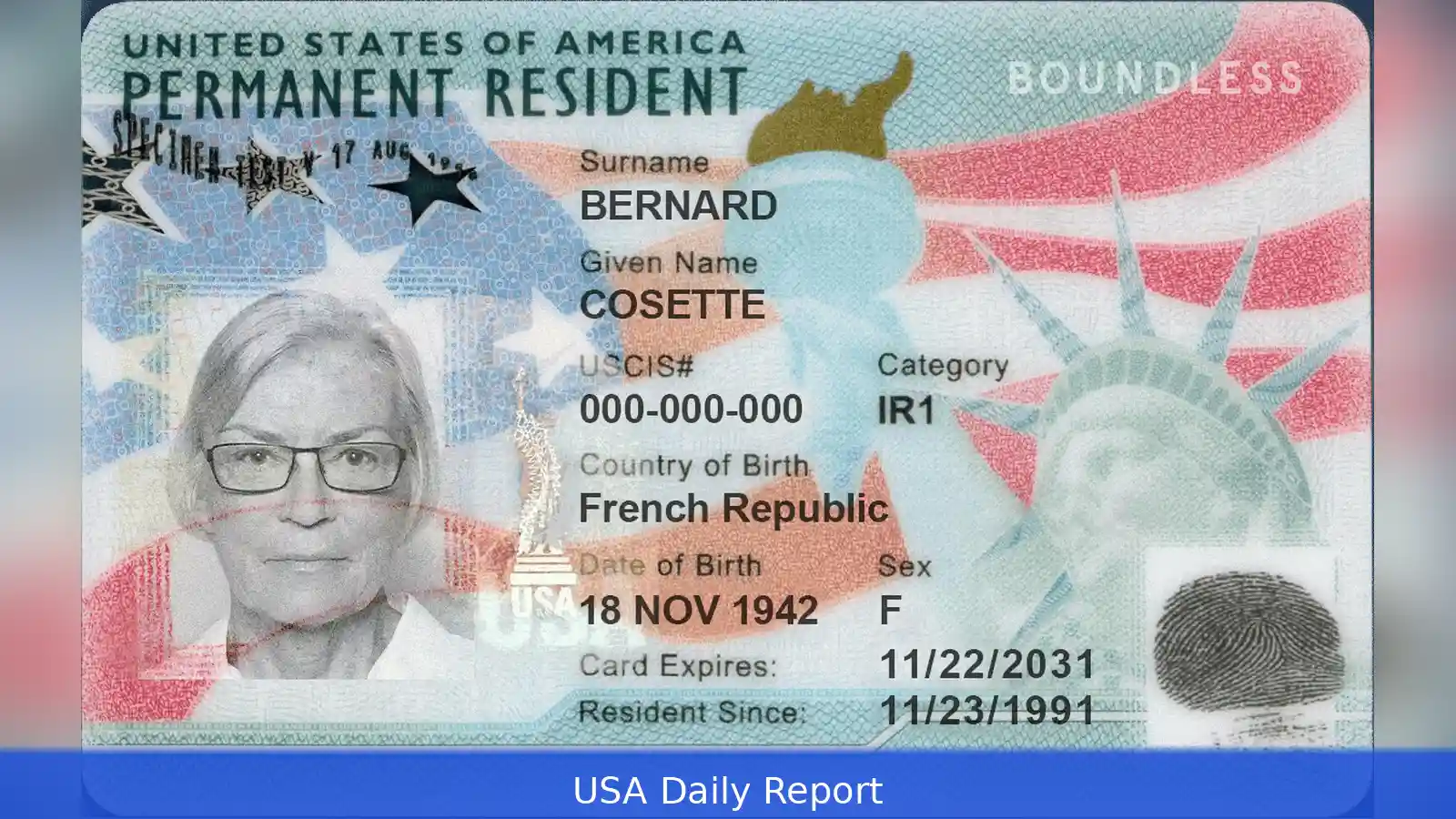
Want to live and work in the U.S. permanently? This guide walks through the main paths to a green card, the forms people usually file, typical costs and wait times, and the basic steps for adjusting status inside the U.S. or completing consular processing abroad. It lists key forms (I-130, I-140, I-485, DS-260), common costs like USCIS filing and medical exams, and where to check visa availability every month.
Quick-reference summary
Choose the route that applies to you and follow the outlined steps. Most routes end in either Adjustment of Status (Form I-485) inside the U.S. Or consular processing (DS-260) at a U.S. Embassy abroad. Here are the fast facts.
- Family-based: Immediate relatives — spouses, parents, and unmarried children under 21 — generally move fastest; the sponsor normally files Form I-130 to start the case.
- Employment-based: Employer sponsor often needs PERM labor certification, then Form I-140 (fee $700). Processing times vary by country and preference category; some backlogs extend years for India and China in EB-2 and EB-3.
- Asylum/Refugee: Refugees can apply for a green card once they’ve held refugee status for 1 year. Asylees can apply after one year of being granted asylum.
- Diversity Visa (DV): Annual lottery winners complete DS-260 and a consular interview — winners must finish immigrant processing by Sept. 30 of the visa year.
- Other paths: Special immigrant categories, registry, Violence Against Women Act (VAWA), Cuban/Haitian adjustments, and some U and T visa holders may qualify under limited rules.
Key government pages: https://www.uscis.gov/green-card, https://travel.state.gov/content/travel/en/us-visas/immigrate.html, and the monthly Visa Bulletin at https://travel.state.gov/content/travel/en/legal/visa-law0/visa-bulletin.html.
Prerequisites
Here's the thing — before you start, confirm these basics so you don’t waste time or money.

- Eligibility category: family, employment, refugee/asylee, diversity, or a special program. Each has different proof and timing.
- Location: Are you inside the U.S. And eligible to file Form I-485, or outside and destined for consular processing (DS-260)? A change in location changes forms and fees.
- Financial sponsor: Many family cases and some employment-based petitions require Form I-864, Affidavit of Support. The sponsor must meet 125% of the Federal Poverty Guidelines for their household size — sponsors usually prove income with recent tax returns (Form 1040) and W-2s.
- Grounds of inadmissibility: Criminal convictions, immigration violations, public-charge concerns, or certain prior deportations can stop your case. Many waivers exist but they require extra forms and fees.
Step-by-step: How to get a green card United States 2026
Family-based green card (most common route)
Follow these steps for a U.S. Citizen or lawful permanent resident sponsor.
- Determine category. Immediate relatives (IR)—spouses, unmarried children under 21, and parents of U.S. Citizens—have no numerical cap. Preference categories (F1–F4) are subject to annual limits and waitlists; check the Visa Bulletin for cut-off dates by country.
- Sponsor files Form I-130, Petition for Alien Relative. Filing fee: $535. Include supporting documents: proof of petitioner’s U.S. Status (birth certificate, naturalization or passport), proof of relationship (marriage certificate, birth certificates), two passport-style photos, and certified translations if needed.
- Wait for approval. Processing times vary — immediate relatives often see approval in 6–12 months. Preference categories can take years depending on country of origin.
- If the beneficiary is in the U.S. And a visa number is immediately available, file Adjustment of Status Form I-485. Current USCIS fee for most applicants ages 14–78: $1,225 (includes $1,140 filing fee plus $85 biometric fee). If filing from abroad, follow National Visa Center (NVC) instructions and complete DS-260 at the consular stage. NVC fees commonly include the Immigrant Visa Processing Fee ($325) and Affidavit of Support Fee ($120) paid to the Department of State’s processing portal.
- You’ll go to a biometrics appointment, get a medical exam from an approved doctor, keep the scheduled interview, and then wait for the agency's decision. Expect total time from I-130 to green card for immediate relatives roughly 9–18 months if no backlog; preference cases can be much longer.
Employment-based green card
If an employer sponsors you, the process usually starts with recruitment and, if required, a PERM labor certification.
- If a PERM labor certification is needed, the employer must recruit and file with the Department of Labor to show that no qualified U.S. worker is available — that recruiting and processing can take many months, and audits can further delay things.
- Employer files Form I-140, Immigrant Petition for Alien Worker. Filing fee: $700. Use premium processing (15 calendar days) if eligible to speed a decision.
- Wait for visa availability. For many countries, EB-1 is current or short; EB-2 and EB-3 can have large backlogs — for example, applicants from India often face 10+ year waits in EB-2/EB-3 categories.
- Once a visa number becomes available, people inside the U.S. may file Form I-485 to adjust status, while those abroad go through the consular process and submit the DS-260. You may file Form I-765 (EAD) and Form I-131 (Advance Parole) with I-485 — EAD often has no separate fee when filed with Adjustment.
- Attend biometrics, medical exam, and interview as scheduled. USCIS may issue Request for Evidence (RFE); respond quickly — RFE deadlines are strict.
Asylum, refugee, diversity, and special cases
Short bullets for the other tracks.
- Refugees can apply for a green card one year after their arrival in the U.S. Asylees apply after one year in asylee status; file Form I-485 and include proof of status and travel history.
- Diversity Visa (DV) winners must complete DS-260, pay the immigrant visa fee (commonly $325), pass the medical exam, and appear at a consulate. DV winners must complete processing by Sept. 30 of the fiscal year allocated to that lottery.
- VAWA, U visas, and T visas: These carry special eligibility rules and sometimes directly permit adjustment after certain conditions are met. Processing times and forms vary by category.
Medical exam, biometrics, and background checks
Every applicant must clear health and security checks.
- Medical exam: Conducted by a USCIS-designated civil surgeon (AOS) or panel physician (consular). Cost typically $200–$500 depending on vaccinations required and local pricing. Results are valid for a limited time — check current USCIS and consular guidance.
- Biometrics fee: $85 for most applicants aged 14–78 (usually part of the I-485 payment total).
- Security checks: FBI name check, fingerprint checks, and consular record checks. Expect these to add weeks to months to the timeline.
Fees and typical timeline summary
Budget realistically — government fees plus medicals, translation, and lawyer costs add up.
- Common USCIS fees: I-130 $535; I-140 $700; I-485 commonly $1,225 for most adult applicants (includes biometric fee); USCIS Immigrant Fee to process and produce the green card after entry: $220.
- Consular/NVC fees: DS-260 processing fee ~ $325; Affidavit of Support processing fee $120. Medical exams: $200–$500. Attorney fees for straightforward cases often range from $1,500 to $5,000; complex cases cost more.
- Typical times: Immediate relative AOS: 9–18 months total. Family preference: years depending on Visa Bulletin. Employment-based PERM+I-140+AOS: often 12–36 months, with longer waits for backlogged countries. Asylum-to-green card: at least 1 year from grant of asylum then processing time on top.
Tips
- Check the Visa Bulletin every month — a date change can let you file I-485 immediately. The bulletin is at https://travel.state.gov/content/travel/en/legal/visa-law0/visa-bulletin.html.
- Keep copies of everything: passports, I-94 records, prior visas, all filings, and receipts. USCIS and consulates want originals for interviews but copies for your files.
- File accurate forms. Small mistakes cause delays — misspelled names, wrong DOBs, or missing signatures are common rejects.
- Use certified translations for any non-English documents. Include the translator’s statement and signature.
- If a waiver is needed for inadmissibility, identify and file early — waivers add months and require supporting evidence and fees.
Common mistakes to avoid
- Not checking visa availability before filing I-485 — filing too early or too late can cause denials.
- Failing to include proof of the sponsor’s income for Form I-864 or not providing current tax returns (usually last three years of Form 1040).
- Skipping medical exams or using a non-designated civil surgeon/panel physician — results will be rejected.
- Missing biometrics appointments without rescheduling; a missed appointment can lead to case denial.
- Relying solely on informal advice — immigration rules change. Use official pages: USCIS (https://www.uscis.gov), Department of State (https://travel.state.gov), and the Visa Bulletin link above.
Green cards grant permanent residence and a path to U.S. Citizenship. Follow the correct category steps, file the right forms (I-130, I-140, I-485 or DS-260), budget for government fees (I-130 $535, I-140 $700, I-485 commonly $1,225), medicals and the USCIS Immigrant Fee ($220). Track the Visa Bulletin monthly, meet all deadlines, respond promptly to RFEs, and keep records of every submission. If there are criminal or immigration-bar issues, consider counsel early. The process takes patience — plan financially and watch key dates.
This article was created with AI assistance.


