More than 32 million people could fall into poverty.
UNDP finds a triple shock
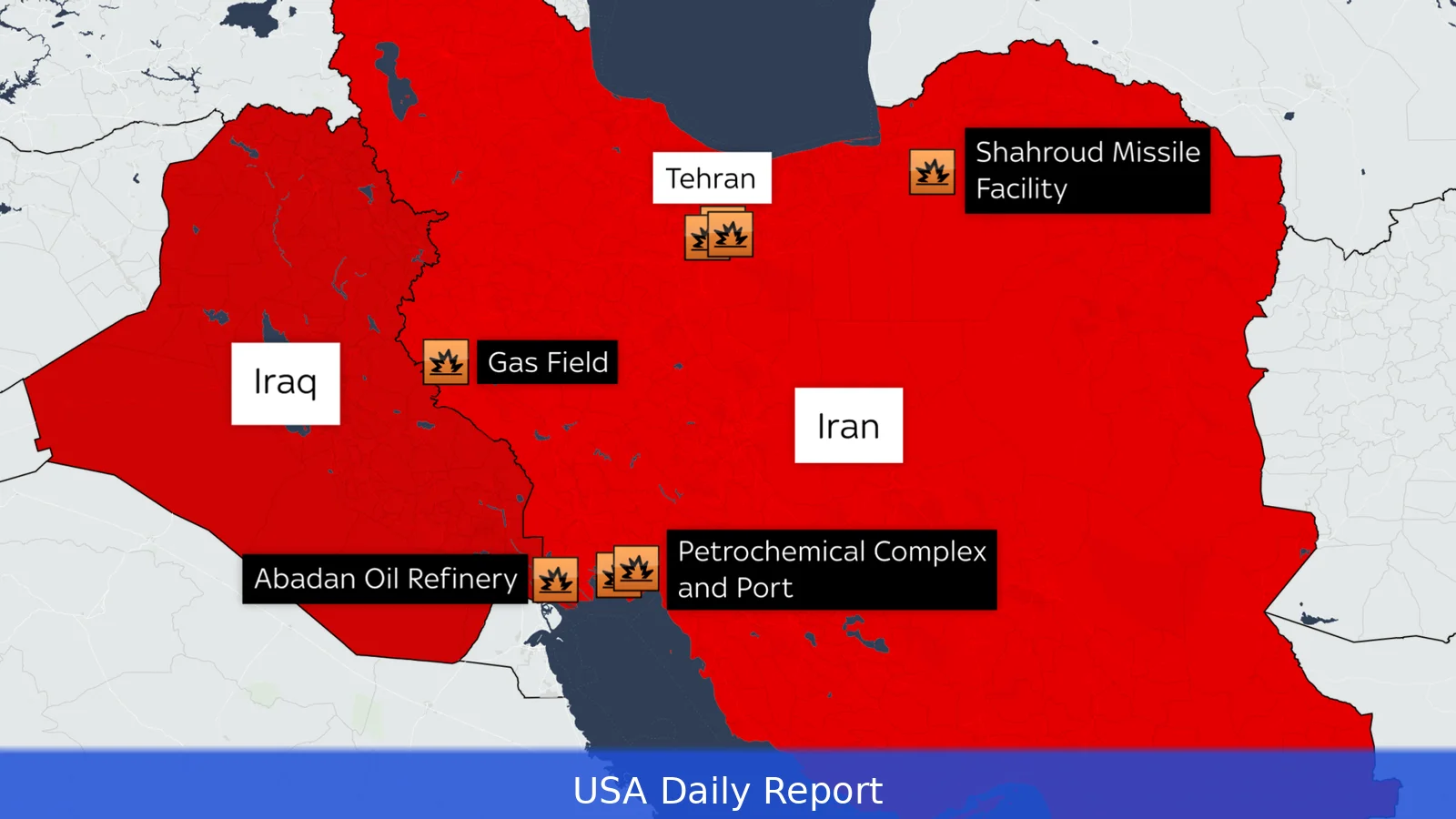
The United Nations Development Programme warned that the economic fallout from the Iran war risks pushing tens of millions back below the poverty line. The agency said the crisis combines three simultaneous shocks: spikes in energy costs, higher food prices and weaker global growth.
The UNDP report paints a bleak picture: in its worst case it finds 32.5 million people could be pushed back under the poverty line. In a worst-case projection — which assumes six weeks of major disruption to oil and gas production followed by prolonged higher costs lasting several months — as many as 32.5 million people worldwide could be pushed into poverty, the UNDP said.
Energy markets have been volatile since the outbreak of hostilities, the agency said, pointing to disruptions around the Strait of Hormuz and knock-on effects on fertiliser supplies and shipping. Those supply strains are already feeding higher prices for fuels and food staples, which weigh heaviest on low-income households in developing nations.
Which countries and households are most exposed
UNDP stresses the burden will fall unevenly, with poorer developing countries hit far harder than richer ones. Low- and middle-income countries with limited fiscal space and high import bills for food and energy are the most exposed. Those nations also tend to have larger shares of household budgets devoted to food and cooking fuels, making them vulnerable to price swings.
Alexander De Croo, Administrator of the UN Development Programme and former prime minister of Belgium, said the conflict is reversing years of development gains. "A conflict like this is development in reverse," he said. De Croo added that many of the people being pushed back into poverty had recently escaped it, making the setback particularly distressing.
Policy response: cash transfers and targeted aid
The UNDP urged a quick, targeted international response to blunt the worst effects. Its modelling suggests about $6 billion in targeted, temporary cash transfers would be enough to neutralise the shock for households falling below the upper-middle-income poverty line in the scenarios examined.
De Croo said international agencies and development banks could supply that funding and that short-term cash support often has a strong economic payoff by preventing families from selling productive assets or cutting essential spending like schooling and healthcare.
As second-best measures, the UNDP proposed temporary subsidies or vouchers for electricity and cooking gas. UNDP says blanket subsidies are inefficient — they hand cash to richer families too and quickly become unaffordable for governments.
Global macro picture: resilience and scarring
Officials at the International Monetary Fund and other institutions have offered a mixed read on the broader economy. At the World Economic Forum in Davos, Kristalina Georgieva, Managing Director of the International Monetary Fund, said the global economy had shown surprising resilience to a year of shocks, crediting the private sector, trade links between neighbours, enthusiasm about AI and supportive policies by central banks and governments.
"Why is it that, despite all the uncertainty and all the turbulence, the world is performing so well?" Georgieva asked in Davos. She noted that authorities have been nimble in supporting activity when needed and tightening when necessary.
Even if global GDP looks steady, the gains hide big losses for low-income households in many countries. The UNDP said poorer countries will bear the brunt of higher import bills and weaker growth. Small economies with limited access to international capital markets face the prospect of having to cut essential public services to balance budgets — a political and humanitarian dilemma.
Trade, technology and the long-term view
Speakers at Davos also flagged technology as both an opportunity and a risk. Ngozi Okonjo-Iweala, Director-General of the World Trade Organization, said AI could boost trade by reducing costs and improving logistics, and that broad adoption might increase trade flows by an estimated 40% by 2040 — but only if uptake is broadly shared.
Okonjo-Iweala warned that if AI-driven gains are concentrated in advanced economies, the gap with emerging markets could widen. That threat matters here because many poorer countries count on expanding trade and investment to reduce poverty. A hit to trade and commodity earnings from higher energy and food prices could therefore slow or reverse progress.
Fiscal pressures and the risk of austerity
Public debt levels in many parts of the world are already elevated, speakers said. Higher commodity prices and a growth slowdown would squeeze revenues and make it harder for governments to protect vulnerable households without borrowing more or reprioritising spending.
Governments face a stark choice: keep costly subsidies and blow out deficits, or target help and accept that some people will miss out — both options carry real risks. The UNDP argued for the latter approach — targeted cash transfers rather than broad subsidies — because the former would be fiscally unsustainable and inefficient.
How international finance could help
UNDP says around $6 billion is needed to protect vulnerable households and points to development banks and international agencies as likely sources of rapid support. The idea is to act quickly and temporarily, cushioning households until markets stabilise and commodity prices ease.
That approach also seeks to avoid long-term distortions that come from blanket subsidies. Targeted payments are easier to scale down once the acute shock passes, the UNDP said, and they minimise subsidies for wealthier households that don't need support.
What this means for markets and investors
Investors should expect more volatility in energy, shipping and agricultural commodity markets while the conflict continues.
Higher freight costs and delays can increase inflationary pressure in importing countries, further squeezing household budgets. Bond markets for vulnerable sovereigns could come under strain if external balances deteriorate and capital inflows slow.
At the same time, Davos participants argued that technology and regional trade ties can help cushion longer-term damage. If low- and middle-income countries can secure targeted international support now, they may avoid deeper scarring that would make recovery slower and more costly.
The IMF and other institutions will likely keep monitoring spillovers closely, coordinate emergency funding where needed and push for targeted aid to prevent backsliding in development progress. For now, policymakers face a hard trade-off: provide fast, temporary help to the poorest, or risk letting gains of recent years be erased.
"A conflict like this is development in reverse," Alexander De Croo, Administrator, UN Development Programme.