Electricity bills in New Jersey soared nearly 20% last year, hitting record highs this winter. The main culprit? A surge in energy-hungry data centers powering the artificial intelligence boom, sparking fresh challenges for Gov. Mikie Sherrill’s affordability agenda.
Data Centers and Rising Energy Costs
New Jersey is struggling to keep energy prices down as costs keep climbing. Gov. Mikie Sherrill, who campaigned on freezing utility rates, now confronts escalating electricity costs that residents are already feeling. The state’s average utility bills jumped more than any other in the nation last year, climbing about 20%, according to data from Democrats on the Joint Economic Committee.
But the price hike isn’t just a local issue. Much of the increased demand comes from data centers far beyond New Jersey’s borders, particularly in Northern Virginia. This region hosts the country’s largest cluster of data centers, which strains the regional power grid shared by 13 states, including New Jersey. The grid’s operator, PJM Interconnection, manages electricity distribution across this vast area, limiting what any single state can do to control costs.
The Political Test for Sherrill
Sherrill’s affordability pledge is now tangled with forces outside her control. "Because it’s not a New Jersey problem, it’s not a New Jersey solution," said Brian Lipman, New Jersey’s ratepayer advocate appointed by former Gov. Phil Murphy. The rapid growth of data centers has pushed electricity demand higher, triggering PJM’s annual capacity auction process that drives costs up for consumers.
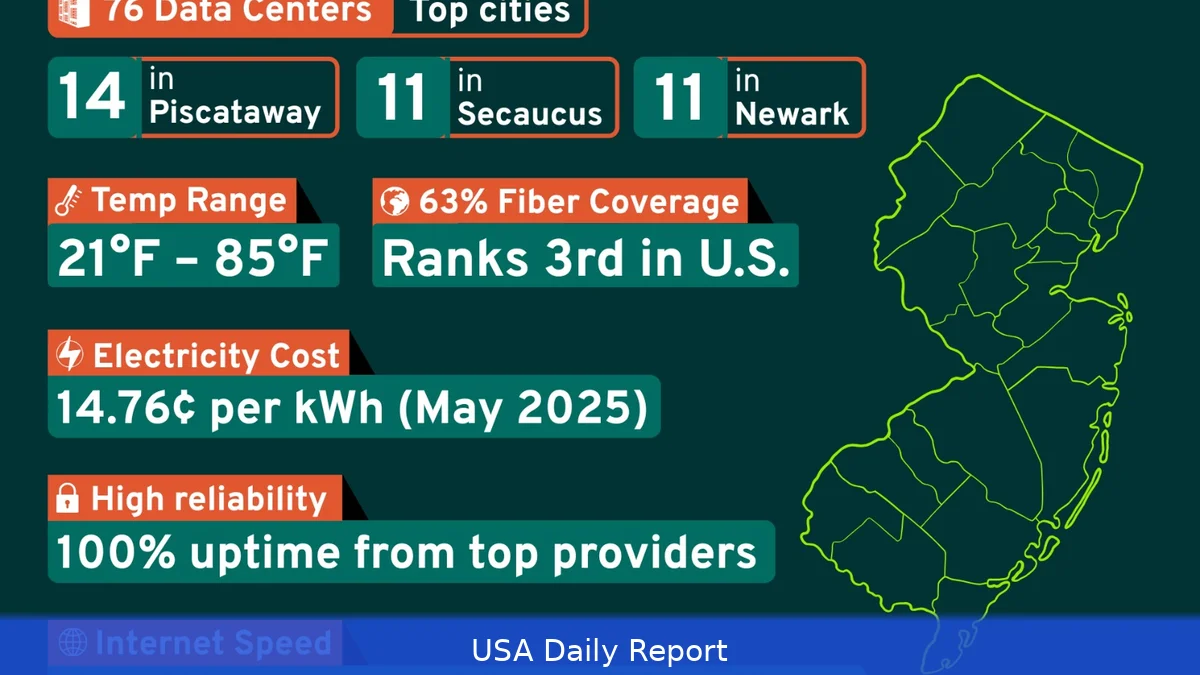
Data centers consume enormous amounts of electricity to power AI systems and store vast amounts of data. New Jersey currently hosts 68 such facilities, using roughly 5% of the state’s electricity. That figure will probably more than double as the AI boom accelerates. Each new data center adds pressure to an already strained grid, pushing costs higher for residential customers.
Balancing Economic Growth and Consumer Costs
Data centers bring jobs and tax revenue, which can boost local economies. That’s the upside for governors hoping to attract tech investment. But the downside is clear: the energy demands of these massive computing warehouses push utility bills up for everyday residents.
Policymakers are stuck trying to balance economic growth with the rising costs residents face.
President Donald Trump touched on the issue in his State of the Union address, insisting that companies building data centers should "pay their own way" to avoid burdening consumers with higher electricity costs. Governors in the region have also urged PJM for more transparency and reforms to address these surging energy demands.
Wider Implications of the AI Boom
New Jersey’s woes reflect a broader national challenge. As AI infrastructure grows rapidly, communities across the country face similar pushback against data center construction. Residents worry about soaring utility bills, water use, and environmental impacts. Politicians from both parties are hearing those concerns and calling for tech companies to shoulder a fair share of the costs.
The Trump administration pushed for fast AI growth with less regulation to keep the U.S. ahead in AI. This “build, baby, build” strategy accelerates data center construction but stokes fears about affordability and sustainability. More people outside tech circles are now debating AI as its costs hit their wallets.
New Jersey’s data center growth shows the kinds of challenges other states might soon face with AI. Rising energy bills, strained budgets, and housing cost pressures collide with the rapid growth of a technology sector hungry for power.
As New Jersey's data centers multiply, so do the electricity bills for residents, setting the stage for tough policy debates. Can Sherrill balance economic growth with her affordability promises? That question looms large as the AI boom shows no sign of slowing.


