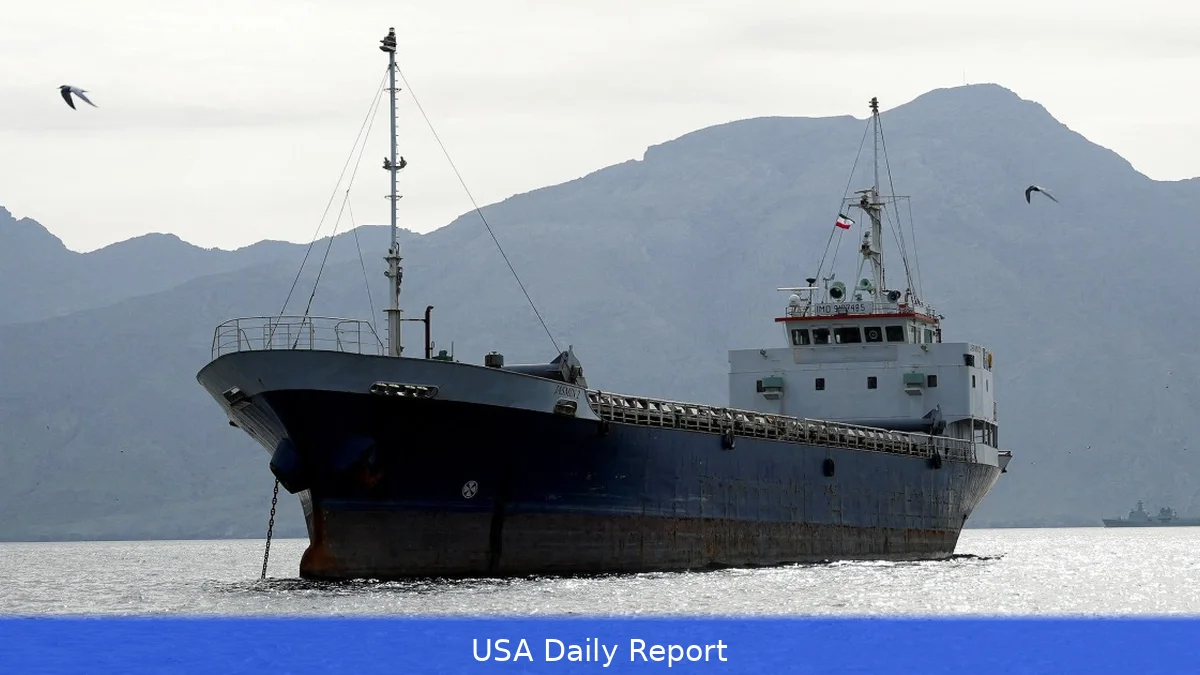
Brent crude jumped 8% to $104 on Sunday. President Donald Trump ordered a blockade of Iranian ports around the Strait of Hormuz. That announcement set off market pain and political pushback.
What Trump ordered — and why it matters
Look, the language was blunt. President Donald Trump posted that "The United States Navy, the Finest in the World, will begin the process of BLOCKADING any and all Ships trying to enter, or leave, the Strait of Hormuz," and warned that anyone who attacked US vessels would be "BLOWN TO HELL!"
That post and Mr. Trump’s later on-air comments to Fox News host Maria Bartiromo—where he described the move as "all in, all out"—were intended to squeeze Tehran by cutting off oil revenues and blocking any plan by Iran to charge for safe passage through the waterway.
But the message from the Pentagon was narrower and muddled. US Central Command said the blockade would be confined to vessels transiting Iranian ports and that it "will not impede freedom of navigation for vessels transiting the Strait of Hormuz to and from non-Iranian ports." Still, seafarers later received a separate military note saying enforcement might be limited to waters east of the strait, adding to confusion for owners and insurers.
Immediate market reaction
Oil markets reacted fast. Brent crude climbed about 8% to roughly $104 a barrel after the announcement.
Gasoline prices in the United States were already averaging more than $4 a gallon, and higher crude pushed inflation measures up: inflation rose to 3.3% in March from 2.4% in February.
Point is, consumers and businesses feel this quickly. Higher crude feeds directly into pump prices and shipping costs. That in turn raises costs for food, retail and almost every product that moves by sea.
How a blockade could work — and the risks
The military has released few operational details. Experts quoted by outlets tracking the story say a full-scale bombardment of tankers is unlikely because of the environmental and geopolitical risks. The likeliest tactics include interdiction, inspections, and escorting or turning back ships deemed to be calling at Iranian ports.
Those measures still carry heavy costs. Rerouting, longer transit times and higher insurance premiums would push freight rates up. Shipowners could delay voyages or change registries to avoid detention, adding more friction to already tight supply chains. And those added costs get passed along to consumers.
There's another direct aim: Tehran had floated charging as much as $2 million per ship for passage through the waterway in recent talks, a proposal world leaders rejected as an attack on freedom of navigation. Mr. Trump and his team say the blockade is designed to stop Iran from collecting those fees and to squeeze Tehran’s already battered oil revenue streams.
Allies push back
Thing is, the plan has provoked resistance among partners. Keir Starmer, British prime minister, said London wouldn't support the blockade and added that despite "considerable pressure," he wouldn't get "dragged into the war." Anthony Albanese, Australian prime minister, told reporters Canberra was not asked to participate. Margarita Robles, Spain’s defence minister, called a US blockade "makes no sense."
That split matters. A unilateral or narrowly backed blockade raises the risk of legal challenges, shipping detours and a longer disruption to Gulf exports. It also complicates any attempt to coordinate sanctions or maritime patrols with regional navies.
Who pays — and how much?
Consumers already picked up the tab before this crisis. Higher oil prices had helped push headline inflation up in recent months, and another jump in crude could push core prices higher, too. Companies that rely on global shipping would add surcharges, and airlines would see fuel costs rise further—costs that eventually show up in ticket fares and freight bills.
Insurers and banks will also reprice risk. Insurers could slap war-risk premiums on tankers operating in and near the Gulf, and lenders may demand higher rates or put tougher conditions on financing for vessels that touch Iranian waters. That squeezes margins for shipping companies and could tighten lending to already stressed traders.
Political stakes at home
Mr. Trump acknowledged the domestic political risk. In his Fox News interview he told Maria Bartiromo that gas prices could be "the same or maybe a little bit higher" by the midterm elections. That candid line shows he’s weighing the trade-off: trying to choke off Iranian income while accepting short-term pain for American voters.
Still, voters notice pump prices. Rising energy costs shorten the political runway for any administration, and lawmakers from both parties will feel pressure to react if prices spike further.
What markets will watch next
Traders will track a few hard numbers: how many vessels are actually turned back, whether Gulf allies offer naval support, and whether Iran retaliates against shipping or critical infrastructure. Each of those moves would trigger fresh waves of volatility.
And corporate treasurers will be on alert. Multinational firms that hedge fuel and shipping costs may see hedges break or require rebalancing. Smaller importers with little hedging will face immediate margin pressure.
Big picture
Rising oil costs, higher insurance and more circuitous shipping routes all add up to a real drag on growth. Economists watching the numbers will want to see how much of the price spike is temporary—driven by headline risk—and how much reflects a sustained loss of capacity from the Gulf.
Look, even if the blockade is targeted, its ripple effects are not. Supply chains are tightly linked; disruption in the Strait of Hormuz radiates outward across industries and borders.
Related Articles
- March CPI Forecast Hits 3.3% Annual Pace; Energy Shock from Iran War Could Send Inflation Above 4%
- Bessent Questions Climate Cause, Economic Cost
- Prosecutors Visit Fed Renovation Site Unannounced
US Central Command said the blockade would come into effect at 10 a.m. ET.


