
Taiwan is ramping up coal-fired electricity generation as the war in the Middle East chokes off liquefied natural gas (LNG) shipments and sends prices soaring. The shift marks a dramatic pivot away from cleaner fuels, exposing vulnerabilities in the island’s energy security and sparking concerns about environmental repercussions.
Middle East Conflict Sends LNG Prices Skyrocketing
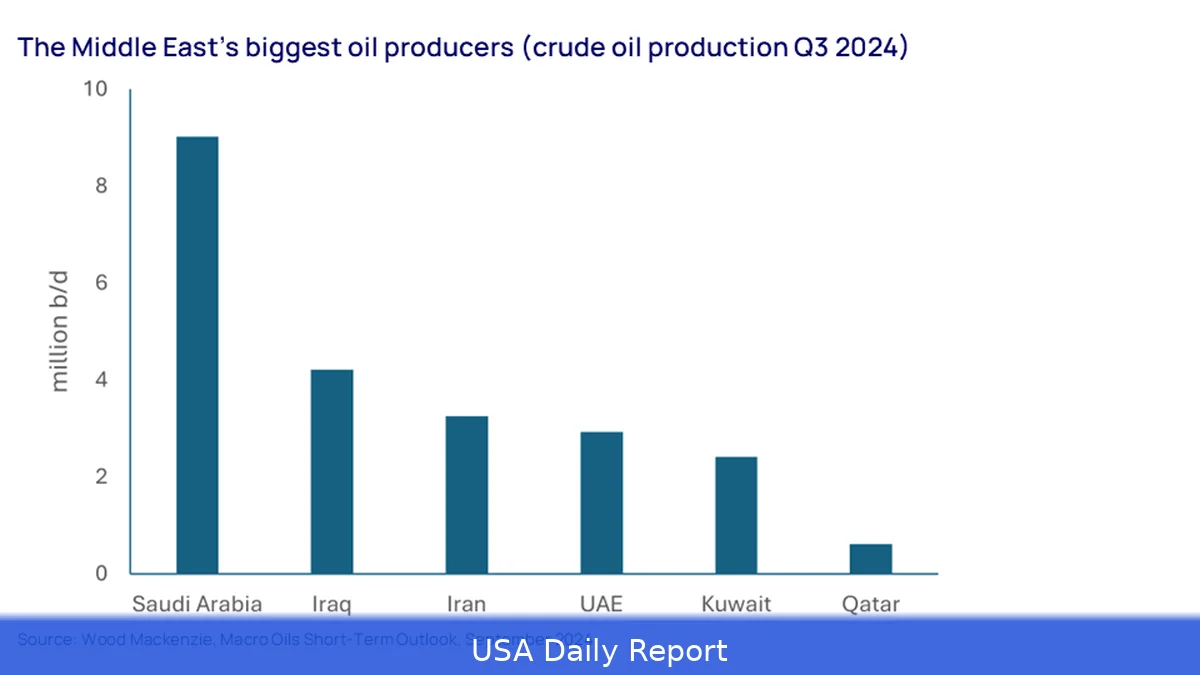
When the conflict involving Iran escalated in early 2026, it dealt a heavy blow to global energy markets. The Strait of Hormuz, a narrow but critical maritime route through which about 20% of the world’s oil and natural gas passes, has become largely inaccessible. Qatar, the world's second-largest LNG exporter, has halted shipments amid the turmoil. As a result, spot LNG prices across Asia have doubled to their highest levels in three years.
Asia, a major LNG consumer, finds itself in a precarious position. The region’s economies have grown increasingly reliant on natural gas imports to fuel power generation, industrial activity, and residential demand. But with the Middle East conflict blocking shipments and driving prices through the roof, countries are scrambling to secure alternative energy sources.
Coal Makes a Comeback in Taiwan and Across Asia
Taiwan, which imports nearly all its energy, is among the countries pivoting back to coal. Utilities are boosting coal-fired power plants to make up for the shortfall in LNG supply and to shield consumers from skyrocketing electricity costs. Coal-fired generation can be ramped up quickly and taps into Taiwan’s limited domestic coal reserves and imports from regional producers.
But Taiwan isn't alone. Across Asia, coal is staging a comeback. India has increased coal consumption to meet soaring summer electricity demand. South Korea has lifted limits on coal-fired power output. The Philippines, Vietnam, and Thailand have all increased their coal usage to preserve their dwindling LNG supplies.
Even Japan’s largest utility, JERA, plans to maintain high coal utilization rates while seeking alternatives.
The current crisis has pushed coal back into the spotlight. It’s the default fallback when cleaner options like LNG become too expensive or unavailable. The continent’s energy landscape is shifting, at least temporarily, back toward the dirtiest fossil fuel.
Environmental and Economic Trade-Offs
Burning more coal worsens air pollution and smog in big cities, which hurts people's health. It also threatens to slow progress on renewable energy adoption, as coal emissions contribute heavily to climate change. The region is now stuck with no good options: meet immediate energy needs or maintain long-term environmental goals.

Energy experts warn that coal is only a short-term patch. Julia Skorupska from the Powering Past Coal Alliance calls the shift a stark warning sign.
“Relying more on coal today means exposing yourself to future shocks tomorrow,” she said. The increase in coal use could amplify climate change effects, which in turn might cause more frequent droughts and disrupt hydropower, creating a vicious cycle.
Economically, the coal pivot is a mixed bag. While coal-fired plants help keep power affordable and reliable for now, the volatility and high prices of LNG threaten to undermine economies, especially in poorer countries. Bangladesh’s Summit Group chairman Aziz Khan highlighted the challenge: passing on higher energy costs to consumers is tough and risks breaking the economic backbone of vulnerable populations.
Supply Chain Shifts and Strategic Lessons
With LNG shipments halted, countries like Pakistan are focusing more on domestic power sources, including coal and solar. Pakistan’s Power Minister Awais Leghari noted that coal plants can ramp up during off-peak hours to compensate for LNG shortages. This flexibility is helping avoid blackouts seen in past energy crises.
That said, asian nations are also reshuffling their energy priorities. Indonesia is prioritizing domestic coal use, while India is balancing coal stockpiles to ensure industrial sectors like fertilizer production keep running. The shift highlights the importance of energy diversity. Michelle Manook from FutureCoal emphasized that relying on a single fuel pathway, namely LNG, leaves countries vulnerable when crises hit.
Europe feels the ripple effects too. Countries like Germany and Poland, which still maintain coal infrastructure, are also leaning back on coal as gas tightens. Britain, however, has little room to maneuver since it shut down its last coal plants in 2024. The UK now toggles mainly between renewables and gas, with debates focusing on exploiting North Sea oil and gas reserves.
What the Future Holds for Asia’s Energy Mix
Natural gas was once hailed as the cleaner transition fuel—more efficient than coal and with lower carbon emissions. Over the last two decades, Asian demand for gas doubled while coal consumption started to level off. Investments flowed into LNG infrastructure and renewable sources. But the current crisis has thrown a wrench into that trajectory.
Analysts at Wood Mackenzie have slashed their forecast for Asian LNG imports in 2026, expecting demand to fall by more than half. The war-driven supply disruptions will likely cause price volatility and dampen LNG demand for months, if not years. That will prolong coal’s role in the energy mix, at least for now.
Still, renewables remain the long-term answer. Countries are accelerating solar and wind projects to reduce dependency on volatile fossil fuels. But building enough renewable capacity takes time and money. Meanwhile, coal plants are the only ready backup to keep the lights on.
This energy crisis shows how geopolitics can shake up global supply chains and force tough decisions. Taiwan’s coal pivot is emblematic of a broader regional scramble to balance energy security, economic stability, and environmental responsibility amid an unpredictable global landscape.
Related Articles
- Fed signals patience, projects one cut in 2026
- UAE Leaves OPEC — Saudi Arabia Picks Up the Slack
- Three risks that could push the Fed to pause
As Taiwan and other Asian countries lean more heavily on coal, the region faces a critical juncture: endure short-term environmental setbacks or risk prolonged energy shortages amid ongoing geopolitical strife.
This article was created with AI assistance.


