Investors usually turn to the Federal Reserve when Wall Street takes a dive. But Chicago Fed President Austan Goolsbee is making it clear: the Fed’s job isn’t to soothe the stock market or cater to political leaders. Instead, its focus remains on inflation and employment — nothing else.
Fed’s Mandate: More Than Just Market Cheerleading
Austan Goolsbee, president of the Federal Reserve Bank of Chicago, recently told the New York Times that the Fed’s role is often misunderstood. “There’s nothing in the Fed’s mandate that’s about making sure the stock market is comfortable,” he said bluntly. The Fed’s official job is to stabilize prices and maximize employment — the so-called dual mandate. That’s it.
Yet investors keep hoping that the Fed will step in to rescue the market whenever it dips. The past couple of days have seen wild swings: a sharp selloff sparked by troubling unemployment data, followed by a modest bounce. The market’s rollercoaster ride reflects deep unease about the economy’s direction.
Wall Street’s frustrations are clear. Borrowing costs have stayed elevated for months, pinching consumers and businesses alike. Brokers and investors have been clamoring for the Fed to cut rates, hoping it will spur growth and calm volatility. But Goolsbee says that pressure misses the bigger picture.
Political Pressure and Fed Independence
Goolsbee also addressed the political noise surrounding the Fed’s decisions. Former President Donald Trump famously took credit for stock market highs and blamed the recent downturn on the Biden administration, coining the term “Kamala Krash” to criticize Vice President Harris.
Meanwhile, President Joe Biden chose not to respond directly to the market turmoil, focusing instead on student loan forgiveness and Pell Grant expansions.
But Goolsbee warned against letting political agendas shape monetary policy. The Federal Reserve Act sets clear boundaries: the Fed must focus on inflation and employment, not on making the president or the market happy. “If we’re moving to an environment in which an administration can order the central bank to cut rates, regardless of economic conditions or inflation, that ends in tears,” he said.
Few in Washington seem ready to take that warning seriously. The Fed’s independence has faced rare challenges, with politicians publicly criticizing its moves and trying to influence its decisions. Still, Goolsbee remains optimistic that the Fed’s thoughtful deliberations will hold steady.
The Fed’s Deliberative Process and Economic Realities
At the Fed, they take their decisions seriously. Goolsbee described the Federal Open Market Committee (FOMC) as “the world’s greatest deliberative body,” where diverse backgrounds and data-driven research shape policy. He joked about not being a “hawk” or a “dove,” but just a “data dog” sniffing out every economic clue.
Recent data — especially the disappointing jobs report showing only 114,000 new payrolls versus an expected 175,000 — has fueled market jitters and calls for emergency rate cuts. Some economists, like Wharton’s Jeremy Siegel, have urged the Fed to slash rates aggressively to stabilize markets and ease recession fears.
Thing is, yet Goolsbee cautioned against overreacting to a single month’s data. He admitted the report was “negative” but said one off month doesn’t dictate Fed policy. The central bank remains vigilant, ready to act if the economy truly weakens, but won’t sacrifice its long-term goals to calm short-term market volatility.
What Happens Next?
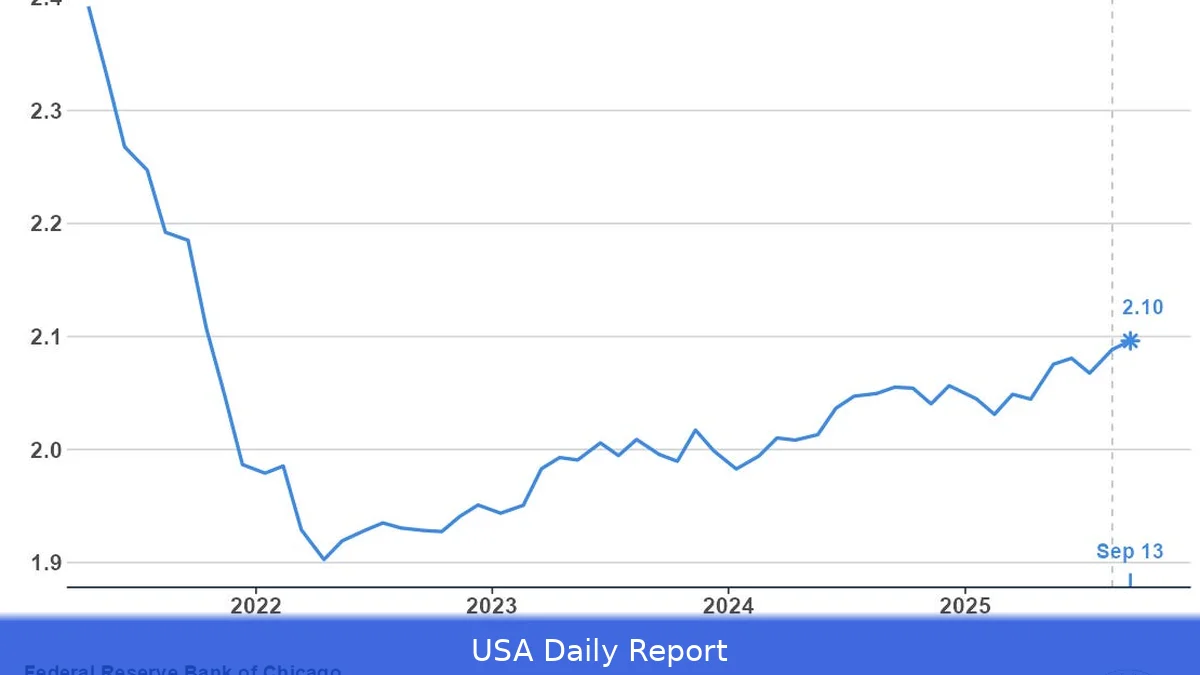
Right now, the Fed is balancing a tricky act. Inflation has been stubbornly above the 2% target for nearly five years, squeezing household budgets and businesses. Meanwhile, the risk of a recession looms large, with bond yields plunging and stock markets in turmoil.
Goolsbee’s message: The Fed’s job is to monitor the “real side” of the economy. That means jobs, prices, consumer spending — not stock prices or political expectations. If the economy deteriorates, the Fed will step in. If it doesn’t, the market might have to weather some rough patches.
Investors looking for a quick rate cut to boost stocks might have to wait. The Fed won’t bend to market whims or political pressure. It’s focused on what Congress told it to do — keep inflation in check and help Americans find and keep jobs.
Goolsbee’s message reminds us that the Fed’s choices focus on the economy, not market moods or politics. They’re about steadying the economy’s foundation — even when that means tough choices that rattle markets and frustrate politicians.


