
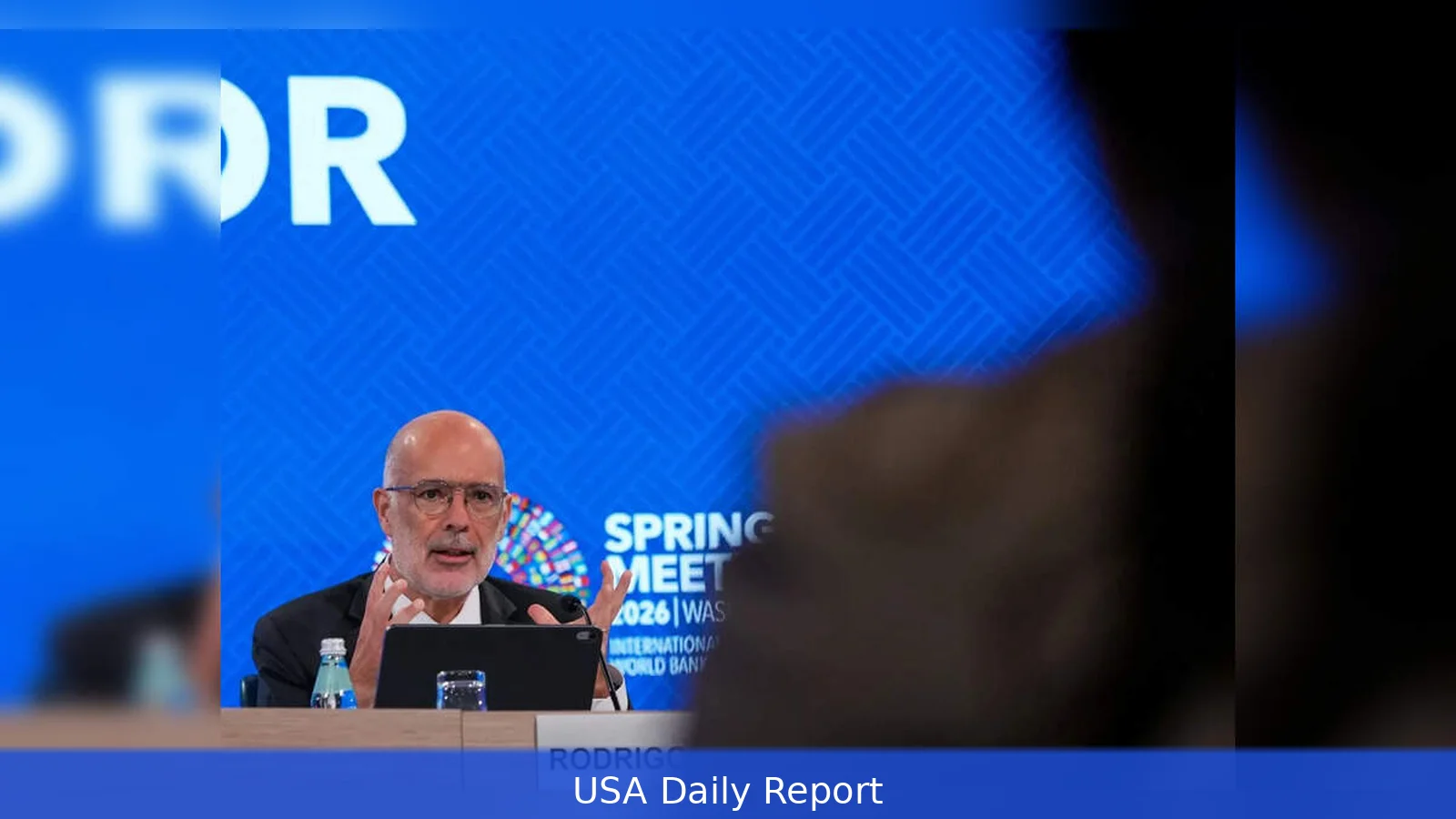
IMF warns against broad fuel subsidies. It urges targeted cash help instead.
Why the IMF is sounding the alarm
The IMF is warning governments against broad fuel subsidies because they mute the price signal from higher energy costs and, over time, tend to do more harm than good. Rodrigo Valdes, the IMF's fiscal affairs chief, said broad subsidies mask true prices and discourage the demand adjustments that would ease a global supply squeeze.
"We don't have oil. We don't have energy. Energy needs to be more expensive for everybody, so that the adjustment happens and we consume less," Rodrigo Valdes, IMF fiscal affairs chief, told reporters in an interview.
And this warning comes as energy markets remain volatile after the major conflict erupted in the Middle East. The IMF said the shock to oil supplies and prices has already shaved growth prospects and could push the global economy toward recession if oil stays above $100 per barrel through 2027.
Short-term politics, long-term problems
Politicians often choose fuel subsidies because they produce an immediate fall in pump prices that voters notice quickly. But the IMF's Fiscal Monitor argues that such moves blunt the market signal that would otherwise cut demand and encourage supply responses.
Broad subsidies, the fund says, keep global prices higher than they would be and raise the fiscal burden on already strained treasuries.
"You can pass through (higher energy prices) and then you can do other things to help," Rodrigo Valdes said. "It's a global shock and if countries suppress the price signal, the global price will be higher ... It's very important to give price signals so demand can adjust."
But permanent or badly targeted subsidies quickly become fiscal traps. The IMF's report notes public debt rose to 93.9% of global GDP in 2025 and warned that government debt could hit 100% of GDP by 2029, earlier than previously projected. Interest costs have climbed too, the fund said, reaching nearly 3% of GDP in 2025 compared with about 2% four years earlier.
Alternatives the IMF prefers
Instead of blanket fuel subsidies, the IMF recommends short-term cash transfers targeted at the poorest households and other vulnerable groups. Those transfers preserve incentives to conserve energy while helping people cope with sharply higher prices.
The fund also highlights the importance of temporary measures that don't become permanent entitlements. That matters because Valdes warned about the risk of expanded permanent spending or falling revenues that would push up debt ratios over time. Policymakers, he said, should resist allowing emergency measures to harden into long-term fiscal expansion.

Monetary policy tension
At the same time, IMF Managing Director Kristalina Georgieva has urged central banks to be cautious about easing monetary policy prematurely. "Where necessary, policymakers must resist calls for early interest rate cuts," Georgieva said at the World Economic Forum, adding that premature easing could produce new inflation surprises that would force central banks back into tightening later.
That matters: higher energy costs push up inflation, and central banks watch those moves closely. If price pressures persist, the IMF's view suggests central banks should keep policy tighter for longer, even as growth weakens.
What it means for the United States
The IMF's analysis has clear implications for the U.S. Economy and policymakers in Washington. Higher oil prices translate directly into higher gasoline and diesel costs for American consumers and businesses. That can add to headline inflation and make the Federal Reserve's decisions on interest rates.
Federal Reserve officials have already faced a balancing act: tame inflation without tipping the economy into recession. Kristalina Georgieva's call for caution on rate cuts echoes that dilemma. If the conflict keeps oil prices elevated, the Fed could be forced to keep rates higher for longer, raising borrowing costs for households and the federal government.
Higher interest costs matter in budget terms. The IMF noted that global interest payments rose to nearly 3% of GDP in 2025. In the United States, rising rates mean the Treasury pays more to roll over and issue debt. That squeezes room for discretionary spending and increases the pressure to choose which programs to prioritize.
Washington faces a clear choice: give targeted help that preserves price signals or hand out broad subsidies that ease pain now but add big fiscal costs; the IMF recommends the targeted approach.
Regional and geopolitical knock-on effects
Energy shocks also change the calculus for other economies, which in turn affects the U.S. The IMF said the extent of export controls, damage to energy infrastructure and spare production capacity elsewhere will shape how long elevated prices last. If other producers can ramp up output, the shock eases. If they can't, the strain could be prolonged.
That uncertainty makes fiscal policy coordination and careful monetary decision-making more important. Countries that respond with temporary, targeted support can shield the most vulnerable without locking themselves into large, permanent subsidies that raise debt over time.
Debt markets and investor behavior
The IMF also warned about changes in debt markets, noting a shift toward investors such as hedge funds that it described as "less firm hands" for holding debt long term. Rodrigo Valdes raised concerns that declining debt duration means short-term rates pass through to governments more quickly, accelerating debt dynamics when rates rise.
For the United States, whose Treasury market is the backbone of global finance, those shifts matter. Higher global risk premia and shorter investor horizons can amplify borrowing costs, and that could translate into a higher yield environment for U.S. Treasuries as well.
Practical steps for policymakers
The IMF's near-term prescription is straightforward. First, avoid broad fuel subsidies that keep prices artificially low and prolong the shock. Second, use targeted, temporary cash transfers to protect vulnerable households. Third, keep an eye on fiscal permanence—don't transform emergency measures into lasting spending increases.
And central banks should weigh the trade-offs carefully. As Kristalina Georgieva put it, premature rate cuts risk stoking renewed inflation and forcing a harder response later. That advice carries weight for the Federal Reserve as it judges data on inflation, wages and growth in a volatile energy environment.
The IMF's message is a cautionary one: quick political fixes can leave bigger bills later. The fund is urging governments to balance immediate relief with measures that preserve incentives for demand adjustment and keep long-term public debt under control.
Related Articles
- Magyar urges quick handover amid Hungary veto standoff
- Geelong refinery fire threatens Australia’s petrol supplies
Global government debt hit 93.9% of GDP in 2025, the IMF's Fiscal Monitor said.
This article was created with AI assistance.


