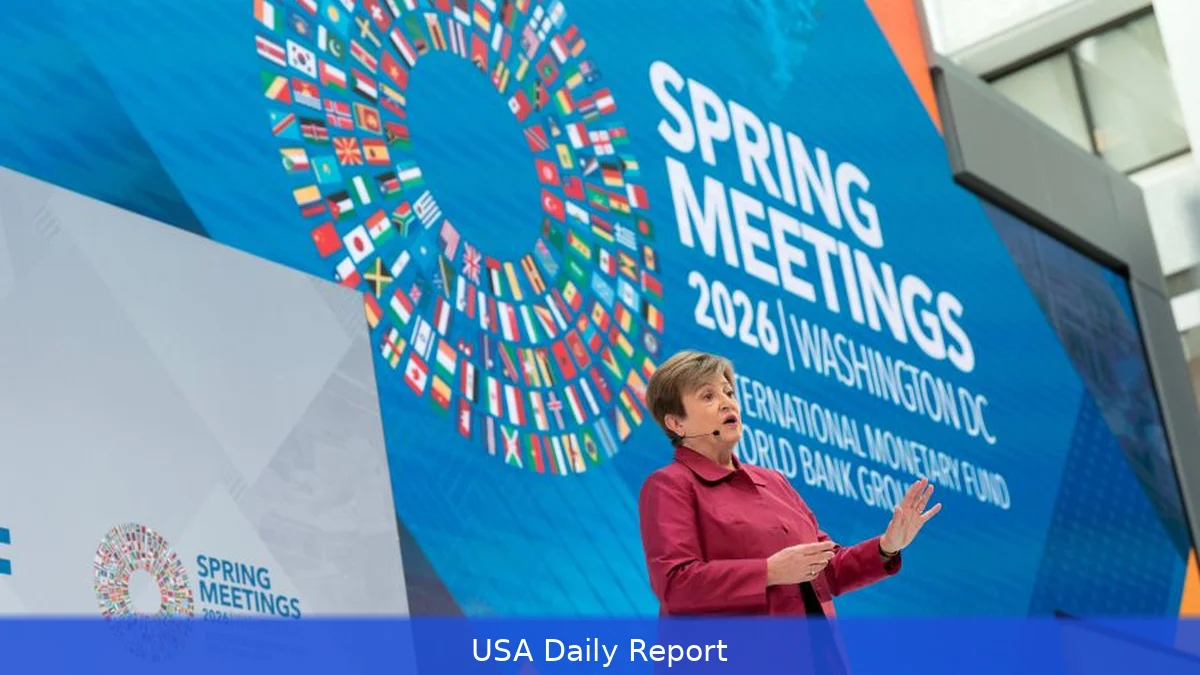
Oil prices surged recently amid escalating tensions in Iran, pushing U.S. Gasoline prices above $3.60 a gallon. The International Monetary Fund now cautions that the conflict could drag down global growth, tightening an already fragile economic recovery.
Oil Shock Hits Consumers Hard
Gas prices in the U.S. Jumped sharply in March, with the average hitting $3.60 per gallon, up from $2.94 just a month earlier. The main driver? Rising crude oil costs linked to the ongoing conflict in Iran. This sudden spike is what economists call an oil shock, and it comes with serious consequences.
University of California economist James Hamilton coined a term for this kind of event — the "Hamilton trigger" — which occurs when oil prices hit their highest level in three years, signaling the start of a big economic drag. According to Neil Duda of Renaissance Macro, this trigger is now active, meaning consumers and businesses could soon feel the squeeze in a big way.
Higher fuel costs don’t just hurt people at the pump. They ripple through the economy by raising transportation and production expenses, which then push up prices for groceries, goods, and services. That hurts household budgets, especially for middle- and lower-income earners who were already struggling.
Middle Class Feels the Pinch
Look, the U.S. Economy isn’t growing evenly. Some experts say we’re in what’s called an "E-shaped" economy. The top 20% of earners continue to spend heavily, accounting for nearly 60% of all consumer spending.
Meanwhile, middle-income households are barely treading water and increasingly hunting for bargains at retailers like Costco and Walmart.
Basically, heather Long, chief economist at Navy Federal Credit Union, calls this the "Costco economy." Middle earners aren’t seeing the same income growth they did before, and inflation eats up much of what they make. On the other side, lower-income Americans are relying more on credit cards and buy now, pay later services just to cover essentials like groceries. LendingTree reports that a quarter of these loans are used for food purchases, up from 14% the year before.
Look, personal savings rates have also dropped sharply. In December, the U.S. Personal savings rate hit 3.6%, the lowest since 2008. That means consumers have less cushion to absorb price shocks, making the impact of rising gas prices even worse.
IMF’s Global Growth Warning
The IMF has expressed serious concerns. The organization recently warned that the Iran conflict could pull down global economic growth. They warn that rising energy prices and geopolitical risks are hurting countries that rely heavily on oil imports.
Higher oil prices increase costs for businesses worldwide, squeeze household incomes, and can trigger inflationary spirals. For the U.S., that means the Federal Reserve might face even more pressure to manage inflation without choking off growth.
Emerging markets, many of which rely on oil imports, are particularly vulnerable. Higher fuel bills can worsen trade balances and fiscal deficits, forcing governments to tighten budgets or seek external support.
Political and Economic Implications
What does this mean for U.S. policy? The government faces a tricky balancing act. On one hand, rising energy prices hurt consumers and risk slowing economic expansion. On the other, the U.S. Must navigate complex geopolitics in the Middle East, where any escalation could cause further supply disruptions.
Energy security becomes a bigger priority. There’s likely to be increased debate over domestic oil production, strategic reserves, and investment in alternative energy sources. At the same time, inflation pressures will weigh on Federal Reserve decisions about interest rates.
For businesses, rising costs may translate into higher prices for consumers or squeezed profit margins. Many companies are already adjusting supply chains and pricing strategies to cope with inflation and uncertainty.
Consumers, especially those in the middle and lower income brackets, face tough choices. With wages stagnating and debt levels rising, many households may cut back on discretionary spending, which could slow recovery in key sectors like retail and services.
Looking Ahead
If the Iran conflict worsens or continues, oil prices might stay high or climb even more. That would deepen the economic strain globally and in the U.S.
Policymakers around the world are paying close attention. The IMF warns we should get ready for slower growth, more inflation, and greater market swings. How governments and central banks respond could shape the economy for years to come.
Related Articles
- Stocks and Bonds Slide as Oil Surges Amid Rising Middle East Tensions
- Oil Prices Climb Amid Tentative Progress in Middle East Peace Talks
- Bank of America Flags Risks for Oil Stocks Despite Iran Ceasefire
As the Iran conflict unfolds, its economic fallout is already hitting U.S. Consumers and businesses. With gas prices spiking and growth forecasts dimming, the global economy faces a period of uncertainty that demands close attention.


