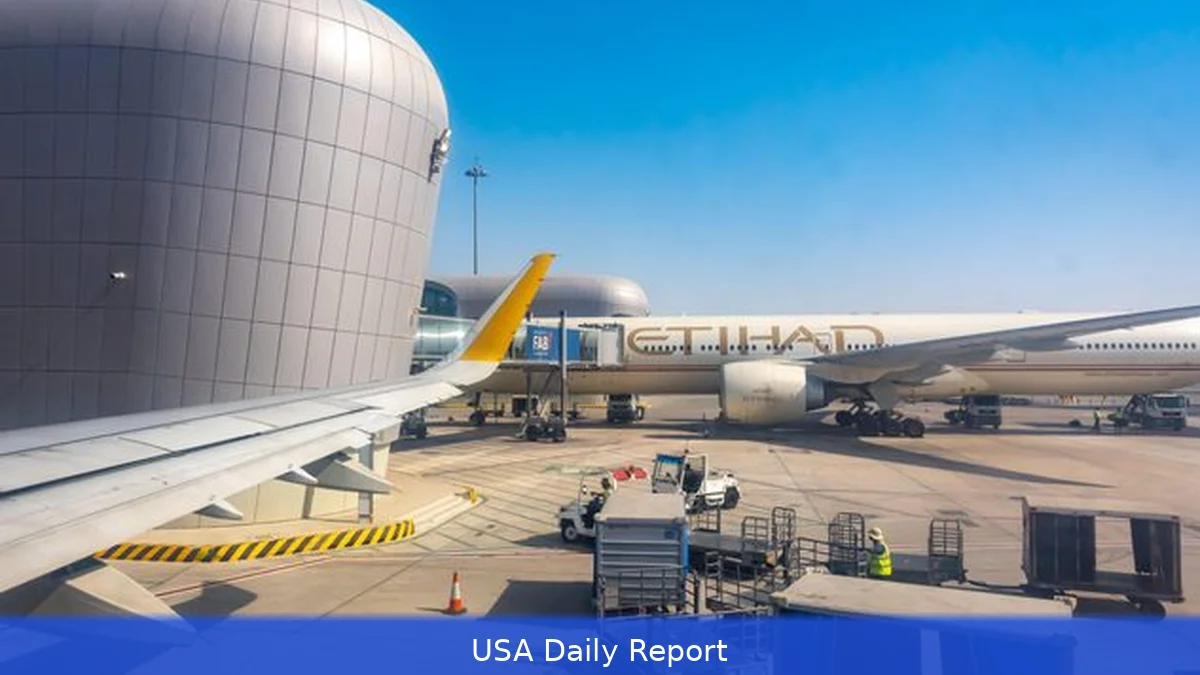
Etihad Airways recently slashed ticket prices by half, trying to boost demand as travel slows down because of the conflict in the Middle East. While other airlines are adding fuel surcharges, Etihad’s big price cut shows the tough balancing act airlines face between high fuel costs and fewer travelers.
Fuel Costs Surge, But Demand Drops
After weeks of escalating tensions following military actions involving the U.S. And Israel against Iran, jet fuel prices have skyrocketed, pushing airlines to wrestle with soaring operating expenses. Fuel prices have jumped so much that airlines like Cathay Pacific and Air France-KLM have added surcharges up to $150 per flight segment.
Yet Etihad’s decision to slash fares sharply bucks this trend. The Abu Dhabi-based carrier faces a collapsing market as travelers pull back amid geopolitical instability and rising travel costs. While many airlines have passed fuel surcharges directly to customers, Etihad appears to be betting on lower prices to stimulate demand rather than absorb those costs.
Airlines Under Pressure
Clint Henderson, managing editor at travel website The Points Guy, calls the current airfare hikes “obscene” compared to typical rates. He recently tried booking a basic economy ticket from the Bay Area to Kansas City and found prices above $1,500, about three times the expected range. The jump isn’t limited to one route. Routes between major hubs like New York and San Francisco or to vacation spots like Hawaii are also seeing rapid price increases.
Many carriers have abandoned fuel hedging strategies—a risk management practice that locks in fuel prices—leaving them exposed to market volatility. Instead, they now often purchase fuel contracts tied to fluctuating spot prices, making surcharges more volatile and reactive.
Cost-Cutting Measures Beyond Fares
Some airlines are trying to reduce costs without hitting passengers directly. Scandinavian Airlines (SAS), for example, has pulled some flights and consolidated routes where alternatives exist. Others have grounded older, less fuel-efficient aircraft or cut employee hours.
Still, these internal measures only go so far when fuel prices surge sharply.
The quick fix often ends up being higher ticket prices. Even so, with travel demand weakening due to political unrest and economic concerns, airlines face a dilemma: raise fares and risk losing customers or cut prices and suffer thinner margins.
What Etihad’s Move Means
Etihad’s 50% fare reduction signals a very different approach.
It looks like Etihad is focusing on filling seats now, even if it means making less money per ticket. It’s a risky play, especially with fuel expenses climbing, but it may reflect a broader trend where carriers adjust strategies to survive a volatile market.
The airline business has always dealt with tight margins and changing costs. But the current mix of geopolitical conflict and economic uncertainty is stirring a perfect storm. Since some airlines are raising prices while others cut fares, travelers are seeing a pretty unpredictable market.
As the conflict drags on and fuel prices stay elevated, the industry’s balancing act between costs and demand will remain fragile. Etihad’s bold cut may be a sign of more turbulence ahead for airlines worldwide.


