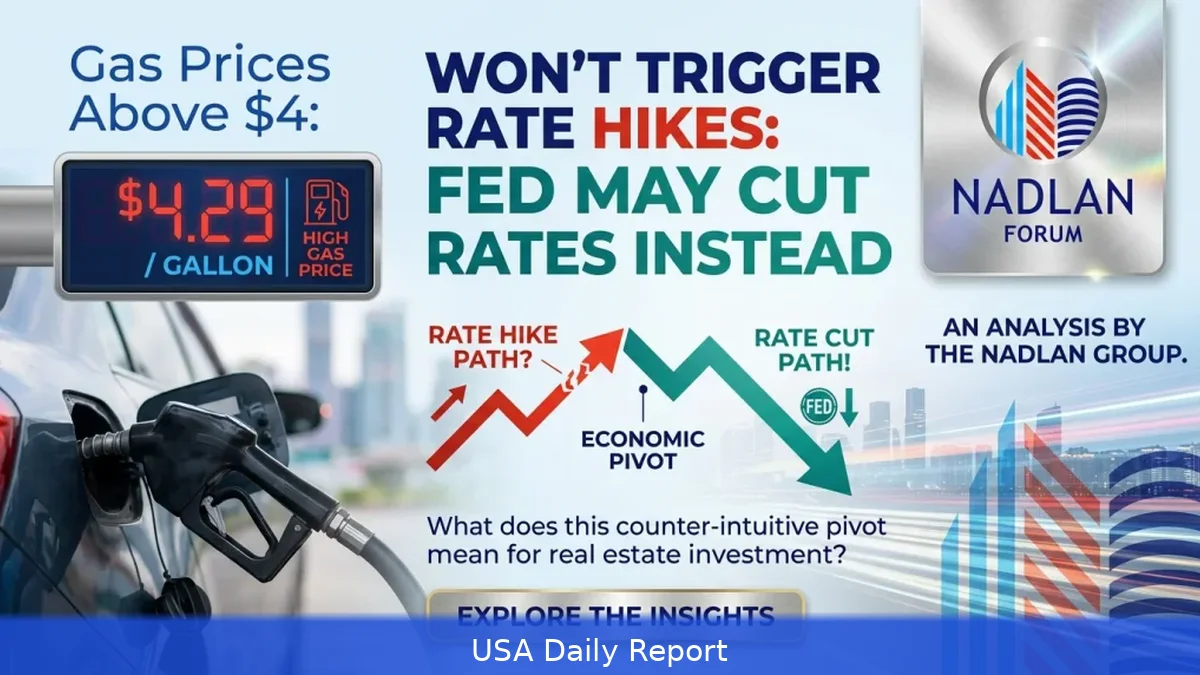
Gas prices in the U.S. Have shot past $4 a gallon again, stirring fresh fears about inflation. One key Federal Reserve official says the central bank might need to raise interest rates to keep prices in check.
Gas Prices Spike Amid Global Tensions
Last week, the average price of gasoline across the U.S. Climbed above $4 per gallon, a level not seen since 2022. Drivers are feeling the pinch as prices swing wildly from day to day, leaving many scrambling for the best deals at the pump. The surge is largely tied to factors beyond the control of local gas stations—chiefly, global oil markets disrupted by escalating tensions in the Middle East.
Oil prices jumped sharply after a high-profile speech from former President Donald Trump, who promised a tough stance on Iran. The conflict has rattled shipping lanes and raised fears of supply disruptions, sending crude prices higher. Retailers, in turn, have had to raise their prices, sometimes multiple times within a single day, just to keep pace with rising wholesale costs.
Lonnie McQuirter, who runs a small convenience store in Minneapolis, explains that the wholesale fuel price is the main driver behind his recent price hikes. Yet, his margins are razor-thin, squeezed by higher credit card fees and maintenance costs. “We’re in our stores every day looking our customers in the eye,” he said. “It really takes a toll when people have to cut back just to afford to live.”
Breaking Down the Price at the Pump
The average price drivers pay isn’t just about crude oil costs. Roughly half of the cost goes to buying crude, the main ingredient in gasoline. About 20% pays refiners who turn that crude into usable fuel. Taxes—federal, state, and local—make up nearly 20% of the cost.
That leaves about 10% for retailers to cover their business expenses like transportation, labor, and maintaining equipment.
According to industry data, retailers’ markup has averaged about 38 cents per gallon over the last five years. But with crude prices rising fast due to geopolitical risks, gas stations have little choice but to pass those costs on to consumers. It’s a cycle that’s frustrating for drivers and small business owners alike.
Meanwhile, the unpredictable nature of these price swings makes it tough for consumers to plan. People spend time hunting for the lowest prices, sometimes traveling extra miles just to save a few cents per gallon. That kind of uncertainty also shakes consumer confidence and spending habits.
Fed Official Weighs in on Inflation and Interest Rates
Amid this backdrop, a major Federal Reserve official recently signaled that the central bank might consider raising interest rates again. The official pointed to rising gas prices as a key factor fueling inflation concerns. When energy prices climb, it often sets off a broader chain reaction, pushing up costs across the economy.
Higher interest rates are a tool the Fed uses to cool down inflation by making borrowing more expensive. That usually slows spending and investment, which can ease pressure on prices. But rate hikes can also slow economic growth and raise costs for consumers and businesses, so the Fed has to tread carefully.
The Fed has to carefully balance its decisions. If inflation keeps climbing because of energy and other costs, they may have to act. But if they push rates too high, it risks tipping the economy into recession. Right now, officials are closely watching how these price surges play out and what it means for inflation trends.
What This Means for Consumers and the Economy
The prospect of higher rates adds another layer of stress for consumers already squeezed by expensive gas. Costlier borrowing can hit everything from mortgages to car loans, making big purchases harder to afford. At the same time, businesses face higher financing costs, potentially leading to slower hiring or investment.
Some analysts say the Fed’s talk of more rate hikes shows it’s serious about fighting inflation. They say that keeping prices stable is key to long-term economic health, even if it means short-term pain for households and businesses.
Gas prices have always been volatile because global events can shake things up. But when those swings come alongside inflation worries, it makes the Fed’s job of steering the economy. The question now is how much further rates might rise and how that will affect growth in the months ahead.
For drivers, the immediate challenge remains navigating these dizzying price changes at the pump. For policymakers, it’s a test of their ability to keep inflation in check without derailing the recovery. We’ll likely see more changes as global events and economic data develop.
With gasoline prices climbing and inflation concerns mounting, the Federal Reserve faces tough choices about interest rates. The coming weeks will show how much pressure the economy can handle before the Fed acts — and how consumers will cope with the fallout.


