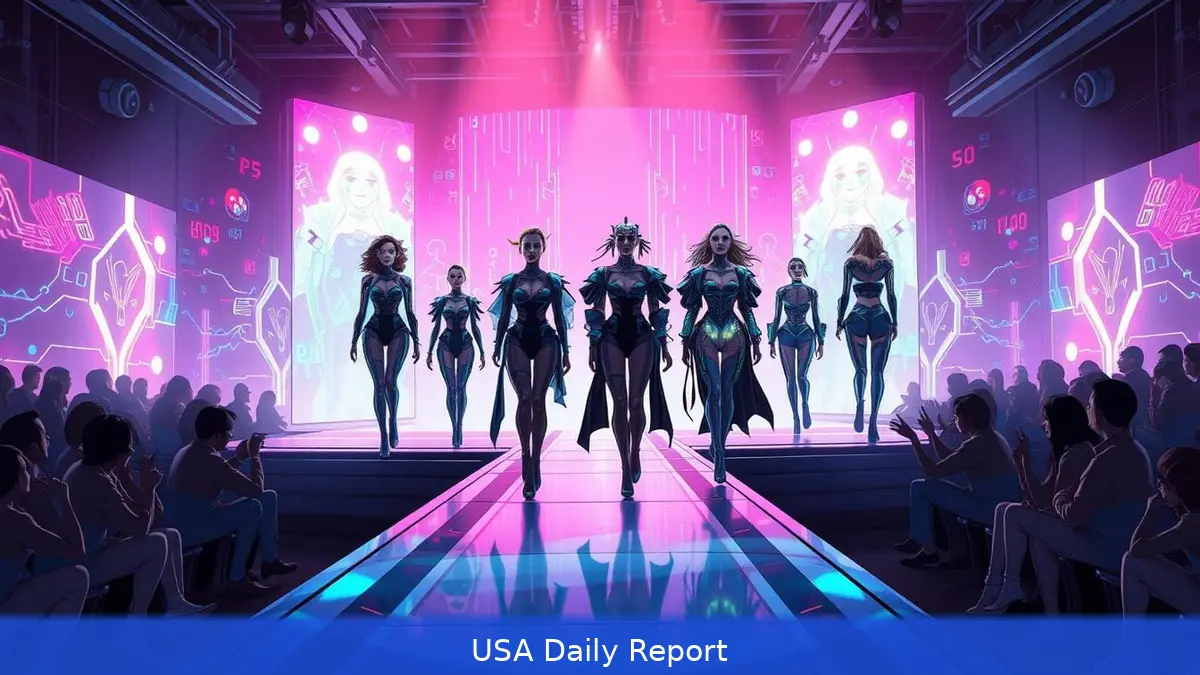
Knights in shining armor are back—sort of. But not in the way you’d expect. The worlds of fashion and technology, once tightly intertwined, are now seeing a fascinating remix with medieval aesthetics making a bold return. So, what's behind this surprising comeback, and how does it fit with our tech-heavy world today?
The Medieval Resurgence: More Than Just Nostalgia
Last September, the MTV Video Music Awards delivered a spectacle that caught many off guard. Chappell Roan took the stage clad in plate and chain armor, surrounded by dancers dressed as knights brandishing swords. Her fiery performance of “Good Luck, Babe” wasn’t just a show—it was a statement. It tapped into a growing trend of ‘camp medievalism,’ blending drama, adventure, and a dash of rebellion.
Roan’s armor wasn’t a one-off. Taylor Swift and Natalie Portman also embraced medieval-inspired looks around the same time, both donning pieces from Dior's 2025 cruise collection featuring chain mail elements. Swift’s tartan dress nodded to a romanticized Scottish past, while Portman sported a distinct chain-mail outfit at a high-profile film festival. Three high-profile stars channeling medieval styles in one month? That’s not coincidence—it’s a trend.
Fashion experts and historians alike see this as more than a passing phase. It’s a cultural moment bubbling up from the internet’s depths and gaining momentum since 2023.
The medieval look isn’t about getting history right; it’s more about symbols like wealth, power, and pushing back against the flashy, tech-filled culture we see everywhere.
The Middle Ages have long inspired new cultural ideas. But what’s new is how this renaissance is challenging the tech-obsessed, often masculine, image of power. Instead of sleek gadgets and digital dominance, the medieval aesthetic offers armor, castles, and a sense of mystery.
High Society’s Medieval Parties and the Tech Contrast
And it’s not only celebrities who are embracing this style. In the UK, lavish medieval-themed parties have become a craze among the elite. Guests don mismatched Viking, Celtic, and Robin Hood costumes, often piling on historically inaccurate chain mail for flair. These events feature gourmet feasts and sprawling estates, channeling old-world grandeur in a way that feels both anachronistic and deliberate.
The twist is that these medieval parties happen right in the middle of our tech-heavy world. Smartphones, social media, and streaming define much of modern life, yet these parties encourage guests to set aside their devices and get lost in a fantasy world. It’s a rebellion against the constant connectivity and digital noise.
The New York Times pointed out this shift last December, predicting that by 2025, people might trade their screens for swords—figuratively speaking. They highlighted how this medieval mood isn’t about demureness but readiness for battle, even if that battle is metaphorical.
What does this mean for fashion and tech? It’s a tricky relationship. The medieval trend critiques the tech world’s shiny, male-dominated power image, offering instead a different kind of strength—one rooted in history, storytelling, and spectacle.
Fashion-Tech’s Past and Future: A Love-Hate Story
Fashion and technology haven’t always been at odds. In fact, they’ve had a long, intertwined history. From the invention of the sewing machine to today’s wearable tech and digital fashion shows, tech innovations have transformed how we create and consume style.
Still, this medieval comeback shows people want to take a break from screens and gadgets, even if only briefly. It’s a reminder that fashion isn’t just about cutting-edge materials or algorithms—it’s about identity, culture, and sometimes, escapism.
Interestingly, the medieval trend also points to a broader cultural tension. As tech giants continue to dominate with AI, virtual reality, and data-driven fashion, there’s a growing appetite for authenticity and tactile experiences. Chain mail and castles, though historically inaccurate in party form, offer a tangible contrast to virtual avatars and digital wardrobes.
But tech isn’t leaving fashion behind; it’s changing and growing. Designers are experimenting with smart fabrics, 3D printing, and augmented reality. The medieval look might seem like a throwback, but it could also inspire innovative fusions—imagine armor embedded with sensors or virtual medieval environments enhancing fashion shows.
What’s Next? The Medieval-Tech Hybrid
The big question is, where will this mix of fashion and tech head next? Will the medieval trend fade into a quirky footnote, or could it spark new forms of expression that blend history and innovation?
Some designers are already exploring this middle ground. By combining medieval motifs with futuristic tech fabrics, they’re creating collections that feel both old and new. It’s like armor for the digital age—protective, bold, and full of stories.
Also, tech can boost the medieval feel in surprising ways. Imagine virtual reality experiences that transport wearers to castles or tournaments, or AI-driven designs that adapt chain mail patterns dynamically. The possibilities are vast and exciting.
The medieval trend also reflects how society feels mixed about technology. While we rely on gadgets, there’s a nostalgia for a world less connected but more visceral. That tension fuels creativity and keeps the fashion-tech dialogue fresh.
In short, this medieval comeback goes beyond costumes and celebrity fashion. It’s a sign that fashion and technology are negotiating their roles in a changing world. Armor and algorithms might seem worlds apart, but together, they’re shaping what style means in 2025 and beyond.
Medieval armor on a runway and smartphones in pockets—this clash is the pulse of today’s fashion-tech scene. As the medieval trend grows, it challenges tech’s dominance while offering rich new terrain for innovation. How designers and technologists respond could redefine style’s future in surprising ways.


