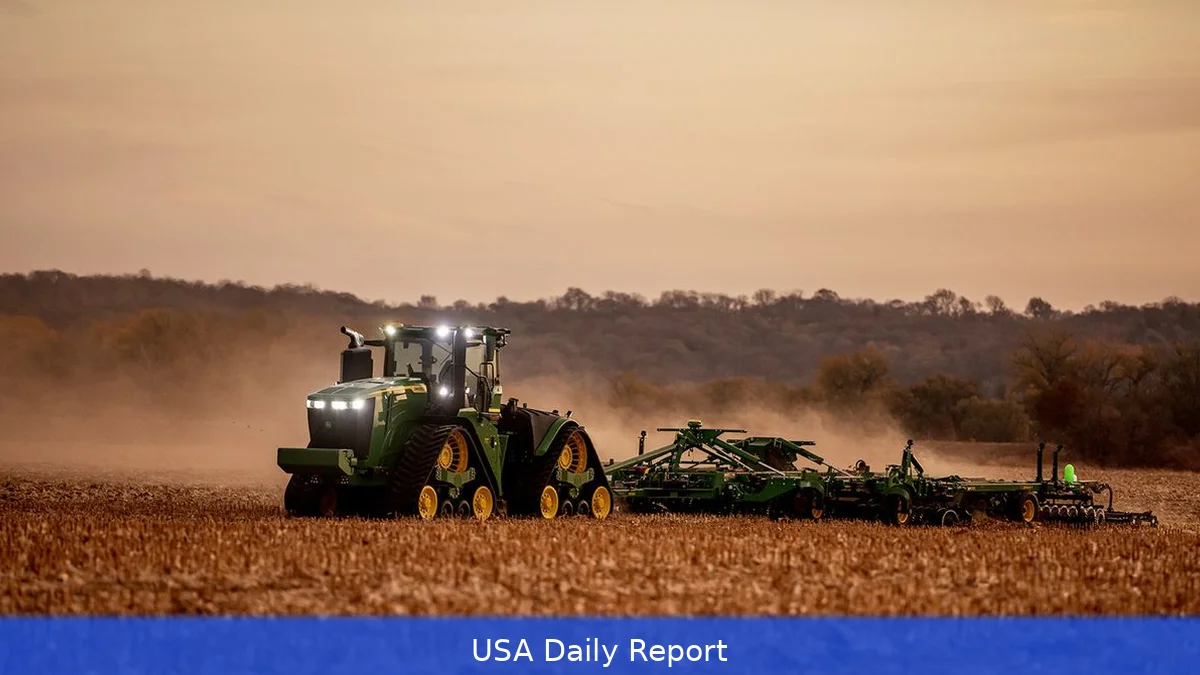
John Deere will pay $99 million to settle a class-action lawsuit over repair costs and access to digital tools, marking a big moment in the ongoing right-to-repair debate in U.S. Agriculture.
Settlement Details and What It Means for Farmers
John Deere has committed to a $99 million settlement fund aimed at reimbursing farms and farmers who were part of a class-action lawsuit concerning the costs and access to repairs for large agricultural equipment. The case centers on claims that Deere restricted access to essential repair tools and software, forcing farmers to rely solely on authorized dealers for maintenance and repairs.
The settlement covers those who paid Deere’s authorized dealers for repairs on equipment such as tractors, combines, and sugarcane harvesters from January 2018 onward. Besides the payout, Deere will give farmers access to digital tools for diagnosing, maintaining, and repairing their machines for the next decade.
Farmers will now be able to access the software and info to fix their equipment without relying solely on Deere’s dealers. This change should help reduce repair costs and downtime, problems that have frustrated farmers during crucial planting and harvest times.
Legal Context and Ongoing Battles
The settlement agreement still needs approval from a federal judge in Chicago to become official. Deere insists the settlement resolves the issues raised in the 2022 complaint but denies any wrongdoing in the process.
They say the deal brings the case to a close without admitting liability.
That said, Deere still faces a separate lawsuit filed by the Federal Trade Commission (FTC). The FTC’s suit accuses Deere of creating a monopoly by pushing farmers to use only its authorized repair network, which allegedly inflates repair costs and limits farmers’ ability to fix their own equipment quickly and affordably.
In 2025, a federal judge ruled that Deere must face the FTC lawsuit, rejecting Deere’s attempts to dismiss the case early. The judge found the government’s claims about Deere’s control over the tractor repair market to be legally enough. Deere remains under legal pressure to justify its repair practices as the case moves forward.
Why Right-to-Repair Matters for Farmers
For many farmers, having the ability to repair their own equipment isn’t just about saving money—it’s a matter of survival during tight planting and harvesting windows. Broken-down machinery can cost farmers hundreds of thousands of dollars in lost productivity and delayed work. The high cost and limited access to repair services have been a major source of frustration, especially in rural areas where authorized dealerships might be hours away.
Farmers argue that Deere’s control over repair tools and software has forced them into expensive and time-consuming repairs through authorized dealers. That can mean waiting days or weeks for service, which simply isn’t doable when crops need tending immediately.
That said, state lawmakers in Iowa have taken notice. A bill currently under consideration would require equipment manufacturers to provide independent dealers and farmers with access to repair documentation, parts, software, and tools on fair terms. Deere and many authorized dealers oppose this legislation, warning it could affect product safety and intellectual property rights. Still, farmers’ groups see right-to-repair laws as essential for maintaining their livelihoods.
Deere’s Market Performance Amid Legal Challenges
Deere’s stock price has dropped significantly as it deals with these legal challenges. Shares have dropped nearly $90 from their February 2024 peak of $662.49, reflecting investor concerns about the ongoing lawsuits and potential impacts on Deere’s business model.
Right-to-repair efforts are growing in many industries as regulators and consumer groups challenge companies that restrict access to repair parts and info. Deere’s settlement could be a sign of shifting attitudes in agriculture, where equipment uptime is critical and farmers demand more control over their machinery.
Deere is still a major player in farm equipment, with key factories in Iowa and a solid global footprint. How the company adapts to these legal and regulatory pressures could shape its future—and the future of farm equipment repair nationwide.
Looking Ahead: What Comes Next?
The settlement fund is a concrete step but far from the final word. The FTC lawsuit continues to loom, and state legislation may accelerate changes in how agricultural equipment manufacturers handle repairs.
Farmers are watching closely, eager for more affordable, timely repair options. The availability of digital repair tools promised in the settlement could shift the balance of power toward farmers and independent mechanics, reducing Deere’s control over what has long been a captive repair market.
Meanwhile, Deere will likely keep defending its practices vigorously, arguing it’s protecting product integrity and safety. This next few years could bring more legal battles and legislative moves as the right-to-repair fight plays out on multiple fronts.
Farmers’ approach to fixing their equipment is definitely evolving. And Deere’s $99 million settlement is proof the old model can’t hold forever.
Judge approval is needed before the settlement takes effect, but Deere’s agreement shows mounting pressure on manufacturers to loosen grip on repair tools and software. Meanwhile, the FTC case presses on, keeping Deere in the legal spotlight for now.


