Diesel prices in the Philippines have nearly doubled in recent months, forcing many to rethink travel plans during the crucial Holy Week holiday. For drivers and commuters alike, the rising cost of fuel is reshaping daily life—and travel is taking the biggest hit.
Jeepney Drivers Bear the Brunt
Romeo Esmenda has been driving a jeepney route in Quezon City for almost three decades. But lately, the numbers just don’t add up. Before the spike in oil prices, he spent about 3,000 pesos—just under $50—on diesel each day. Now, filling up costs him nearly twice that.
What’s worse: his daily profit has plunged from around 1,500 pesos ($25) to barely 300 pesos ($5) on good days. “There are days I ask myself if I should even go out or just stay home,” Esmenda says. Like many public transport drivers, he’s caught in a squeeze with no way to cut costs.
Jeepneys, which are a big part of daily life in the Philippines, run mostly on diesel. When fuel prices climb, drivers face a tough choice: raise fares, which many commuters can’t afford, or suffer shrinking income margins.
Dependence on Middle Eastern Oil Exposes Vulnerability
The Philippines imports about 90% of its fuel, mostly from the Middle East.
The conflict in the Middle East has pushed oil prices up all over the world. Even though the fighting is thousands of miles away, its impact hits Filipino wallets hard.
President Ferdinand Marcos Jr. Declared a national energy emergency late last month to tackle the crisis. His administration rolled out the UPLIFT program—aimed at managing fuel supply and supporting vulnerable sectors like transport workers and small businesses. Measures include fuel subsidies and expanded public transportation options.
Travel Plans Put on Hold During Holy Week
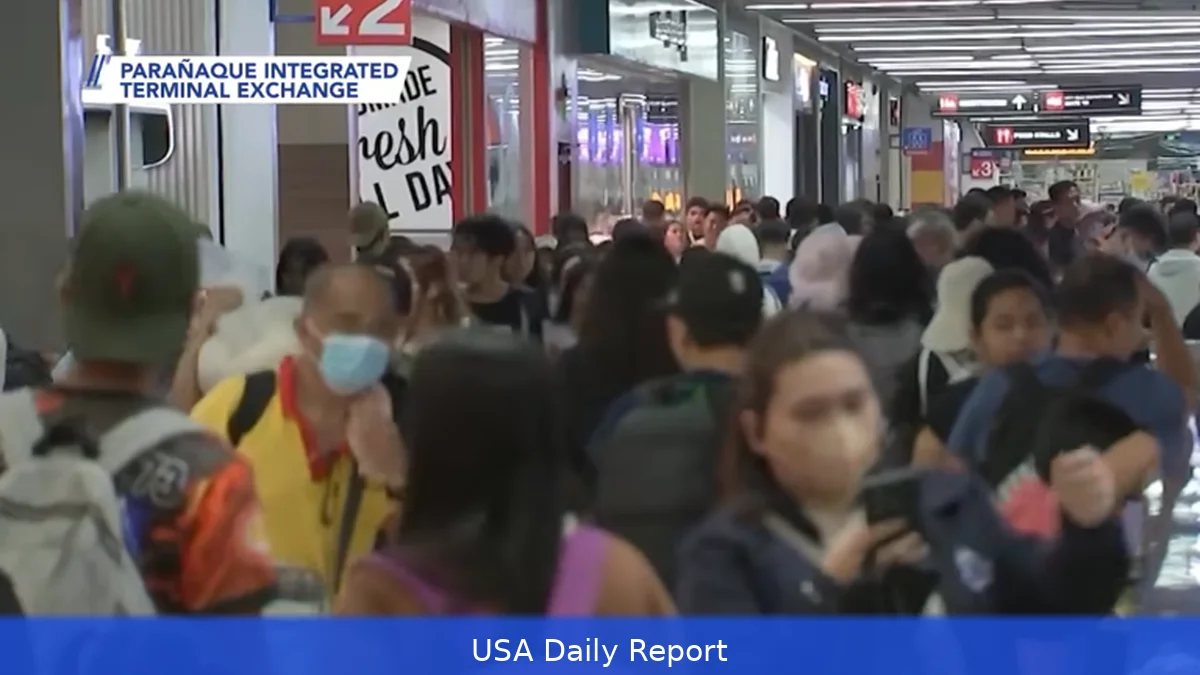
Holy Week is traditionally one of the busiest travel seasons in the Philippines. Families visit relatives, beaches get crowded, and tourism surges.
But rising fuel prices have forced many to stay home instead.
Public transport fares have gone up, and private vehicle owners face steep costs at the pump. For many, the math no longer works out. Food producers, delivery services, and other sectors tied to transport are also feeling the pressure, pushing up prices across the board.
Consumer groups warn that many households are now forced to make hard choices—cutting back on travel, limiting food spending, or taking on debt just to cover basic needs.
Global Fuel Price Shock Hits Travel Worldwide
The Philippines isn’t the only place feeling the pinch. In the U.S., rising fuel costs are expected to push up airfare prices this summer. Airlines stopped locking in fuel prices years ago, so they buy fuel at whatever the current market rate is. That means spikes at the pump directly hit ticket prices.
Experts predict domestic flight costs could rise between 9 and 20 percent. Travelers who booked weeks ago are somewhat shielded for now, but those planning trips later this year face sticker shock.
At the same time, more travelers are buying “Cancel For Any Reason” insurance, which has seen a 27% surge in interest since March. It costs more but offers flexibility amid global uncertainty.
Some Americans might switch to driving to avoid higher airfare. Regional destinations within driving distance could see a boost, especially where public transport is limited.
Rising fuel prices are changing how people travel, whether in Manila or Cleveland. For millions, fuel costs aren’t just numbers—they’re stopping them from traveling during holidays or making them change their plans.


