
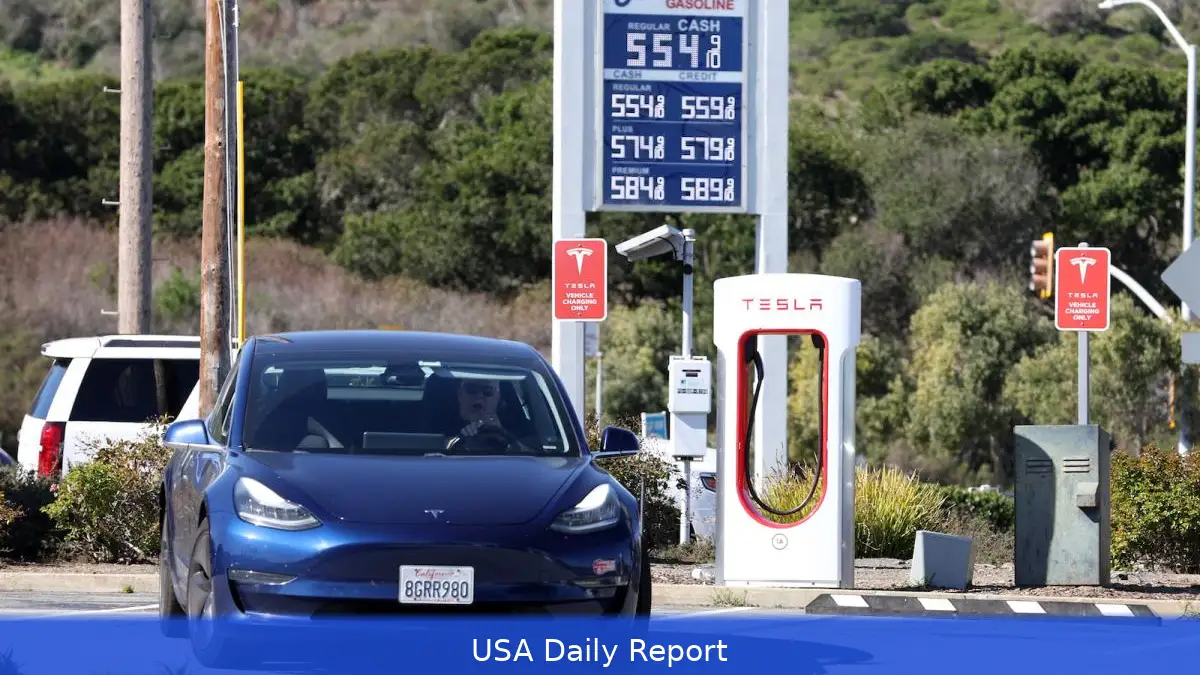
Gasoline prices in the U.S. Surged past $4 a gallon for the first time since 2022, sparking renewed interest in electric vehicles. Tesla, despite a rocky year of political backlash, saw its sales rise, hinting at shifting consumer behavior amid fuel cost pressures.
Gas Prices Spike Amid Middle East Conflict
American drivers are feeling the pinch at the pump again. The national average for regular gasoline climbed to $4.02 per gallon recently, marking the highest level since 2022. This jump comes as the ongoing war involving Iran disrupts oil supplies, pushing crude prices above $100 per barrel—up from about $70 before the conflict began in late February.
Prices aren't just a national average; many states have been dealing with steep gas costs for weeks. Diesel is even worse, averaging $5.45 per gallon, up sharply from $3.76 before the fighting started. That’s a serious hit to the cost of moving goods, which means higher prices could ripple through grocery stores and beyond.
Electric Vehicles Gain Ground as Costs Climb
While high fuel expenses strain household budgets, they’re also reviving interest in electric vehicles. Tesla’s sales data for the first quarter of 2026 shows a 6% increase to 358,023 vehicles sold compared to the same period last year—the first quarterly sales rise in three years.
Still, Tesla’s sales fell short of analysts’ expectations, with the company missing the 381,000-vehicle forecast. That shortfall triggered a steep drop in Tesla’s stock price, down 5.4% to just over $360 a share.
But the stock remains up 30% compared to a year ago, reflecting optimism about Tesla’s longer-term prospects in autonomous driving and robotics, areas CEO Elon Musk has emphasized.

Policy Changes and Market Shifts Affect EV Momentum
But the road for EVs isn’t smooth. The federal tax credit for electric vehicle purchases expired last September under the Trump administration, removing a major incentive that had helped boost sales.
That, combined with automakers scaling back EV production and scrapping battery factory plans, dampened momentum.
Industry analysts forecast that overall new car sales might decline by 6.5% in early 2026, with electric vehicle sales potentially falling 28% without sustained high gas prices. However, the recent jump past $4 a gallon has some experts hopeful it could push more consumers to consider EVs.
Robby DeGraff from AutoPacific notes that a gas price spike often prompts about 30% of vehicle owners to explore new vehicle types. While a price increase of $1.86 to $2 per gallon above current prices has historically been needed to trigger big shifts, even a smaller rise could start nudging buyers toward electric models.
Competition Heats Up as Tesla Faces New Rivals
Tesla's lead in the EV market faces challenges from overseas manufacturers. Chinese automaker BYD recently overtook Tesla in annual electric vehicle production, building 2.26 million EVs in 2025 compared to Tesla’s 1.64 million. This growing competition adds pressure on Tesla to innovate and expand its lineup.
To counteract past sales dips, Tesla has introduced lower-cost versions of its Model X and Model 3. It’s also developing a self-driving Cybercab without a steering wheel, aiming to attract new buyers interested in autonomous driving. Investors are watching closely ahead of Tesla’s next earnings report, expected to highlight results for the quarter and possibly shed light on future plans.
The market shows consumer interest in EVs is growing, but it remains fragile. If gas prices stay high, the shift could last longer, but if they drop, momentum might slow. Right now, Tesla’s small sales increase hints at how higher fuel costs are changing car buying in the US.
Related Articles
- Fed signals patience, projects one cut in 2026
- UAE Leaves OPEC — Saudi Arabia Picks Up the Slack
- Three risks that could push the Fed to pause
Tesla's sales increased while gas prices soared due to geopolitical tensions. This trend will likely continue if fuel costs remain high and Tesla keeps up with international rivals.
This article was created with AI assistance.


