Just a few weeks ago, the Strait of Hormuz was on the brink of becoming a major flashpoint. Now, a tentative ceasefire between the US and Iran offers some hope. But the stakes couldn’t be higher — for oil markets, global trade, and US strategic interests.
Hormuz: The World’s Most Critical Shipping Lane
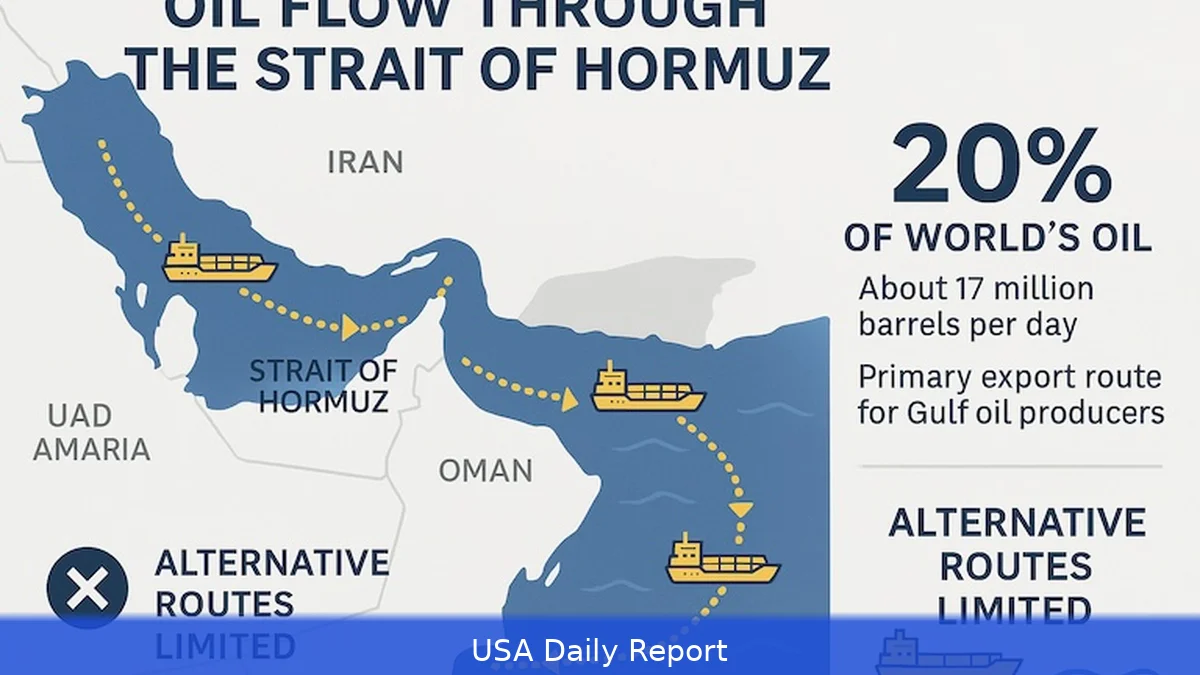
The Strait of Hormuz is no ordinary waterway. It’s the narrow choke point linking the Persian Gulf with the Arabian Sea, through which roughly 20% of the world’s oil trade passes. Every day, millions of barrels of crude and liquefied natural gas flow through this corridor, making it a vital artery for global energy supplies. Any disruption here can send shockwaves through fuel prices and trade routes worldwide.
Point is, thing is, the Strait has long been a geopolitical tinderbox. Iran’s proximity and its military capabilities have made it a constant source of tension, especially when US-Iran relations sour. The recent conflict risked shutting down this passage entirely — a scenario that would have rattled markets and strained US allies dependent on Gulf oil.
That’s why the recent ceasefire between Washington and Tehran, announced after tense negotiations, brought a wave of relief. British Prime Minister Keir Starmer, visiting the Middle East, described a “real sense of relief” across the region.
Still, he stressed there’s "a lot of work to do" to turn this ceasefire into a permanent peace and to reopen the Strait safely for shipping.
Starmer’s focus on national interest included pushing to minimize the economic fallout by restoring free navigation. His talks with Saudi Crown Prince Mohammed bin Salman highlighted plans to coordinate with partners on practical steps to reassure shipping companies. The goal: to rebuild confidence so that oil, gas, and other goods can transit without fear of interruption.
US Concerns and Industry Pushback
On the US side, President Donald Trump’s administration has been negotiating peace terms with Iran, but not without controversy. One big issue is Iran’s demand to charge tolls on ships passing through Hormuz as part of any settlement. That’s a red line for many in the US government and the oil industry.
Executives from major oil companies have voiced strong objections to the White House. They warn that allowing Iran to collect tolls could hike shipping costs by $2.5 million per shipment, not to mention boost insurance premiums. Those extra costs would eventually trickle down to consumers, pushing gas prices higher.
But the concerns go beyond just price tags. Companies fear that letting Iran control access to Hormuz sets a dangerous precedent. Other nations could follow suit, targeting critical trade routes like the Strait of Malacca or the Bosporus with similar toll demands. That could disrupt global trade patterns far beyond the Middle East.
Plus, there are legal risks. Paying tolls to Iran might violate US sanctions, exposing companies to fines or legal challenges. The industry’s pushback is cautious, though. Officials say the White House is listening but isn’t ready to budge, especially since Trump is sensitive about how the war with Iran will be judged historically.
Shell and the Broader Energy Sector Risks
Shell’s involvement in UK government talks shows how serious the shipping risks are. The energy giant is weighing potential disruptions to tanker traffic through the Persian Gulf and Hormuz. With its extensive operations in upstream production and LNG supply chains, any blockage or delay can hit Shell’s supply routes, boost insurance costs, and push freight rates up.
Shell’s worries come on top of existing challenges. The company is dealing with a shutdown of LNG production in Qatar after an attack on the Ras Laffan complex. They’re also assessing damage at the Pearl GTL facility. Adding Hormuz shipping risks intensifies supply chain shocks, complicating contract performance and pricing.
Right now, investors will want to watch how Shell manages these risks. If tensions persist, the company may face volatility in its earnings, as tighter shipping routes squeeze trading flexibility. BP and TotalEnergies face similar threats, but Shell’s heavy LNG exposure makes the stakes especially high.
What’s Next for Hormuz and US Interests?
Securing freedom of navigation through the Strait of Hormuz remains a key US priority. The region’s stability directly affects global energy flows and economic security. While the ceasefire offers a pause, the path to lasting peace and open shipping is far from certain.
US and allied efforts to coordinate with Gulf partners will be critical. They need to ensure that vessels can pass without interference and that shipping companies feel safe enough to operate without steep premiums or legal worries. That means clear rules, strong enforcement, and diplomatic efforts to keep Iran from using Hormuz as leverage.
Meanwhile, the oil industry’s quiet pressure on Washington signals how tightly business interests are tied to geopolitics here. The White House has to balance national security, diplomatic goals, and economic realities — not an easy act.
For now, the world watches as talks continue and the Strait remains open but fragile. The next few months will show whether this brief window of calm can hold or if the waters of Hormuz will roil again, sending ripples through markets everywhere.
Related Articles
- U.S. Gas Prices Surge Past $4 Amid Middle East Conflict, Squeezing American Wallets
- Iran and US Halt Hostilities Amid Ceasefire Claims: What’s Really at Stake?
- US-Iran Ceasefire Sends Oil Prices Tumbling, But Fuel Costs for Americans May Not Drop Soon
The Strait of Hormuz still stands as a linchpin of energy security and global trade. How the US and its partners handle the delicate balance of diplomacy, military presence, and economic interests will shape not just the region’s future but the stability of oil markets worldwide.


