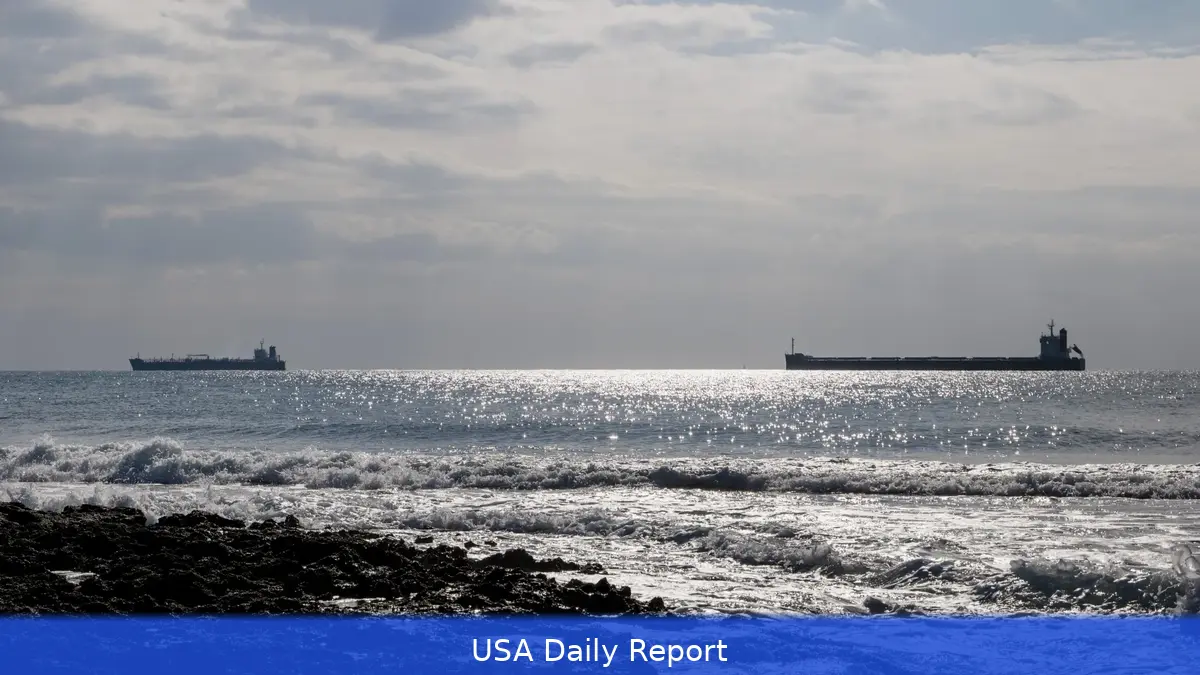
Vitol is reshaping its London derivatives operation. The move follows heavy mark-to-market hits tied to the Iran conflict.
What happened in London
Vitol Group has started a reorganization of its derivatives team based in London, according to reporting that drew on people familiar with the matter. The changes come just weeks after the trading house recorded substantial mark-to-market losses in the early days of the Iran war. Some traders are expected to leave, while others will transfer to physical trading desks that focus on specific regional markets rather than a single centralized derivatives hub.
Look, the decisions aren't final. The people who described the plan said the adjustments remain subject to change and so far apply only to the London unit.
How the losses unfolded
The hit to derivatives came when oil and fuel prices spiked after the US and Israel launched attacks on Iran in late February. Singapore jet fuel prices, in particular, jumped sharply — rising by more than 70% in the first week of the conflict — creating steep mark-to-market swings for traders who were positioned on the wrong side of the move.
Some of Vitol's positions were closed out in the immediate aftermath, and other holdings stayed open; the company's derivatives traders have since worked to offset part of the damage. Point is, the losses were large enough to prompt an internal review and an operational reshuffle.
Why Vitol is shifting roles
Vitol's core business is physical: buying, storing, shipping and selling oil and other energy products. But the company — like its peers — is also a major derivatives player. Traders use futures, swaps and other contracts both to hedge the price risk tied to physical cargoes and to take speculative positions.
When price moves are violent, mark-to-market accounting can create sudden profit-and-loss swings that show up on traders' desks each day.
Changing the structure from a centralized derivatives unit to traders embedded with physical teams could narrow the disconnect between paper positions and the underlying cargoes. It also means traders will focus more on the supply-and-demand drivers of particular markets rather than running broad, centralized books.
Parts of the business still made money
Despite the derivatives pain, the company as a whole reported profit for both March and the first quarter, according to someone familiar with the company's results. So while the derivatives arm took headline losses, other parts of Vitol's operations performed well enough to keep the firm in the black for the period.
And that's consistent with how commodity trading firms behaved during prior crises. The industry posted soaring earnings after the energy shock that followed Russia's invasion of Ukraine, and Vitol emerged from that episode as one of the most profitable trading houses worldwide.
Strait of Hormuz, disrupted cargoes and chaotic price moves
The broader market shock was tied to disruptions in shipping and the closure of the Strait of Hormuz, which created a chaotic supply picture. Contracted cargoes from the Gulf were canceled as routes and insurance costs changed rapidly. That chaos is bad for some traders — and good for others.
Physical commodity traders typically thrive on dislocations because they can move ships, access storage and exploit regional price gaps. For a derivatives desk running large, centralized bets, the same dislocations can magnify mark-to-market swings and force quick, costly adjustments.
Staff moves and leadership change
The reorganization comes amid a wider leadership shuffle at Vitol.
Jeff Dellapina, the firm's long-standing chief financial officer, has announced his departure. That change at the top adds context to the derivatives reshuffle, even if there isn't a direct, stated link between the CFO exit and the trading-team changes.
Here's the thing — so far, Vitol has declined to comment on specifics about the derivatives team's reorganization or on the performance of its derivatives business.
What this means for commodity trading
Traders and competitors will be watching how Vitol spreads derivatives responsibility across market-specific desks. Embedding derivatives traders alongside physical teams can reduce frictions between paper and cargo trades. But it also changes how risk is measured and managed inside the house — and could shift profit-and-loss attribution between desks.
Right now, the rework is limited to London. There’s no public sign the firm plans to roll the same structure out globally. Still, the move speaks to how rapid, large price moves — like those sparked by the Iran conflict — force big trading houses to rethink how they tie paper positions to real shipments.
Industry backdrop
The commodity trading industry surged after the earlier energy crisis that began with Russia's invasion of Ukraine. Firms that navigated logistics, storage and regional arbitrage well captured oversized returns. Vitol was a standout in that period, emerging as the world's most profitable trading house in the aftermath.
But markets have memory. When a severe shock hits, mark-to-market accounting and centralized risk books can be exposed quickly. The London reorganization is an example of how one of the largest traders is adapting its structure to try to reduce exposure to those sudden swings.
Related Articles
- Panicked Hunt for Barrels Sends Physical Oil Prices Soaring
- China rolls out 'goodwill' economic steps for Taiwan after rare meeting with KMT leader
- Why water bonds could unlock fresh funding for African infrastructure
Singapore jet fuel prices climbed by more than 70% in the first week after the Iran attacks.


