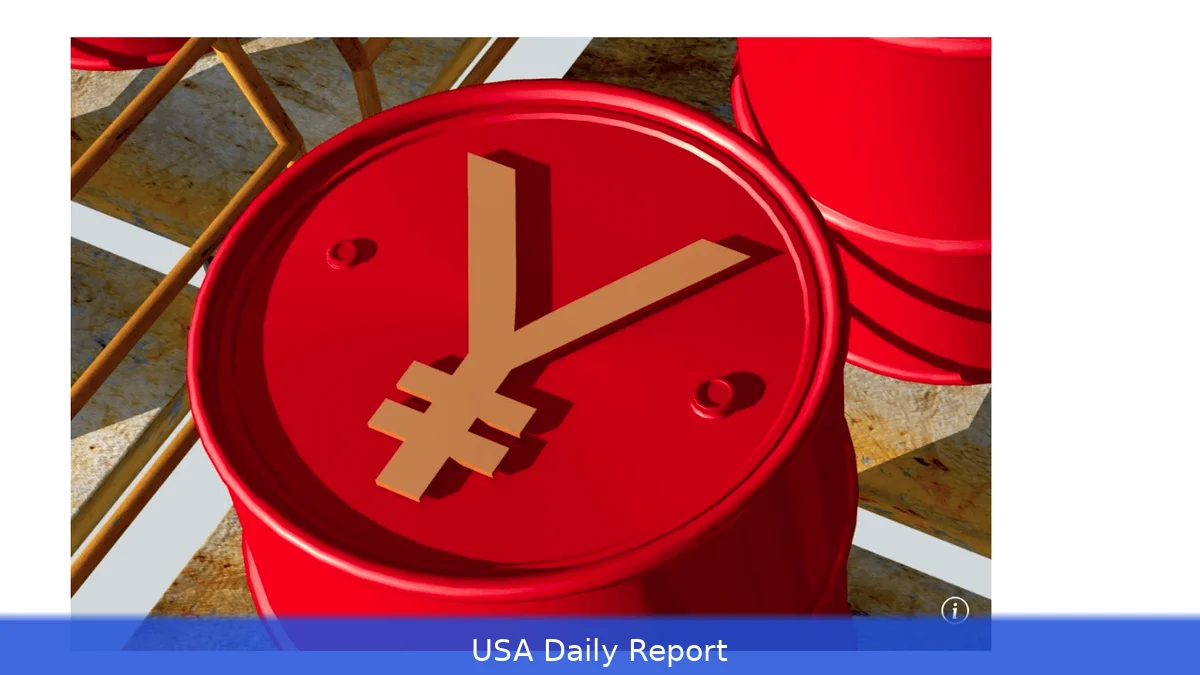
Despite global concerns over the Iran war and its effects, the yuan has held up better than expected. Although seasonal dips are common, the conflict and China's economic strength might help the yuan stay steadier.
Energy Supply Risks Tighten Global Markets
The Iran war has sharpened fears around energy security, especially given the strategic importance of the Strait of Hormuz. This narrow waterway handles about 20% of the world’s oil and a big chunk of liquefied natural gas (LNG), vital to energy-hungry regions like Asia and Europe.
Disruptions or threats to this route can quickly ripple through global markets, pushing up fuel prices. Higher energy costs tend to spill over into many sectors, since transportation and manufacturing rely heavily on stable and affordable fuel supplies.
China's position as a big energy buyer and its closer ties with Middle Eastern suppliers might boost the yuan. If global oil prices spike, China may lean more on yuan-denominated contracts, boosting demand for the currency.
Beyond Oil: Hidden Supply Chain Vulnerabilities
Energy shocks don’t just hit oil and gas markets. Some industrial materials linked to hydrocarbons face risks, too. For example, helium, mostly produced alongside natural gas, is critical for high-tech industries like semiconductor manufacturing and medical imaging.
Qatar supplies about a third of the world’s helium, so any disruption in Middle Eastern gas exports could pinch these industries.
Similarly, sulphur, another by-product of hydrocarbon extraction used in copper processing and other industrial processes, could become scarce if energy supply chains are disturbed. These hidden supply chain issues make the economic effects of the Iran conflict even more complicated.
Agriculture and Food Prices Under Pressure
Fertilizer production depends heavily on natural gas, making agriculture vulnerable to rising energy prices and supply interruptions. If the war drags on, fertilizer costs could climb, squeezing farmers and pushing up food prices globally.
This matters a lot for countries depending on fertilizer or food imports. Higher prices could feed into inflation, complicating policymakers’ efforts to manage the economy.
Markets could be missing how serious the long-term risks really are.
Economists warn that the market may be brushing off the possibility of a drawn-out conflict. Frederic Schneider, a senior fellow at the Middle East Council on Global Affairs, argues that a prolonged war combined with rising interest rates to tackle inflation could trigger serious economic fallout.
He points to the risk of asset bubbles bursting and a potential debt crisis similar to 2008. That kind of turmoil could shake global confidence and disrupt trade flows, yet markets seem to be pricing in a shorter conflict timeline.
Part of the yuan's strength might come from hopes that China’s economy can handle these shocks better than most. Its strong trade links and efforts to stabilize currency flows might shield it from the typical seasonal slump.
If the Iran war continues and energy prices climb even higher, the yuan could benefit from increased demand as China seeks to secure supplies and stabilize its economy. But a prolonged conflict raises big questions about global stability and economic health.


