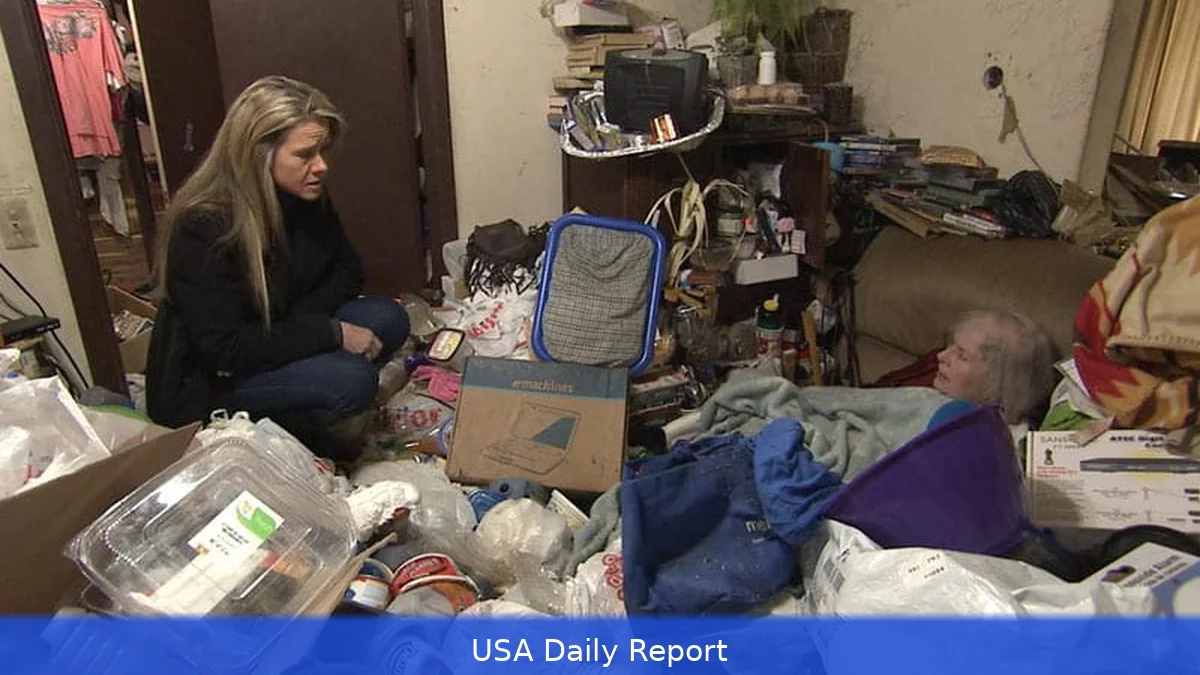
Want to appear on A&E’s Hoarders or get help from the show’s team in 2026? This guide walks through the exact steps to apply, what producers look for, costs to expect, and safer alternatives if the show isn’t right. It’s practical, U.S.-focused, and updated for 2026 procedures and resources.
Quick-reference summary
- Where to apply: A&E casting portal — https://www.aetv.com/casting.
- Who can apply: people with hoarding disorder, family members, landlords, or social workers with client consent.
- Typical documentary timeline: 2–6 months from initial contact to filming; some cases may take longer for medical clearance.
- Fees: application is free; production may cover some cleanout or remediation costs but offers vary. Expect private cleanouts to cost $3,000–$20,000 depending on house size and haul in 2026. Major remediation (mold, structural) can range $5,000–$50,000 or more.
- Mental health resources: MentalHealth.gov (https://www.mentalhealth.gov), NIMH (https://www.nimh.nih.gov), SAMHSA (https://www.samhsa.gov), NAMI (https://www.nami.org, helpline 1-800-950-NAMI). Crisis line: dial 988 for the Suicide & Crisis Lifeline.
Prerequisites — who qualifies and what to prepare
Hoarders casts people whose living spaces create serious safety, health, or social problems. Producers look for urgent situations — fire risk, blocked exits, code violations, eviction notices, or an emotional story that shows the disorder’s impact. But they also need workable production logistics: access, safety, and signed releases.
Eligibility checklist:
- Applicant is 18 or older. Minors require guardian waivers and additional legal review.
- Applicant or household member consents to filming inside private spaces; everyone filmed must sign releases.
- There’s a clear hoarding situation — unsafe clutter, blocked exits, vermin, mold, or documented code enforcement.
- No ongoing criminal investigations tied to the home that would block production access or risk crew safety.
- Property must be reachable for a crew truck and equipment — steep driveways, condemned structures, or serious structural collapse can disqualify a case.
Documents and media to gather before you apply:
- Photos: 9–15 clear images showing the inside and outside — wide shots, hazards, blocked exits, and living areas.
- Short video: 60–90 seconds explaining the situation on camera — speak plainly about risks and goals.
- Support contacts: names and phone numbers for family, friends, a clinician, landlord, or social worker.
- Official notices: eviction or code-enforcement letters, landlord complaints, or recent 911/EMS reports if relevant.
- Proof of tenancy or ownership if eviction or legal access will be part of the story.
Step-by-step: how to apply to Hoarders in 2026
-
Visit A&E’s casting page.
Start at A&E’s casting portal: https://www.aetv.com/casting. Find the Hoarders listing and click the "Apply" or "Submit" link. The portal lists the specific questions producers are asking that week — follow those instructions exactly.
-
Complete the online questionnaire and upload media.
You'll probably fill out a simple form, write a short description of the situation, attach several photos, and upload a quick 60–90 second video explaining what's happening. Answer clearly: state the immediate safety issues, recent actions (eviction notices, hospital visits), and who’s willing to be filmed. The form is free.
-
Wait for initial contact — phone interview.
If the producers are interested they'll usually reach out by phone or email within a few weeks. That first interview usually lasts 20–60 minutes. They’ll ask about timeline, hazards, health concerns, and whether a support person can be onsite during filming.
-
Home scouting and safety assessment.
If you're moving forward, expect a scout or production rep to come by within a couple of weeks to check access and safety. They’ll assess crew access, hazards, pest and mold risk, and whether the site is safe for filming. If there are biohazards or active infestations, production may require remediation before filming or decline the case.
-
Mental health and medical screening.
Producers may ask for a clinician's note or a mental health check — getting that cleared can add a week or more to the timeline. The show prioritizes participant safety — if someone is acutely suicidal, actively psychotic, or medically unstable, producers will pause the process and refer to local services such as SAMHSA treatment locators or a clinician.
-
Releases, agreements, and scheduling.
Once scouting and screening are okay, production will hand over release forms and a contract that you'll need to sign. Expect multiple releases — for the participant, any adults who live there, and people who’ll be filmed. Read them closely. Scheduling for filming can be set within 2–8 weeks and often depends on crew availability.
-
Pre-production and support planning.
Production will coordinate logistics: pest control, hauling, permissions, and medical support presence if needed. Producers may arrange temporary housing or hotel stays during cleanouts for safety and privacy, but that varies by episode.
-
Filming and cleanout.
Filming can last anywhere from a few days up to a couple of weeks, depending on the scope of the shoot. The actual professional cleanout can take anywhere from a single day (studio teams clearing a single room) to 1–2 weeks for whole-house jobs. Cleanout costs vary a lot — small jobs might run a few thousand dollars, while large or complicated whole-house removals can be far more. Production sometimes covers part or all of this — but amounts vary and are contract-specific.
-
Post-cleanout follow-up and therapy referrals.
Many episodes include follow-up visits months later. Producers often provide referrals to therapists or hoarding specialists, and may pay for a limited number of counseling sessions. There’s no guarantee of long-term funding — ongoing care generally requires community mental health services or private payment.
-
Broadcast and rights.
Once filmed, the episode goes through editing and legal review. Participants sign broadcast releases that allow A&E to air the footage. Episodes are typically scheduled within months of filming but can sit in post-production longer.
Tips
- Be honest and concise in your application—producers check facts like eviction notices and health reports.
- Label photos clearly and include dates when possible. Recent photos (within 30 days) carry more weight.
- Line up a support person — family, friend, or caseworker — who can be on camera and help during filming.
- Ask for specifics in writing: what costs production will cover, housing during cleanout, and how many therapy sessions they’ll fund.
- Talk to a local clinician before extra exposure — a therapist can help prepare you for the stress of being filmed.
- If worried about privacy, ask which parts of your home might be blurred or off-limits — but realize the show needs visual storytelling.
- Keep copies of every release and agreement. Consider simple legal advice before signing if large sums or long-term obligations are mentioned.
Common mistakes to avoid
- Don’t hide criminal history or active investigations — discovery can stop production and damage credibility.
- Don’t assume the show will fix everything. Production help varies — many costs are out-of-pocket unless contractually covered.
- Don’t skip medical or mental-health disclosures. If you’re on medications or have recent hospitalizations, tell producers; it’s safer for everyone.
- Don’t sign blank or vague releases. If a term is unclear — ask for clarification in writing before you sign.
- Don’t rely solely on the show for long-term therapy. Producers may provide short-term support but usually not indefinite care.
- Don’t let minors be filmed without checking local rules and getting proper legal consent — that can be complicated.
Related Articles
- How much is capital gains tax in 2026: federal rates, state examples, and how to calculate what you owe
- How to file taxes as a 1099 contractor in 2026
- How much is self-employment tax in 2026: rates, caps, examples, and how to calculate it
If appearing on Hoarders is the route chosen, start at https://www.aetv.com/casting and gather photos, a short video, and any city or medical notices. Apply honestly. While waiting, call 988 or reach out to MentalHealth.gov, NIMH, SAMHSA, or NAMI for local help and therapy referrals.


