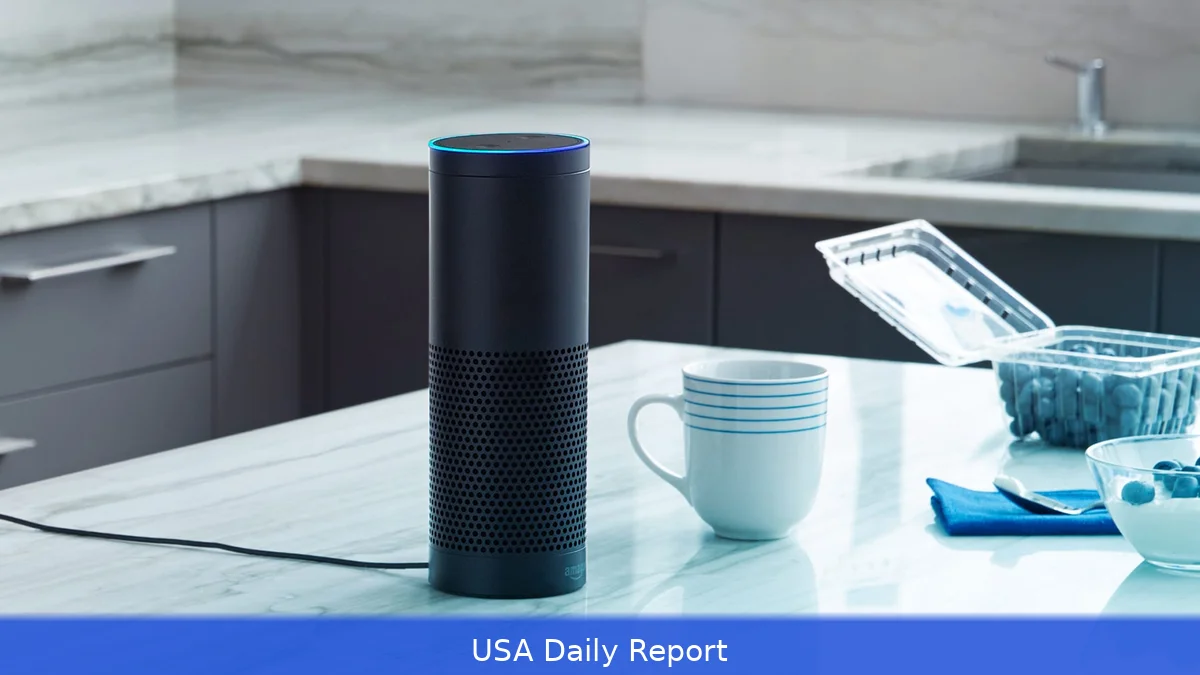
Alexa just got a big upgrade. Amazon’s new Echo devices aren't just smarter—they’re built from the ground up to understand you better, see you clearer, and hold more natural conversations.
The Leap to Alexa+
Six months ago, Amazon rolled out Alexa+, an AI-powered voice assistant designed to take conversations beyond simple commands. But the real game-changer came this fall when Amazon launched a fresh lineup of Echo devices built specifically to unlock Alexa+’s full potential. These aren’t your average smart speakers. They come equipped with new chips, better sensors, and even sharper cameras, all tailored to help Alexa learn, listen, and respond in ways that feel surprisingly human.
Amazon’s Vice President of Alexa & Echo, Daniel Rausch, says the team has been hard at work turning Alexa+ from an idea into a seamless experience for millions. "The vision for these products is really that they're purpose-built for Alexa+," Rausch shared. That means new hardware designed from scratch with AI in mind.
Hardware That Hears, Sees, and Thinks
At the heart of these devices are Amazon’s AZ3 and AZ3 Pro chips, embedded in the latest Echo Dot Max and Echo Studio speakers, and the new Echo Shows. These chips don’t just boost speed—they bring AI processing directly to your device, letting Alexa handle complex tasks without always relying on cloud computing. That’s a big deal for faster responses and stronger privacy controls.
But Amazon didn’t stop at brains. The new Echo Show splits its speakers from the display, delivering richer audio while keeping a sleek design. Plus, the Echo Show includes a 13-megapixel camera with wide-angle capabilities, allowing Alexa to see you from odd angles. Rausch calls this sensor fusion platform “Omnisense,” a system that combines signals from multiple sensors to help Alexa better understand what’s happening around her.
Alexa That Talks Like a Real Person
Alexa+ has become more conversational, with users engaging in twice as many interactions compared to before. It’s not just about following commands anymore. The assistant can now hold back-and-forth chats, offer ingredient substitutions while cooking, and teach users about its own capabilities. Cooking, for instance, has moved from a niche feature to a full-fledged assistant.
Alexa can suggest alternatives on the fly—say, swapping cake flour for almond flour if you’re gluten-free.
Rausch pointed out that Alexa’s new intelligence is helping customers discover what she can really do. "People want to know what Alexa knows, what she can do, and to have a conversation about it," he said. That means Alexa isn’t just a tool; she’s becoming a companion that adapts to your needs.
Taking Alexa Beyond the Home
Amazon’s ambition doesn’t end with smart speakers. The company has been exploring wearables like Echo Frames and Echo Buds, aiming to bring Alexa’s smarts wherever people go. Customers are already diving deeper into Alexa+ on these devices, and Amazon is working on the next generation to push this further.
Smart glasses remain a tricky market, though. Rausch emphasized the importance of getting it right. Glasses aren’t just tech—they’re fashion and personal identity. Amazon’s approach focuses on blending technology with style, making wearables something people want to wear every day.
The Bigger Picture: AI at the Edge
Amazon’s move to embed AI-powered chips in its devices signals a shift in how voice assistants operate. Instead of relying solely on cloud servers, processing happens locally—that’s called running AI "at the edge." The approach cuts down latency, enhances privacy, and allows Alexa to understand context better.
Omnisense is part of this push. By fusing data from microphones, cameras, and other sensors, Alexa can detect nuances humans might miss. That could mean better voice recognition in noisy rooms, or recognizing gestures captured by the camera.
All this adds up to a voice assistant that’s not just reactive but proactive, sensing your needs and anticipating actions. It’s a step toward devices that feel more alive, more connected to their users.
Amazon’s Echo lineup isn’t just about louder speakers or prettier screens anymore. It’s about creating a digital assistant that can truly listen, see, and engage like a real person. The question now is where Alexa+ will go next—inside your home, on your face, or maybe somewhere you haven’t imagined yet.


