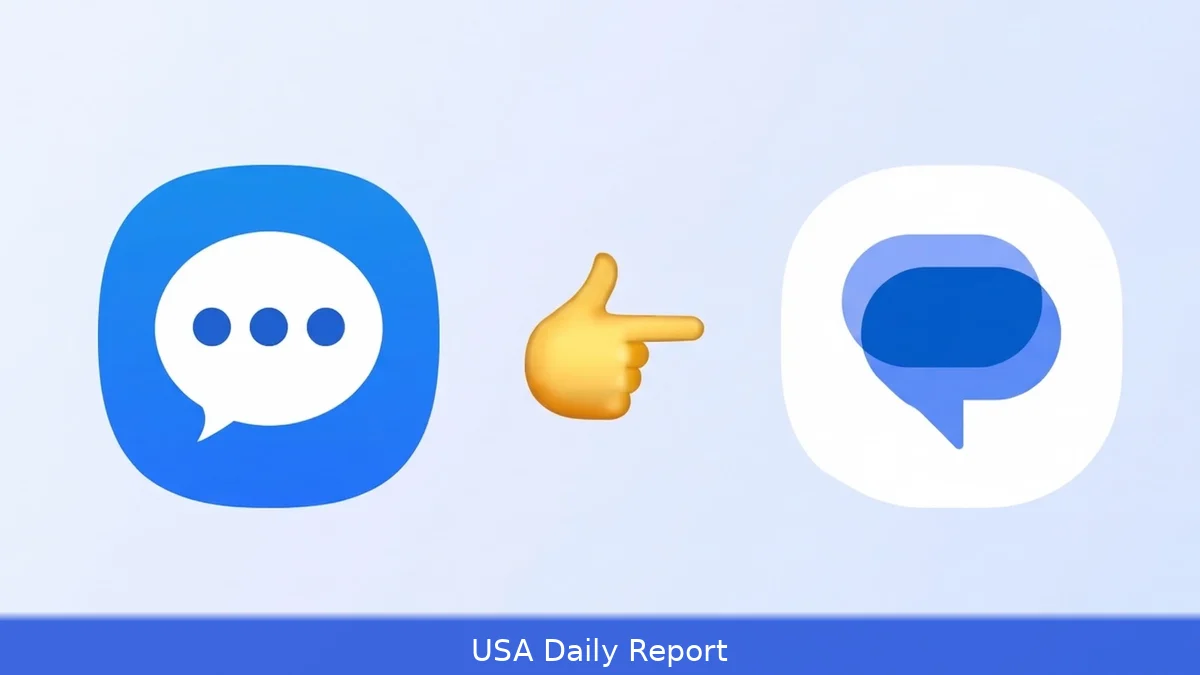
Samsung is pulling the plug on its Messages app in the U.S. This July. The move pushes Galaxy users toward Google Messages, marking a major change in how Samsung handles texting on its devices.
Samsung Messages Faces Sunset
Samsung has announced that its Messages app will no longer be available starting July 2026 in the U.S. The app, which has been the default SMS and RCS client on many Galaxy devices, will stop functioning except for emergency calls and contacts. After July, users won’t be able to download Samsung Messages from the Galaxy Store. The Galaxy S26 series already skips Samsung Messages entirely, shipping with Google Messages as the default.
The shutdown applies to devices running Android 12 or newer. Older phones on Android 11 or below won’t be affected and can keep using Samsung Messages for now. Samsung has been nudging users toward Google Messages for some time, offering in-app prompts and instructions to ease the switch.
Guided Transition to Google Messages
Samsung is making sure the switch isn’t a jarring experience. When users open Samsung Messages, they’ll get a notification prompting them to download and set Google Messages as the default SMS app. On devices with Android 14 or later, the Google Messages icon automatically moves to the home screen dock after switching. This streamlines access and encourages adoption.
Users will need to open Google Messages and confirm it as their default SMS app by tapping a button within the app. Samsung Messages will no longer send or receive messages once the transition is complete.
For those worried about message history, Samsung Messages will guide users through the process, but some disruption is possible, especially for older devices. RCS chats might pause temporarily if both parties haven’t switched to Google Messages, though SMS and MMS will keep working during that time.
What Google Messages Brings to the Table
Samsung points to several features in Google Messages that make the upgrade worthwhile. The app uses AI-powered spam filters and scam detection to protect users from unwanted or dangerous messages.
It supports RCS messaging across Android and iOS, allowing high-quality photo and video sharing, real-time typing indicators, and richer group chats.
Another big highlight is Google’s Gemini AI integration. This adds smart replies, photo remixing, and other AI-driven features to boost expressivity in conversations. Plus, Google Messages offers better multi-device support, letting users switch between their phone, tablet, and smartwatch without losing track of conversations.
Samsung Watches Also Affected
The discontinuation isn’t limited to phones. Samsung Messages on Tizen OS watches will also stop showing full message histories. However, users will still be able to send and receive texts on their watches, though with reduced functionality.
This change reflects Samsung’s broader strategy of aligning its messaging ecosystem with Google’s platform. Since 2024, Samsung has increasingly pre-installed Google Messages as default on new devices, cementing the shift.
What This Means for Galaxy Users
Samsung’s move signals the end of an era for its own messaging app.
For many Galaxy users, especially those with newer devices, Google Messages will become the central hub for texting. The shift aims to unify the messaging experience across Android phones, reducing fragmentation and improving cross-device features.
Still, some users with older devices may face hiccups during the switch, particularly when it comes to RCS conversations. Samsung advises patience, as full RCS functionality depends on both parties using Google Messages.
The move also highlights how Samsung is ceding some control over core apps to Google, banking on a unified Android messaging platform rather than maintaining a separate service. For users, it means adapting to Google’s app and learning its new features, but also gaining access to more advanced messaging tools.
Samsung’s decision to retire its Messages app by July 2026 marks a clear step toward consolidating Android messaging under Google’s banner. The transition will reshape how millions of Galaxy users communicate, with Google Messages soon becoming their default texting companion.


