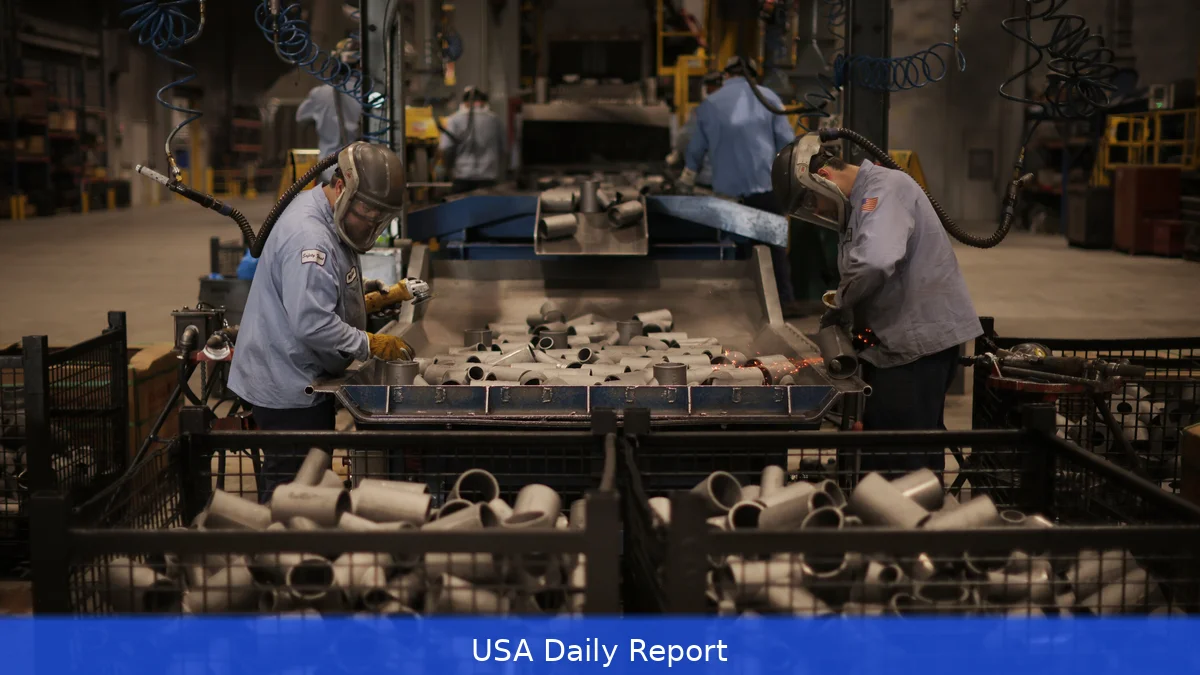
The U.S. Dollar has been on a tear since late last year, hitting a sharp spike this April. But the story doesn’t stop there. As tariffs climb higher, companies and traders are resorting to more aggressive accounting tricks and trade fraud to dodge the costs.
The Dollar's Meteoric Climb
The U.S. Dollar has been strengthening steadily since December, but recent weeks saw it rocket upward against a basket of major global currencies. That basket includes the euro, Swiss franc, Japanese yen, Canadian dollar, British pound, and Swedish krona. The surge has investors paying close attention.
Thing is — the Federal Reserve’s steady interest rates make the dollar more attractive compared to currencies tied to central banks cutting rates. The European Central Bank, for example, is gearing up to lower its key rate soon while the Fed holds tight. That gap draws money into the U.S., boosting the dollar’s value further.
Legendary investor Louis Navellier recently pointed out that this strength spells trouble for multinational companies. When foreign revenue converts back into dollars, the stronger dollar means those earnings shrink in dollar terms. It’s like getting paid less for the same work.
Roughly 40% of the S&P 500’s revenue comes from overseas markets. For tech giants, that number jumps to nearly 60%. So, when the dollar climbs, it squeezes profits and can drag down stock prices during earnings seasons.
Tariffs Are Making a Comeback
Remember the tariff wars under former President Trump? They shook global trade and rattled supply chains. Now, tariffs are back on the radar, and companies are feeling the pinch.
Sure, higher tariffs increase costs for businesses importing goods, especially from countries like China. With the dollar strong and tariffs rising, companies face a double whammy. They either pass higher prices to consumers or absorb the hit and risk hurting their bottom line.
Not just about prices. The higher tariffs have sparked a rise in trade fraud and accounting tricks. Some companies are misclassifying goods or manipulating invoices to dodge tariffs. Customs officials report a spike in attempts to evade duties, with some labeling the tactics as outright scams.
Trade Fraud: A Growing Problem
Right now, trade fraud isn’t new, but its increase amid rising tariffs is alarming. Businesses desperate to keep costs down are pushing legal limits or crossing the line altogether. This means more scrutiny from regulators and potential penalties.
Fraudulent activities can take many forms — undervaluing shipments, mislabeling products, or routing goods through third countries to avoid tariffs. These schemes complicate enforcement and put honest businesses at a disadvantage.
There’s also a ripple effect. When companies cheat, governments lose revenue needed for public services. Honest companies might raise prices to compete fairly, squeezing consumers even more.
Economists warn that persistent trade fraud could undermine trust in global trade systems, making negotiations tougher and increasing costs in the long run.
What It Means for Investors and Consumers
Investors holding multinational stocks need to watch the dollar and tariff developments closely. A strong dollar might seem good for the economy, but it masks earnings pressure for companies with big global footprints.
Consumers, meanwhile, could see higher prices on everyday goods. Energy costs, including oil and gas, often priced in dollars, are already rising worldwide. Add tariffs to the mix, and inflationary pressures might stay stubborn.
Sure, the Fed debates rate cuts and the ECB moves toward easing, the global trade backdrop remains complicated. Companies are caught in a squeeze between currency swings and tariff hikes — and some are pushing the envelope to stay afloat.
Trade fraud and accounting tricks are symptoms of a bigger problem: the clash of policy, currency markets, and global commerce. Regulators face an uphill battle cracking down on these schemes, but the stakes keep getting higher.
One thing's clear: the interplay of tariffs and the soaring dollar is reshaping trade and investment dynamics in ways that could last well beyond this year.
Related Articles
- Inside the Quest to Crack Bitcoin’s Biggest Puzzle
- Inside the Hunt for Bitcoin’s Elusive Creator: The Satoshi Nakamoto Puzzle
- The Enigma of Satoshi Nakamoto: Chasing the Shadow Behind Bitcoin’s Birth
With the dollar climbing and tariffs rising, the surge in trade fraud is a warning sign for markets and policymakers alike. How long this game of cat-and-mouse can continue we'll have to wait and see.


