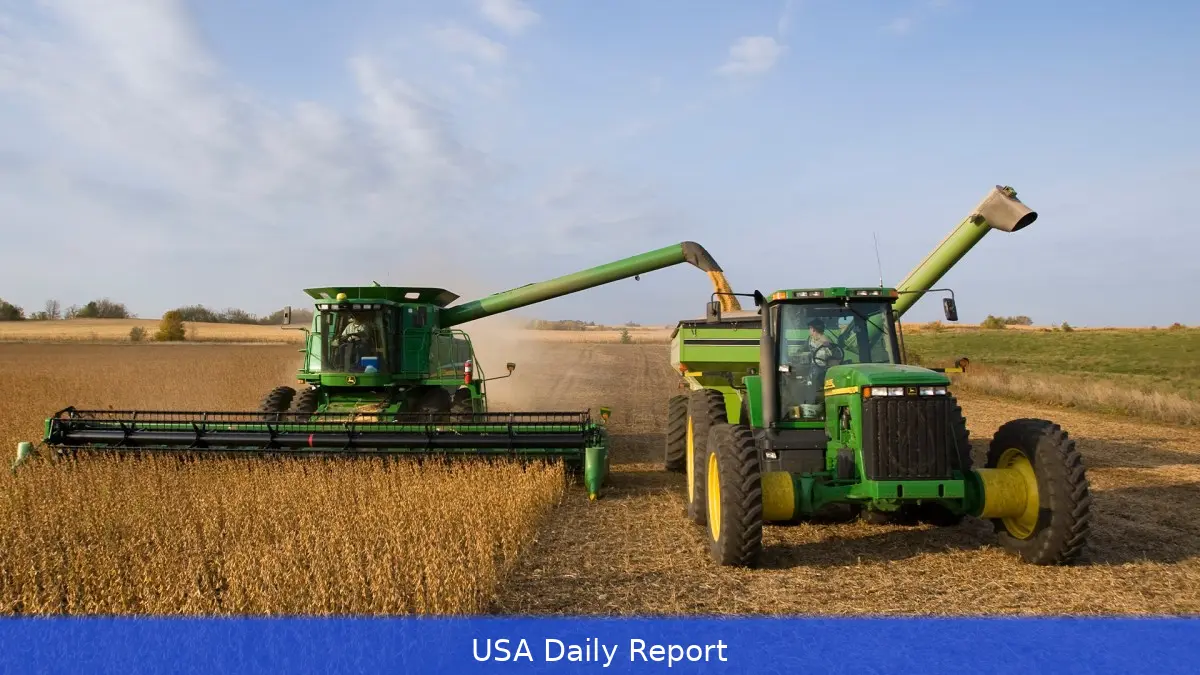
John Deere agreed to pay $99 million to settle a sweeping class-action lawsuit accusing the agricultural giant of monopolizing repair services. The case centers on the company’s control over digital tools and repair software that farmers and independent shops say they need to fix equipment without relying solely on Deere dealers.
A Major Settlement in the Right-to-Repair Battle
John Deere’s $99 million settlement is a significant development in farmers’ ongoing fight to repair their own equipment. The payout will create a fund to reimburse farmers who paid for repairs on large agricultural machinery through Deere's authorized dealers since January 2018. That includes tractors, combines, cotton pickers, sugarcane harvesters, planters, and sprayers.
The settlement involves more than just money. Deere has promised to provide farmers and independent repair shops with the digital tools needed to diagnose, maintain, and fix the software and electronics in their equipment for the next 10 years. That’s a major shift for an industry where the manufacturer often tightly controls access to repair information and tools.
The lawsuit accused Deere of monopolizing repair services by withholding high-tech diagnostic information, forcing farmers to rely on costly dealer repairs. Independent repair shops have long complained that Deere’s restrictions undercut competition, driving up costs for farmers.
Deere denied all wrongdoing, stressing the company’s commitment to serving its customers while defending its business model.
What the Settlement Means for Farmers
Farmers who have paid for dealer repairs on eligible equipment during the roughly eight-year span covered by the lawsuit can file claims to recover some of those costs. The settlement fund will also cover legal fees and expenses, meaning not all of the $99 million will reach farmers directly.
Deere has already provided contact information for affected customers, and claim forms will be made available on a dedicated website, DeereRepairSettlement.com, which is still being set up. The settlement must still be approved by a federal judge before any payments can be made.
This agreement comes as the right-to-repair movement gains momentum across the country. Farmers argue that access to repair tools isn’t just about convenience — it’s an economic necessity, especially when equipment breaks down during planting or harvest seasons. Quick repairs can mean the difference between a good year and a failed crop.
Ongoing Legal Battles and Industry Tensions
Deere’s settlement closes one chapter but leaves another open. The U.S.
Federal Trade Commission (FTC) is pursuing a separate antitrust lawsuit against Deere, accusing the company of selling farmers diagnostic tools that are less than fully functional and effectively forcing repairs through its dealer network.
The FTC’s case is pending in federal court in Illinois, with Judge Iain Johnston overseeing proceedings. That case challenges Deere’s repair restrictions as anti-competitive, alleging they drive up costs for farmers and limit market competition.
Lawmakers in Iowa, Deere’s manufacturing heartland, are also debating legislation that would require manufacturers to share repair information, parts, software, and tools with independent dealers and farmers — all on fair and reasonable terms. Deere and local dealers have opposed the bill, warning it could undermine product safety and intellectual property rights.
Right now, farmers’ groups, meanwhile, back the legislation, seeing it as essential for preserving farmers’ ability to maintain and repair their own equipment without paying premium prices or facing delays.
Industry Impact and Deere’s Market Position
John Deere’s stock has taken a hit amid these legal and regulatory pressures. Shares dropped nearly $90 from a record high of $662.49 earlier this year, reflecting investor concerns about how right-to-repair battles and other challenges could affect the company’s profitability.
Still, Deere remains a dominant force in agricultural equipment manufacturing, with a vast customer base and a strong reputation for quality. The settlement and related developments may push the company to rethink how it balances control over its technology with farmers’ demands for more repair freedom.
As digital systems become more central to modern farming machinery, access to repair tools and software will likely remain a hot-button issue. Deere’s settlement could serve as a model for other manufacturers facing similar challenges in agriculture and beyond.
Related Articles
- The Enigma of Satoshi Nakamoto: Chasing the Shadow Behind Bitcoin’s Birth
- Inside the Quest to Crack Bitcoin’s Biggest Puzzle
- China Vanke Seeks Another Bond Payment Delay Amid Growing Debt Pressure
The settlement is a major win for farmers wanting more control over equipment repairs, but the larger fight over repair rights continues. Deere faces continued legal scrutiny and legislative pressure, and how the company adapts could shape the future of farming technology and repair access.


