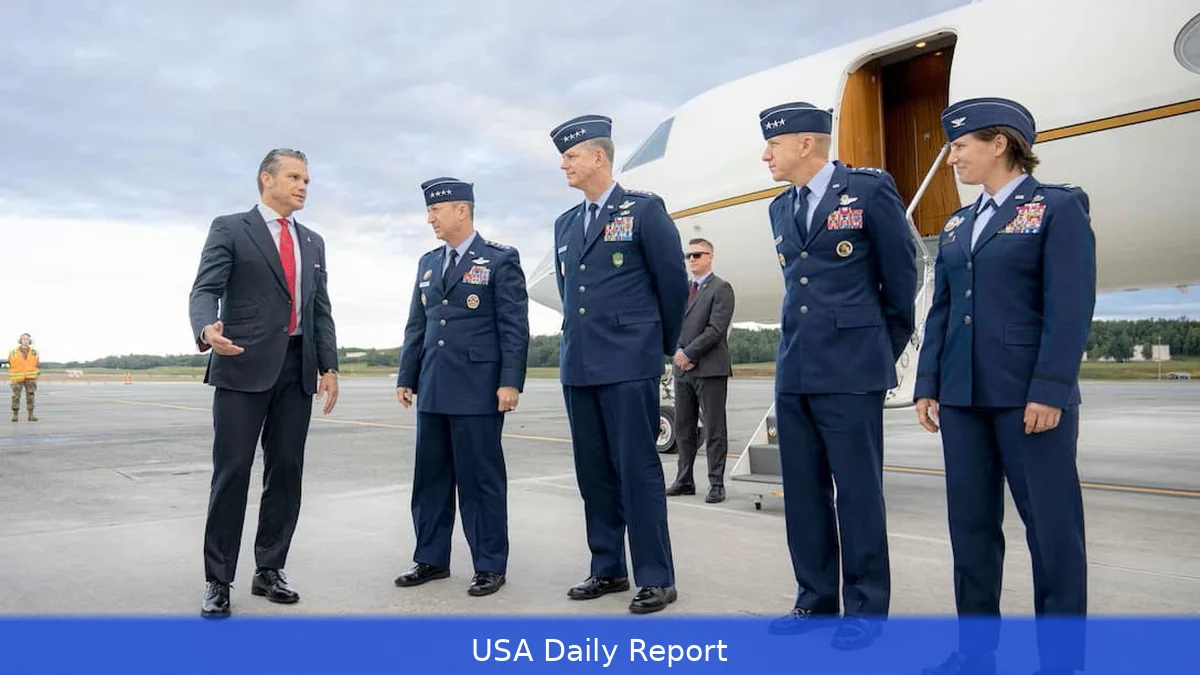
Tensions have been building quietly inside the Pentagon. Pete Hegseth, the Defense Secretary, and Dan Driscoll, the US Army Secretary, are reportedly at odds. And things aren’t cooling down anytime soon.
Clash at the Top: What’s Going On?
Recent reports say tensions between Pete Hegseth and Dan Driscoll have grown. While details remain somewhat murky, the friction appears to stem from differing visions on military priorities and leadership styles. The Washington Post broke the story, revealing that Driscoll has no intention of stepping down despite the pressure. That alone speaks volumes about the intensity of the situation.
Right now, driscoll has been the US Army Secretary during a critical time, tasked with maintaining what he calls "the strongest land fighting force the world has ever seen." His commitment to the role is clear, and he made a point of telling the press that serving under President Donald Trump was "the honor of a lifetime."
But Hegseth, a prominent figure with a reputation for being outspoken and sometimes controversial, seems to be challenging Driscoll’s approach. Their relationship reportedly hit a breaking point, sparking rumors of possible shakeups within the Pentagon’s leadership. Still, Dan Driscoll is standing firm and showing no signs of backing down.
Background on the Players
Pete Hegseth is no stranger to the military and political scene. Before his current role, he gained national attention as a Fox News personality and veteran advocate. His approach to defense issues often blends aggressive policy positions with a media-savvy presence. That combination has made him a divisive figure but also one with significant influence.
Dan Driscoll, on the other hand, brings a more traditional military leadership style to his post. His focus is on operational readiness and ensuring the Army is prepared for any challenge. While Hegseth commands attention with bold statements, Driscoll prefers to let actions speak louder. The friction between their styles may be at the heart of their struggles.
High-ranking officials often clash, especially in a place as intense as the Pentagon. But when those tensions become public, it makes people wonder about the stability of the administration and the future direction of the military.
What Does This Mean for the Army?
Right now, the Army is dealing with recruitment issues, modernization, and new global threats. Leadership friction at the top could make these issues. Driscoll has repeatedly emphasized his commitment to strengthening the Army’s capabilities. Meanwhile, Hegseth’s role as Defense Secretary means he influences broader defense policy that could affect the Army’s budget and strategic priorities.
Right now, the Army needs steady leadership more than ever. The last thing troops and officers want is to feel caught in the middle of a power struggle.
Yet, reports indicate that the disagreement has already caused ripples through the ranks. Some insiders suggest that morale could suffer if the feud drags on.
Still, Driscoll’s public stance shows confidence. He’s not wavering in his promise to serve or his focus on the Army’s mission. That’s probably reassuring for many within the force who worry about disruptions at the top.
The Bigger Picture: Pentagon Politics
The Pentagon has seen its share of internal drama before. Leadership clashes have happened before and will happen again. What makes this feud stand out is the high profile of the individuals involved and the timing. The Pentagon is navigating complex global tensions and budget debates. Effective communication and cooperation between Defense Secretary and Army Secretary are essential.
Experts say this conflict might reflect bigger disagreements about the military’s future. Hegseth’s aggressive posture may clash with Driscoll’s more measured approach. That makes people wonder about how policy decisions get made and who ultimately calls the shots.
At the same time, the public and lawmakers are paying close attention. Congressional committees responsible for defense oversight may demand answers if the feud threatens military readiness. And the media spotlight adds pressure on both men to either resolve their differences or face potential consequences.
It’s a delicate dance. Neither side wants to lose face, but the Army’s well-being hangs in the balance.
The Road Ahead
At this point, Dan Driscoll remains in his post and says he has no plans to resign.
That’s a bold move when whispers of resignations swirl around the Pentagon. His determination suggests he believes he can weather the storm and continue pushing the Army forward.
For Pete Hegseth, the big question is if he can get Driscoll to agree with his vision or if things will get worse. If the feud worsens, it could prompt high-level interventions or shakeups. And that could have ripple effects beyond the Pentagon, influencing defense policy and military morale nationwide.
One thing’s clear: the spotlight on their relationship isn’t fading. As long as they hold their posts, the American public and military insiders alike will be watching for signs of resolution—or further conflict.
Dan Driscoll’s refusal to resign amid the reported tensions with Pete Hegseth signals a standoff with potential consequences for Pentagon leadership. The coming weeks could prove pivotal in shaping the future dynamic at the heart of America’s defense establishment.


