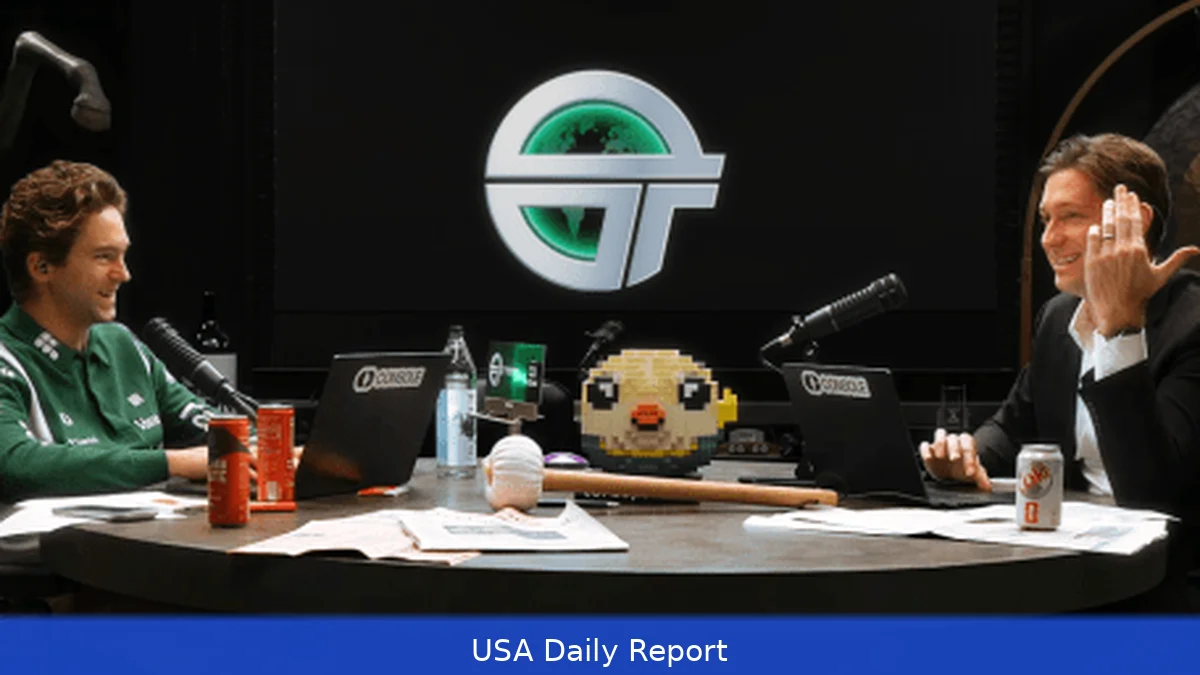
OpenAI just made a splash beyond AI development by acquiring the Technology Business Programming Network (TBPN), a niche tech media show. The deal, reportedly worth in the low hundreds of millions, marks a rare move where a major Silicon Valley player pulls a media operation in-house to shape its own story.
Buying Influence in the Tech Media Sphere
On Thursday, OpenAI announced its purchase of TBPN, a live-streamed tech show known for its casual yet influential coverage of Silicon Valley's movers and shakers. The Financial Times pegged the price tag at the low hundreds of millions of dollars, signaling a hefty investment for a relatively small audience platform.
TBPN streams on Twitter for three hours daily, five days a week. Though its viewership numbers have always been modest, the show has earned a reputation as a go-to spot for tech insiders. Its hosts, John Coogan and Jordi Hays, both have deep roots in the startup and venture capital worlds, lending credibility to their chats.
From Startup Streamers to OpenAI's In-House Mouthpiece
Founded in October 2024, TBPN quickly carved a niche by blending tech news with a laid-back vibe. It models itself after ESPN, covering tech hires and company moves as if they were sports trades, complete with flashy graphics and a lighthearted tone. Fans and critics alike have noted its similarity to early ESPN’s irreverent yet informed approach.
But underneath The approachable style lies a clear editorial stance. Both Coogan and Hays openly describe themselves as “tech-positive” and admit they aren’t traditional journalists. Their focus is on celebrating business and industry insiders rather than challenging them.
Cheerleading for the Powerful
TBPN’s lineup of interviewees reads like a who’s who of Silicon Valley’s elite. Mark Zuckerberg, notoriously media-shy, appeared on the show during Meta Connect last year, signaling the trust the platform has built among tech titans.
Other big names include Larry Ellison, Palmer Luckey, Sam Altman, and Alex Karp, each drawn by the show’s friendly, no-hard-questions environment.
That dynamic makes TBPN a dream for PR teams. The show’s popularity isn’t built on hard-hitting journalism but on offering a congenial space where tech moguls can spin their narratives without pushback.
That approach likely played a role in OpenAI’s decision to bring TBPN under its wing.
Why OpenAI’s Purchase Matters
OpenAI’s acquisition signals a shift in how tech giants manage their public image. Instead of relying on independent media, they now own a platform that shapes coverage from within. That makes people wonder about media independence and the potential for conflicts of interest when companies control their own narratives.
Look, tech companies have long wielded influence through advertising dollars and exclusive access. But outright ownership of a media outlet, especially one with a reputation for soft coverage, takes that influence to a new level. It’s a savvy move for OpenAI, which faces intense scrutiny amid its rapid growth and expanding product scope.
OpenAI’s deal with TBPN also reflects broader trends in tech media consolidation. As platforms and outlets struggle to maintain independence and profitability, big players swooping in to secure friendly coverage could become more common. That scenario makes the public’s ability to get critical, unbiased information about tech developments.
At the same time, the financial terms show that even niche media operations focused on tech insiders can command massive valuations if they hold sway with influential audiences. TBPN’s value isn’t in massive viewership but in who watches and participates in its conversations.
The TBPN acquisition marks a turning point: OpenAI is no longer just a tech innovator but a media proprietor. How this will affect coverage of AI and tech at large we'll have to wait and see, but it’s clear that OpenAI is doubling down on controlling its message in an increasingly competitive and scrutinized industry.


