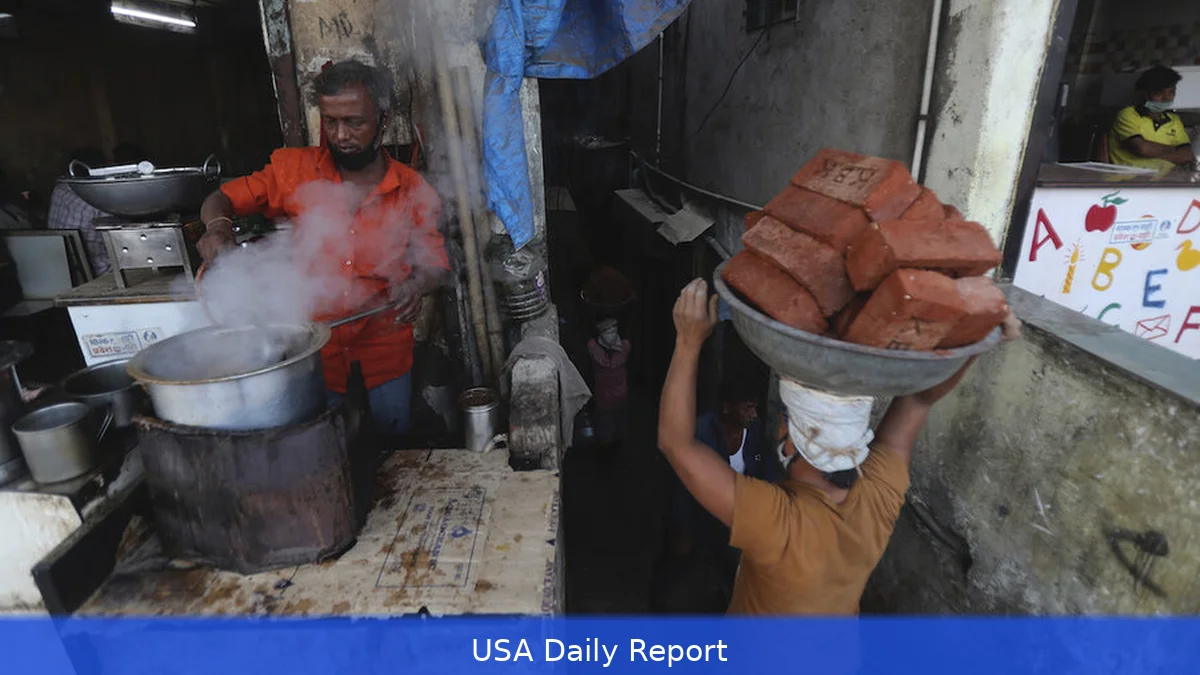
For nearly a month, many Indian migrant workers in urban centers have struggled to secure cooking gas cylinders, forcing them to consider returning to their rural homes. The shortage is straining already tight household budgets and threatening economic stability in India’s major cities.
Gas Shortages Disrupt Daily Lives of Migrant Workers
In cities across India, migrant workers are facing a growing crisis as cooking gas cylinders have become scarce. Many haven’t been able to refill their cylinders for weeks, compelling them to rely on expensive alternatives like firewood. But firewood prices are climbing fast, making it an unsustainable option.
One worker from Uttar Pradesh explained that if the shortage persists, they will have no choice but to leave the city and return to their village. This sentiment echoes across many migrant communities, where cooking gas is a basic necessity for preparing meals.
Economic Pressures Compound Urban Challenges
The shortage comes at a time when inflation in India is already putting pressure on low-income households. Cooking gas, subsidized for many, suddenly becoming unavailable or costly, hits migrant workers hard. Their wages often barely cover rent and food, so increased cooking fuel costs force difficult trade-offs.
As these workers move back to rural areas, urban economies could see labor shortages in sectors like construction, manufacturing, and services where migrants form a big part of the workforce. That could slow economic recovery efforts post-pandemic, impacting growth.
At the same time, rural regions face their own challenges accommodating returning populations, from limited job opportunities to strain on local resources. This reverse migration may temporarily ease urban pressures but risks raising poverty and unemployment in villages.
Political and Social Implications of the Crisis
The government faces mounting criticism over its management of fuel supplies. Cooking gas is a sensitive issue politically—it directly affects household budgets and daily life.
Shortages can quickly become a flashpoint, especially among vulnerable populations like migrant workers who lack strong political representation.
Some analysts warn that persistent shortages could fuel social unrest or deepen economic inequalities between urban and rural areas. The government must balance supply logistics and pricing policies to prevent further hardship.
Point is, meanwhile, the global energy market's volatility, influenced by geopolitical tensions and conflicts, has disrupted supply chains and raised costs worldwide. India, as a major importer of liquefied petroleum gas (LPG), is vulnerable to these external shocks.
Implications Beyond India
For the United States and other importing countries, India’s gas crisis signals the interconnectedness of global energy markets. Supply disruptions in one region can ripple worldwide, affecting prices and availability elsewhere.
Basically, indian migrant workers also contribute to diaspora communities in the US, sending remittances that support families back home. Economic stress in India could reduce such flows, impacting recipients abroad.
Energy security remains a key concern in US policy circles. Events like this highlight the need to diversify energy sources and strengthen supply chains to mitigate the effects of international disruptions.
At the same time, the crisis shows broader challenges in managing urban migration and ensuring social safety nets for vulnerable populations. As India urbanizes rapidly, these issues will demand sustained attention from policymakers globally.
Related Articles
- US-Iran Ceasefire Sends Oil Prices Tumbling, But Fuel Costs for Americans May Not Drop Soon
- Pro-Regime Crowds Rally in Tehran Amid New US-Iran Ceasefire Deal
- Bahamas Police Search for Missing American Woman After Boat Incident
The cooking gas shortage in India is more than a supply hiccup—it’s a stress test for urban economies, migration patterns, and social policy. How the government and markets respond will shape the livelihoods of millions and offer lessons on managing energy needs amid global uncertainty.


