
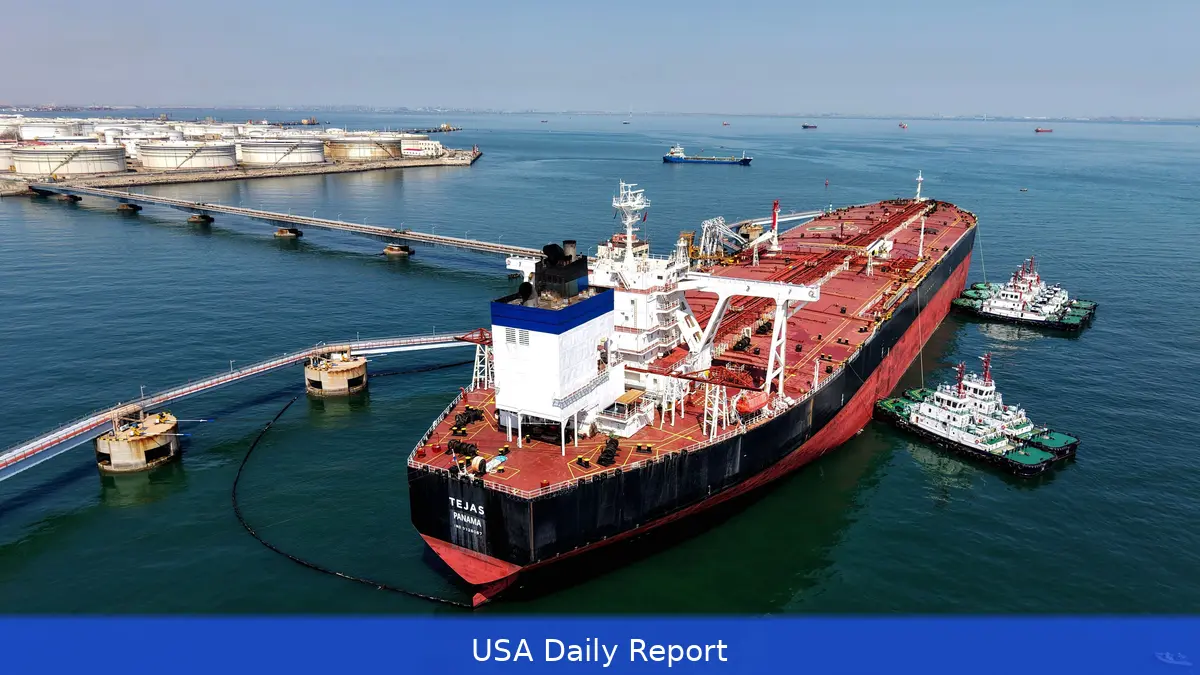
Brent crude oil prices plunged nearly 15% after the US and Iran agreed to a two-week ceasefire, including reopening the Strait of Hormuz. But don’t expect gas prices at the pump to fall overnight.
Ceasefire Brings Hope for Oil Market Stability
The US and Iran just announced a two-week ceasefire, and it shook up global oil markets right away. The deal includes reopening the Strait of Hormuz, a strategic chokepoint through which about a fifth of the world's petroleum passes daily. This passage had been threatened by rising tensions, raising fears of supply disruptions that pushed oil prices close to $120 per barrel earlier in the year.
On news of the ceasefire, Brent crude prices dropped sharply — down almost 15% to around $95 per barrel. This is a big move in a market that’s been on edge because of political tensions. The Strait of Hormuz’s reopening means ships can navigate safely again, easing the risk premium that had inflated oil futures.
What Does This Mean for US Consumers?
Gas prices in the United States have soared in recent months, with the average cost at the pump reaching levels not seen since the last decade’s spikes. But here’s the thing — while lower crude prices often translate to cheaper gasoline, the connection isn’t immediate or guaranteed.
There are a few reasons for this. For one, gasoline prices are influenced by refining costs, distribution, and local taxes, all of which don’t shift as fast as crude oil prices. Then there’s the fact that fuel prices are set by market expectations — traders and companies may wait to see if the ceasefire holds before adjusting prices downward.
Also, inventory levels in the US and worldwide affect prices. If stockpiles are low, even falling crude prices might not bring relief quickly.

And with global demand rebounding as economies reopen from pandemic restrictions, the pressure on fuel supplies remains high.
Broader Economic and Political Stakes
This ceasefire might ease US-Iran tensions, which could impact more than just energy markets. For years, tensions in the Middle East have weighed on global economic confidence, especially in energy-dependent sectors.
When oil prices drop, it can help lower inflation in the US since fuel costs affect the price of goods and transport. That could provide some breathing room for the Federal Reserve as it balances efforts to tame inflation without tipping the economy into recession.
But the ceasefire only lasts two weeks for now. The short window makes people wonder about the durability of the peace and whether it will lead to longer-term negotiations. Markets usually respond fast to news like this but can reverse course if things get worse.
Looking Ahead: Will Fuel Prices Drop?
If you’re hoping for cheaper gas soon, you’ll need to be patient. The drop in oil prices is promising, but fuel costs are sticky. It takes time for wholesale price changes to filter through to consumers, especially with seasonal factors like summer driving season pushing demand up.
If the ceasefire lasts and tensions calm down, we might see steadier oil prices and cheaper fuel later on. That could help households struggling with high energy bills and businesses coping with rising transportation costs.
But if fighting starts again or sanctions stay, prices could shoot back up fast. So, the situation remains fragile.
The price drop is hopeful, but it’s too early to tell how much drivers will save soon.
Related Articles
The US-Iran ceasefire has sent a powerful signal to oil markets, cutting crude prices significantly by easing fears over supply disruptions. But for US drivers, the impact on fuel prices will take time to materialize. The next few weeks will be critical in determining whether this fragile peace can bring lasting relief to energy costs.
This article was created with AI assistance.


