
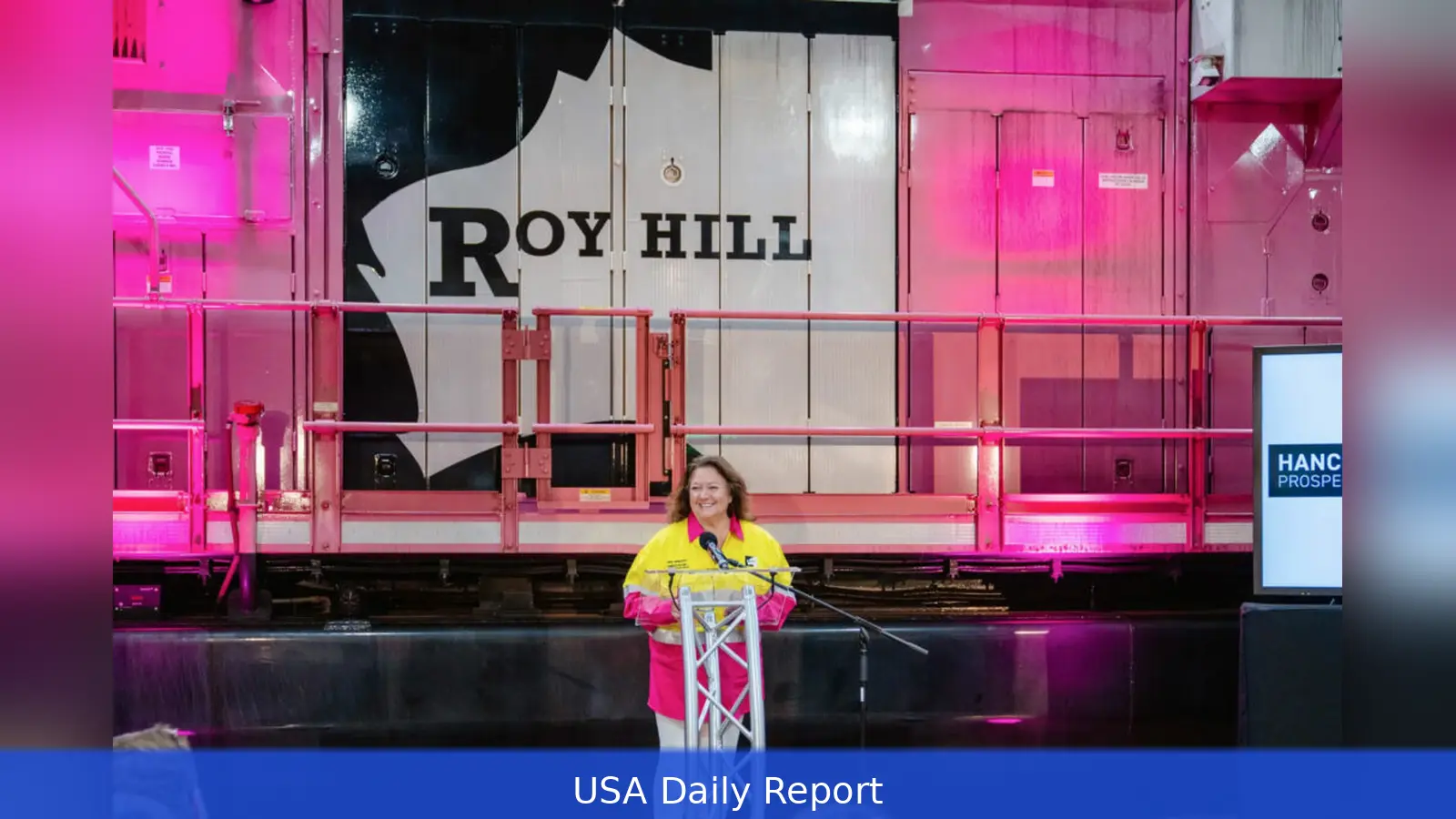
Gina Rinehart must hand over part of her mining wealth. A court found disputes over how mining rights were moved from a family trust.
Court finding and competing accounts
Gina Rinehart, long described as Australia’s richest person, was challenged in court by members of her family over who should benefit from long-held mining interests. Her lawyers told the court she had transferred rights out of a family trust after becoming suspicious of her father’s business dealings. Her children countered that the shift was intended to deny money to their father’s second wife and former housekeeper, Rose Porteous.
The legal fight boils down to whether those transfers were proper estate planning or a way to exclude other beneficiaries. Look, the argument may sound personal. But the dispute turns on legal definitions of trust control and the obligations of those who manage family wealth.
What the court decided, in effect, was that at least part of the contested wealth ought to be shared with the trust’s beneficiaries. The ruling didn't erase the family feud — it formalized a remedy that forces an adjustment in how assets are allocated.
For the family involved, the decision ends one chapter and opens another: more accountings, more legal steps and likely financial redistribution.
This case serves as a warning for wealthy families who use trusts to manage and protect their assets. Moving assets between entities to put them beyond the reach of certain beneficiaries is a tactic that courts will now scrutinize more closely.
Why the decision matters beyond the family
At first, it seems like just a family dispute among billionaires.
Sure, it's personal. But the fallout could affect corporate governance, investor confidence, and how big fortunes are handled in mining economies.
Trust arrangements are common where natural-resource wealth is involved. They shape who gets paid, when and how much. If courts are more willing to unwind transfers that appear designed to cut beneficiaries out, trustees and family executives will probably change how they document decisions and formalize motives.
That matters to investors. When ownership of mining rights becomes the subject of long-running litigation, the uncertainty can complicate deals, slow permitting or cloud valuations. International investors who hold stakes in Australian miners or funds that include Australian resource assets could see governance risk rise.
And while the case is focused on a particular family and set of assets, it raises broader questions about the enforcement of beneficiary rights in jurisdictions that host large extractive industries. Regulators and institutional investors pay attention when high-profile rulings shift the legal ground.
Potential ripple effects for commodity markets and companies
Australia is a major supplier of minerals used worldwide.

So any legal action that unsettles the owners of major mining rights could affect investor perceptions of supply reliability. Markets aren’t mechanically tied to one lawsuit, but persistent uncertainty at the asset level can change risk premiums.
US investors with exposure to global mining companies often price in governance risk. If similar disputes pop up elsewhere, funds may demand stronger disclosures or discount valuations for assets with contested ownership. That raises the cost of capital for some projects and can slow new investment.
Still, one family law case probably won't disrupt commodity supplies right away. The likely near-term impact is indirect: higher due diligence standards, more conservative valuations and tougher governance checks by institutional investors. Over time, though, repeated rulings like That could nudge how mining assets are structured and financed.
Political and reputational stakes
High-profile wealth disputes also play out in public debate. Wealth concentration, tax arrangements and the opacity of private trusts are already topics of scrutiny in Australia and around the world. A court ordering a billionaire to share part of her fortune with family beneficiaries feeds into those conversations.
For politicians and policy makers, court cases don’t automatically translate into new laws. But they can accelerate reform momentum and prompt calls for clearer rules around trusts, transparency and related-party transfers. Corporate critics and some civic groups may use the ruling to press for changes in oversight of family-controlled resource interests.
At the same time, firms that operate in extractive sectors often rely on stable relationships with local communities and governments. Reputation matters when companies seek approvals or social license to operate. A messy public dispute over who benefits from resource wealth can make stakeholder management harder.
Legal precedent and trustees’ duties
Legal experts will study the ruling closely to understand what it means for trustees’ duties and estate planning. Courts typically weigh intent, documentation and whether transfers were made to deliberately disadvantage beneficiaries.
What the family case shows is that courts will examine both the form and the substance of transfers. Documented reasons — such as protecting assets from perceived mismanagement or external threats — need to match the facts the court finds. If they don’t, judges can recharacterize the transfers and order remedies.
That matters for professionals who advise wealthy families: lawyers, accountants and trustees. They’ll likely tighten documentation, add clearer conflict-of-interest checks and recommend governance protocols that are defensible in open court.
How this touches the United States
The decision's direct legal force is limited to Australia.
But US investors and companies aren't immune from the knock-on effects. Many American pension funds, asset managers and mutual funds hold shares in global miners and exchange-traded funds with Australian exposure.
Higher governance risk in a resource jurisdiction tends to prompt fund managers in the US to request extra disclosure or to re-evaluate holdings. For US banks and private-equity firms that finance resource projects, legal uncertainty at the ownership level raises underwriting scrutiny and can nudge deal terms.
Plus, supply chains for critical minerals are global. If investor caution slows certain projects or raises financing costs, developers may delay capacity expansions that feed downstream manufacturing. US firms that rely on reliable mineral inputs could feel those effects indirectly — through pricing or supply timing.
Finally, high-profile cases shape public perceptions. US audiences and policy makers watching how wealthy individuals steward resource-generated wealth may press for more international coordination on transparency and governance in extractive industries.
What's next for the family and the sector
The ruling compels adjustments between family members but also sets expectations for how similar disputes will be treated going forward. Court-mandated sharing of assets may lead to negotiated settlements, restructuring of holdings, or additional litigation as parties put in place the decision.
For the wider mining sector, companies and advisors will watch whether the ruling encourages more challenges to transfers that appear designed to exclude beneficiaries. That, in turn, could influence the documentation and governance frameworks that underpin major resource assets.
One sentence captures a human truth here: fortunes built on mines and minerals often bring family complexities that courts are asked to untangle. How judges sort motive and form will keep shaping how big resource wealth is held and shared for years to come.
Related Articles
Her children argued she had shifted the mining rights to keep money from his second wife and former housekeeper Rose Porteous.
This article was created with AI assistance.


