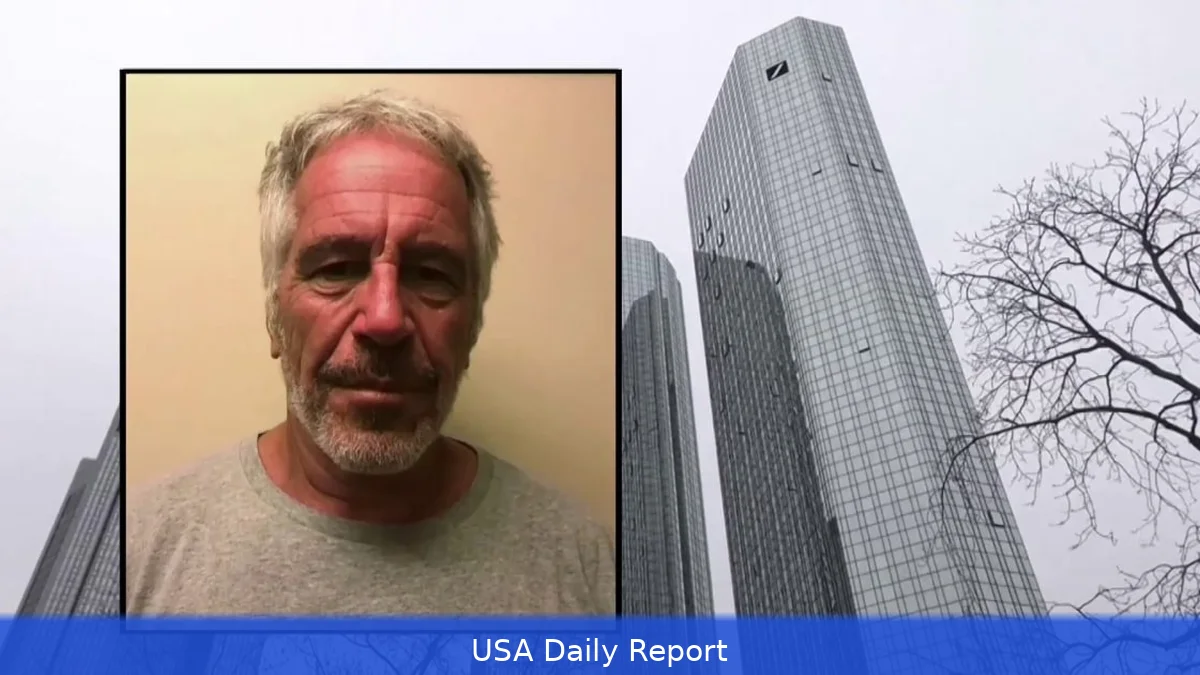
Bank of America is set to pay $72.5 million to survivors of Jeffrey Epstein following allegations it ignored warning signs tied to his financial activities. The deal, preliminarily approved by a federal judge, could benefit up to 75 women who say the bank helped legitimize Epstein’s abuse through its business dealings.
Settlement Moves Forward Amid Legal Scrutiny
In a New York courtroom last Thursday, U.S. District Judge Jed S. Rakoff gave preliminary approval to Bank of America’s proposed $72.5 million settlement with survivors of Jeffrey Epstein’s sexual abuse. The judge has scheduled a final hearing for August 27 to decide whether to give the deal full approval. Ahead of that, Judge Rakoff requested a broader outreach plan to notify potential claimants, emphasizing that "nobody is left out" of the compensation process.
The lawsuit, filed in October, accused Bank of America of knowingly providing financial support and a veneer of legitimacy to Epstein’s operations. The claim centers on the bank’s alleged failure to file suspicious activity reports despite numerous red flags linked to Epstein’s excessive cash withdrawals and financial transactions. Such reports are required by law to flag potential illegal activity, including money laundering or the financing of illicit acts.
Attorney Stacy Schneider highlighted how Epstein’s high-volume cash withdrawals should have triggered bank scrutiny. "Jeffrey Epstein apparently had so many excessive high cash withdrawals that it was causing some suspicion with the banks," Schneider said. "What happens when someone is doing excessive cash withdrawals is the bank is required to file an SAR, which is a suspicious activity report." The suit argues Bank of America ignored these obligations, thus enabling Epstein’s continued abuse.
Context Within Broader Financial Settlements
This settlement marks the third major payout from a financial institution linked to Epstein. In 2023, JPMorgan Chase agreed to a nearly $300 million settlement with Epstein’s victims — a deal made without admitting any wrongdoing. Deutsche Bank reached a separate $75 million settlement, admitting to a “critical mistake” in accepting Epstein as a client but denying intentional misconduct.
Epstein’s intricate web of wealth has puzzled lawmakers and investigators. House Oversight Committee Chairman James Comer expressed uncertainty about how Epstein amassed such vast resources. "One question everybody has is, ‘How did Epstein accumulate so much wealth?' And I don’t know. I don’t think anyone does," Comer said.
At the same time, congressional investigations continue to unravel Epstein’s financial and social connections. Last month, lawmakers questioned Richard Kahn, Epstein’s former accountant, to uncover ties to wealthy individuals who may have supported Epstein’s operations. Rep. Suhas Subramanyam summarized the effort: "We're starting to hear more information about the infrastructure around Jeffrey Epstein that enabled him to commit these crimes and, and do the things he did."
Survivors’ Legal Battle and Compensation Efforts
Lawyers representing the survivors estimate that between 60 and 75 women could file claims to receive payments from the Bank of America settlement fund. Attorney David Boies noted there might be more victims who have yet to be identified or come forward. The settlement aims to compensate those harmed by Epstein’s trafficking, even if full justice may be out of reach given the scale of the abuse.
Judge Rakoff acknowledged the limitations of compensation but stressed the survivors' right to receive payments from anyone who knowingly or recklessly helpd Epstein’s crimes. “While it’s perhaps extremely likely that the victims of Jeffrey Epstein’s monstrous acts can never be fully compensated, the victims are entitled to receive just compensation from any person or entity that knowingly, recklessly or otherwise unlawfully helpd his sexual trafficking,” the judge said during the hearing.
Bank of America, for its part, maintains it didn't help Epstein’s trafficking. The bank issued a statement standing by its previous legal filings but said it wanted to resolve the matter and provide closure for the plaintiffs.
Implications for Financial Institutions and Oversight
The Epstein cases highlight the challenges banks face in monitoring clients with suspicious activity, especially when those clients wield significant wealth and influence. This lawsuits suggest that some banks may have turned a blind eye to warning signs to retain valuable customers.
Federal laws require banks to file suspicious activity reports to prevent crimes such as money laundering and trafficking. Epstein’s case makes people wonder about how rigorously these requirements were enforced and whether banks fulfilled their legal and ethical duties.
These settlements might force banks to tighten their compliance and due diligence. They’re also putting more pressure on regulators and lawmakers to keep a closer eye on how banks deal with risky clients.
With investigations still underway into Epstein’s finances, we might find more holes in the system that let his abuses go on for so long.
The Bank of America settlement adds a new chapter to the long legal fight over Epstein’s crimes, but we still don’t know how his money moved through the system without being stopped. The August hearing will test whether more survivors come forward to claim their share of the $72.5 million fund.


