
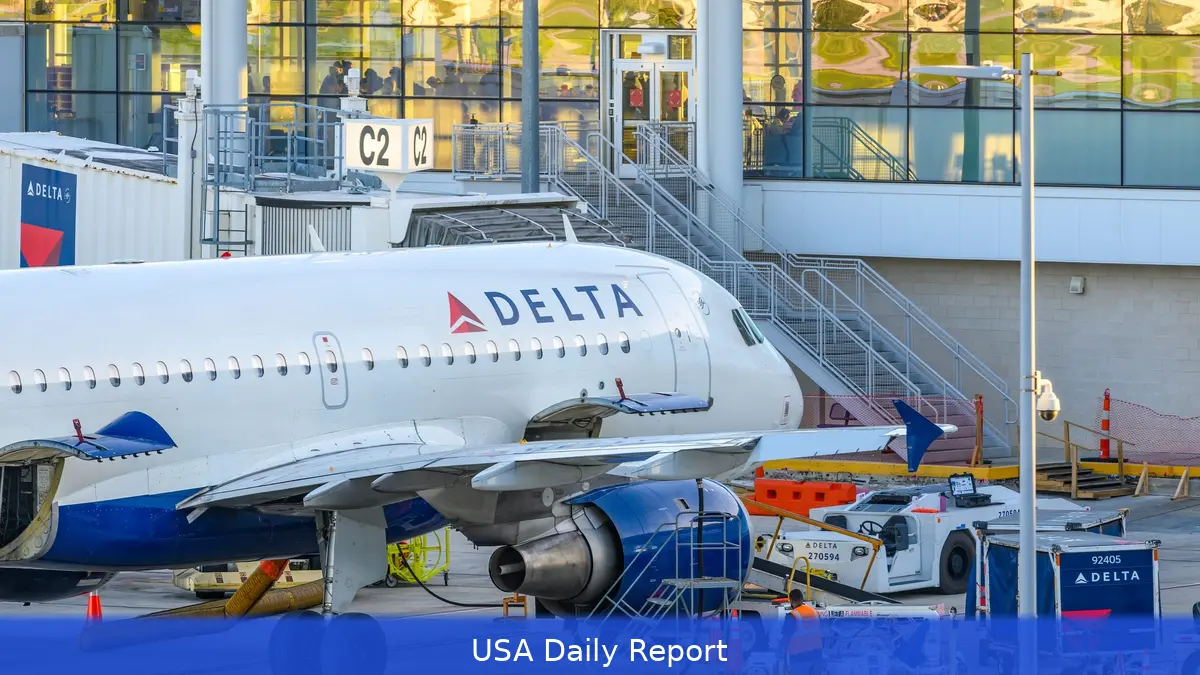
Delta Air Lines is dialing back its expansion plans as jet fuel prices hit new highs, but its refinery near Philadelphia is about to deliver a crucial $300 million profit boost this quarter. The airline’s unique fuel strategy is turning heads as it faces one of the toughest cost environments in years.
Fuel Costs Force Delta to Rethink Expansion
Jet fuel prices have skyrocketed since late February, driven by geopolitical tensions in the Middle East. Delta’s CEO, Ed Bastian, confirmed the airline will "meaningfully reduce" its capacity growth over the next few months as soaring fuel expenses bite. The airline expects its fuel bill to jump by $2 billion this quarter alone, a staggering increase that's forcing tough decisions.
Delta’s move marks a sharp turn from earlier in the year when many carriers planned aggressive capacity increases to meet rebounding travel demand. But the steep spike in fuel prices — jet fuel costs have jumped nearly 88% since the end of February — has airlines scrambling. Delta joins United and JetBlue in trimming flights and boosting fees, including checked bag charges, to offset higher overhead.
"Demand remains strong," Bastian said, "but the environment is uncertain." Travelers seem ready to pay more, especially for premium seats, but it’s unclear if that will last if prices keep rising.
Strong Earnings Despite Headwinds
Delta’s first-quarter earnings report revealed better-than-expected results, suggesting resilience in a tough market. The airline posted adjusted earnings per share of 64 cents, beating Wall Street’s estimate of 57 cents.
Revenue came in at $14.2 billion, slightly above forecasts.
Still, the company forecast flat capacity year-over-year for the second quarter, a clear sign the era of rapid growth is on pause. Revenue growth will probably be in the "low teens" percentage-wise compared to last year — outpacing the roughly 10% rise analysts predicted — but the cost pressures remain immense.

"We don’t know where fuel prices are headed," Bastian told reporters. "But if prices stay high, our refinery will keep helping us." That refinery, acquired in 2012 near Philadelphia, sets Delta apart from its competitors by allowing it to refine crude oil into jet fuel and other products internally.
Refinery Profit Provides a Rare Silver Lining
Delta’s refinery will probably add about $300 million to pretax profits in the second quarter, a major financial cushion amid rising expenses. The airline projects an overall pretax profit of $1 billion for the quarter, despite the doubling of fuel costs.
Fuel costs usually make up a huge part of airline expenses, so Delta’s refinery gives it a rare edge. Delta’s ability to process crude oil into jet fuel internally shields it somewhat from market volatility and supply chain shocks.
Thing is, industry data backs up the severity of the fuel cost surge. Airlines for America, an industry group, reported that jet fuel prices in major U.S. Hubs jumped nearly 88% from late February through early April. Delta expects to pay about $4.30 per gallon for fuel in the second quarter, a steep increase compared to recent years.
Uncertainty Clouds Full-Year Outlook
Despite the challenges, Delta isn’t revising its full-year earnings forecast just yet. The airline predicted potentially record profits back in January, though Bastian acknowledged that fuel price volatility makes projections difficult.
"We’re watching the impact of fuel prices closely," he said. "We’ll update guidance as we get more clarity." The war in the Middle East and its ripple effects on oil markets add layers of unpredictability to the airline’s financial outlook.
Delta’s approach mirrors the wider industry trend of careful adjustments due to rising costs. Airlines worldwide are grappling with how to balance capacity, pricing, and customer demand while fuel costs soar. Many have introduced fuel surcharges or raised ticket prices, but it’s unclear how long passengers will absorb the increases.
What This Means for Travelers and Investors
For passengers, Delta’s slower growth might mean fewer flights and higher prices, especially with airlines hiking fees to cover costs. Meanwhile, investors might find some comfort in the refinery’s contribution to Point is, which softens the blow of fuel inflation.
By adjusting operations and using its refinery, Delta might handle the volatile market better than other airlines. Still, the airline remains exposed to external shocks, including fuel price swings and geopolitical risks.
As Bastian put it, the big question is whether strong travel demand holds if costs keep climbing. For now, Delta’s approach is a mix of caution and leveraging its refinery edge — a balancing act that will shape its performance in the months ahead.
Related Articles
- Fed signals patience, projects one cut in 2026
- UAE Leaves OPEC — Saudi Arabia Picks Up the Slack
- Three risks that could push the Fed to pause
Delta’s refinery profits and capacity cuts show how airlines are coping with one of the toughest cost environments in years. But with fuel prices still unsettled, the industry’s next moves remain uncertain.
This article was created with AI assistance.


