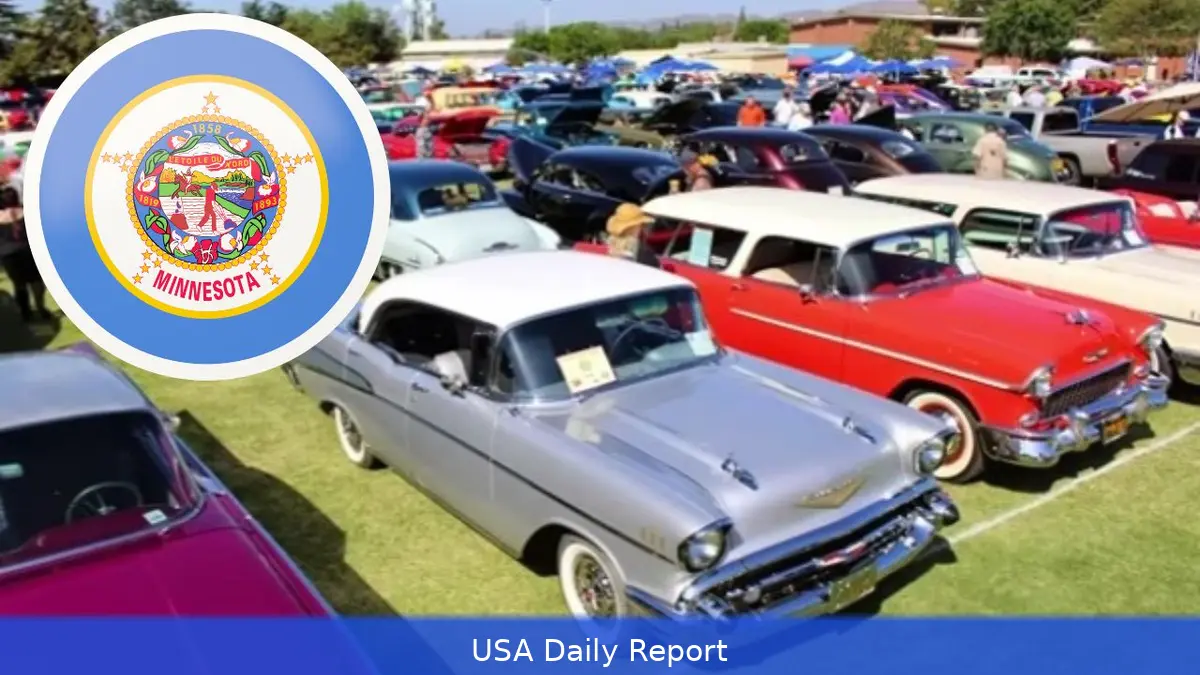
Minnesota might soon impose stricter rules on classic car owners, restricting when and where they can take their prized vehicles out. The bill HF 3865 looks to change what’s considered acceptable use for collector vehicles in Minnesota, and many car enthusiasts are upset about it.
What the New Law Proposes
At first glance, HF 3865 might look like a simple update to Minnesota’s collector car rules. But the bill, introduced in March 2026 by State Representative Meg Luger-Nikolai, goes way beyond tweaking paperwork. It sets strict boundaries on when classic cars can hit the road, narrowing what owners have enjoyed for decades.
The law lumps together all kinds of vintage vehicles — from classic cars and street rods to military vehicles and motorcycles — under one umbrella. It says these rides can only be driven during daylight hours on Saturdays and Sundays, or when they’re part of official events like parades, exhibitions, or club activities.
So, if you like cruising on a random weekday evening or meeting up informally with other enthusiasts, you could be out of luck. The bill leaves little room for those casual drives that many say are central to collector car culture.
In short, the legislation puts tighter limits on classic car use. While Minnesota has long banned classic cars from daily use, this bill adds a schedule that restricts weekend and nighttime driving, which hasn’t been clearly spelled out before.
Why the Change?
Supporters say the bill clarifies the confusing parts of the current law. Right now, Minnesota’s rules say collector cars can’t be used for general transportation, but don’t clearly define what’s okay beyond that.
That’s led to inconsistent enforcement — some owners get hassled for activities others do freely.
Lawmakers argue that by defining permitted uses and times, they protect the spirit of collector car registration. The goal is to prevent people from abusing these special plates to dodge regular vehicle registration fees and rules.
Critics argue the bill is really an attempt to discourage owning and driving classic cars. They point out that the bill’s restrictions strip away the freedom that makes owning a vintage vehicle fun in the first place.
“Most collector car owners don’t just go to shows or parades,” said one classic car enthusiast. “We drive our cars whenever we want, enjoy the restoration work, and take part in the community. This bill cuts that down to bare minimum hours.”
Impact on Minnesota’s Car Culture
Classic cars aren’t just old vehicles; they’re pieces of history and a hobby that connects people. Minnesota has a strong scene of vintage car collectors who treasure weekend drives, evening cruises, and spontaneous meetups.
Limiting driving to daylight hours on weekends and official events could seriously cramp that lifestyle. Evening cruise nights, a staple in many car communities, would be off-limits under the new rules. So would weekday drives, even if they’re just for the joy of it.
Collectors also worry about enforcement. The language of the bill leaves some gray areas, potentially exposing owners to fines or legal trouble for innocent outings. The line between casual driving and illegal use could get blurry fast.
On top of that, the bill’s broad definitions mean it applies to nearly every type of collector vehicle, from muscle cars to military jeeps and classic motorcycles. That’s a big shift from previous rules that focused mostly on prohibiting general transportation.
Minnesota Joins a National Trend
Minnesota isn’t the only state making changes like this.
Other states like California are also revisiting classic car laws. California’s recent proposals, for instance, emphasize that collector cars shouldn’t be used as primary transportation and focus on exhibition-only use.
Still, Minnesota’s restrictions are seen as particularly tight. The ban on nighttime driving on weekends stands out, as does the near-total ban on weekday use except for club activities or events.
These changes come amid rising worries about emissions, road safety, and fairness in regulations. Lawmakers want to balance preserving classic car culture with modern rules and environmental goals.
But for many owners, the changes feel like a step backward. The joy of owning and driving a classic car isn’t just about showing it off — it’s about experiencing the open road, whenever the mood strikes.
Governor Walz’s Role and Public Reaction
Governor Tim Walz, a known classic car fan himself, will have the final say if the bill passes the legislature. Walz owns a 1979 International Harvester Scout and has shared moments of his car life publicly, including lighthearted videos with his family.
His connection to car culture makes The decision all the more interesting. Will he side with the strict new regulations or the passionate owners who fear losing their freedom to drive?
The public reaction is mixed, but many collectors are clearly frustrated. Online forums and social media have lit up with debates, memes, and calls to action, as classic car lovers rally to protect their rights.
One viral clip even showed Walz joking with his vegetarian daughter about corndogs and turkey at the Minnesota State Fair, capturing the warm, down-to-earth persona that many find relatable. That “dad energy” has earned him fans, but the classic car law might test his relationship with his own car community.
Right now, the bill is with the Transportation Finance and Policy committee, where it might be changed. The outcome could reshape the way Minnesotans enjoy their collector vehicles for years to come.
Related Articles
- Los Angeles Battles Record Surge in Flea-Borne Typhus Cases: What You Need to Know
- Man Fined After Trespassing Into Viral Pygmy Hippo Enclosure at Thai Zoo
- Medieval Revival Meets Modern Tech: How Fashion and Digital Culture Reignite an Age-Old Romance
As Minnesota debates HF 3865, classic car owners watch closely. Will their weekend drives and evening cruises become relics of the past? Or can the bill be softened to keep the spirit of car culture alive in the North Star State?


