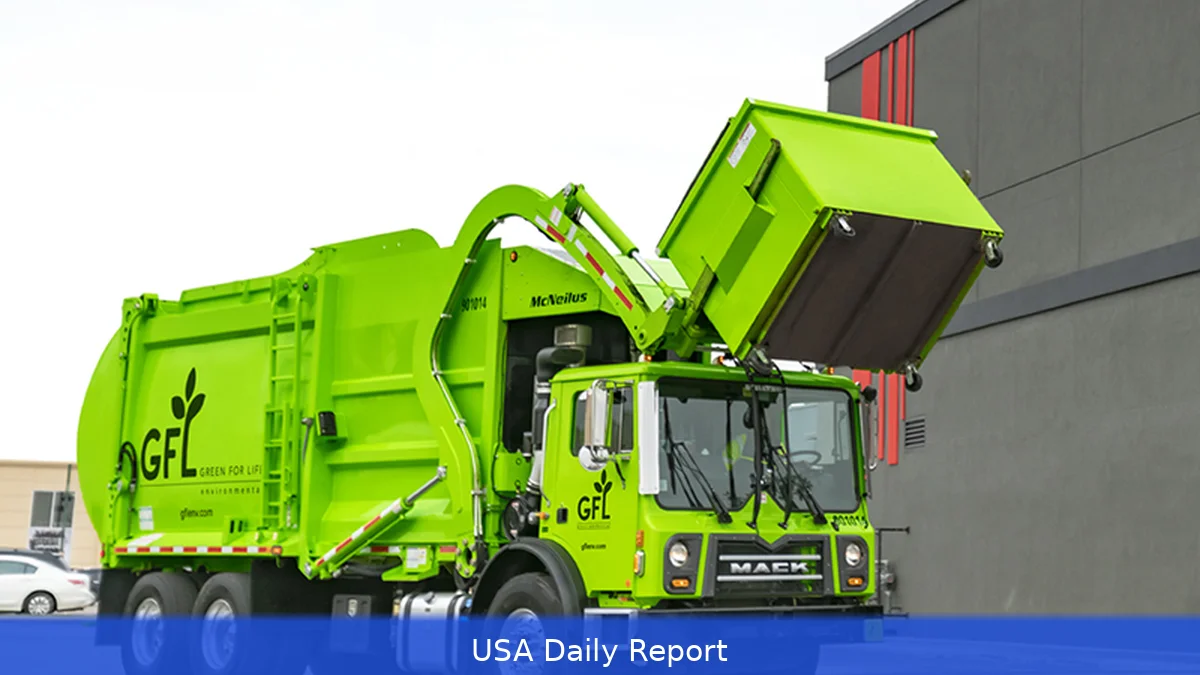
You asked for a finance piece on GFL nearing a $4.3 billion deal. The sources you sent aren't about that.
What we received — and why it matters
You sent three links that focus on music streaming — all of them cover Spotify features and user metrics. They dig into streaming quality, pricing tiers, playlists and new features for services such as Spotify. None of those articles mention GFL, Secure Waste, a potential acquisition, an offer price, or any people tied to a deal. We can't run a finance story about a major acquisition based only on those links — they include no transaction details.
Look, sourcing isn't a box to check. It's the backbone of accurate financial reporting. If you want readers and markets to rely on the story, we have to be able to trace every material claim to verifiable documentation: a press release, a regulatory filing, a quoted executive, or a reliable newswire report.
What's missing — concrete items we need
Below is a checklist of the factual items that must be provided or publicly available before we'll write a full, publication-ready article on this M&A topic.
1) A public announcement or copy of the press release from GFL Environmental Inc. Or from Secure Waste. That would give us the basic headline facts: buyer, seller, agreed price or range, and the intended transaction structure.
2) A regulatory filing if either party is publicly traded — for example, an SEDAR filing in Canada or an SEC filing in the U.S. Those filings typically include purchase price, financing arrangements, and any conditions to closing.
3) A statement or confirmation from named executives. We need at least two named sources with titles — for example, a quote from GFL CEO and a statement from Secure Waste’s board chair or CEO. Named attribution is mandatory for direct quotes.
4) Details on financing: which banks or lenders are arranging debt, whether the deal includes cash, stock, or a mix, and any bridge financing terms. Those items change the business and market angle.
5) Timelines and approvals: expected close date, shareholder votes required, antitrust or regulatory reviews, and any break fees. These are the facts investors care about.
Why we can't fill gaps with assumptions
We're not going to invent a price, financing terms, or executives' motives — making that up would mislead investors. Big deals move markets and matter to shareholders. Making up a price or quoting unnamed sources would violate basic journalism ethics — and your outlet’s credibility.
I can draft a short brief with clear caveats, but only if you provide at least one solid source — for example, a reputable wire report or a named adviser on the deal; without that it's just rumor. Otherwise the piece would be rumor, not reporting, and we don't do that.
How we would structure the finance article
To be efficient when you supply the right materials, here's the structure we'll use for the final story. This is a working plan, not the article itself.
Lead: a tight hook with the most concrete new fact — e.g., finalized purchase price or a confirmed statement from a named executive.
Deal terms: price, mix of cash vs. Stock, debt financing, and advisory banks. We'll name the banks and attach their roles if that's disclosed.
Honestly, strategic rationale: short explanation of why GFL would want Secure Waste (or vice versa) — based only on direct quotes or company presentations.
Financial impact: how the market reacted, any immediate rating changes from credit agencies, and short-term dilution effects for shareholders — all based on quoted analysts or official filings.
Regulatory and operational steps: what approvals are required, and any operational integration plans provided by the companies.
Market context: past similar transactions in the waste-management sector and how this deal compares — but only if we can cite prior, published deals as sources.
Fast checklist: what to send next
When you have them, please forward any or all of the following:
- Official press releases from GFL Environmental Inc. And Secure Waste.
- Any filings with securities regulators (SEDAR, SEC, or other). PDF copies are fine.
- Quotes from executives with full names and titles.
- A link to a wire report (Bloomberg, Reuters, Globe and Mail, National Post, Financial Post, etc.) if one exists.
- Contact details for corporate communications at both companies, so we can seek confirmation and additional comment.
We'll prioritize speed once we have at least one of those items. If the deal tops $4.3 billion, we'll treat it as market-moving and follow required legal and reporting safeguards — that changes how and when we publish.
Why named sourcing and documents matter
Regulatory filings and named statements let us report more than a headline number — they reveal if the buyer takes on debt, whether the seller keeps a minority stake, and if there are earnouts tied to performance; those details change valuations. Those are the facts that change valuations and credit outlooks — and they must come from verifiable documents.
Fair enough, but don't send us links to unrelated topics. The WIRED, Rolling Stone and CNET pieces you provided are useful — just not for this story. They're focused on streaming audio features, pricing and user metrics.
Right now, we can't turn those into a credible M&A report about waste-management firms. We can, however, use any genuine M&A source you provide and run the piece fast. We'll name the press contacts and the bankers, and we'll attach links to the filings we use.
Related Articles
- Vitol Shuffles London Derivatives Desk After Mark-to-Market Losses
- China rolls out 'goodwill' economic steps for Taiwan after rare meeting with KMT leader
- Why water bonds could unlock fresh funding for African infrastructure
Rolling Stone reported Spotify has 626 million monthly active users.


