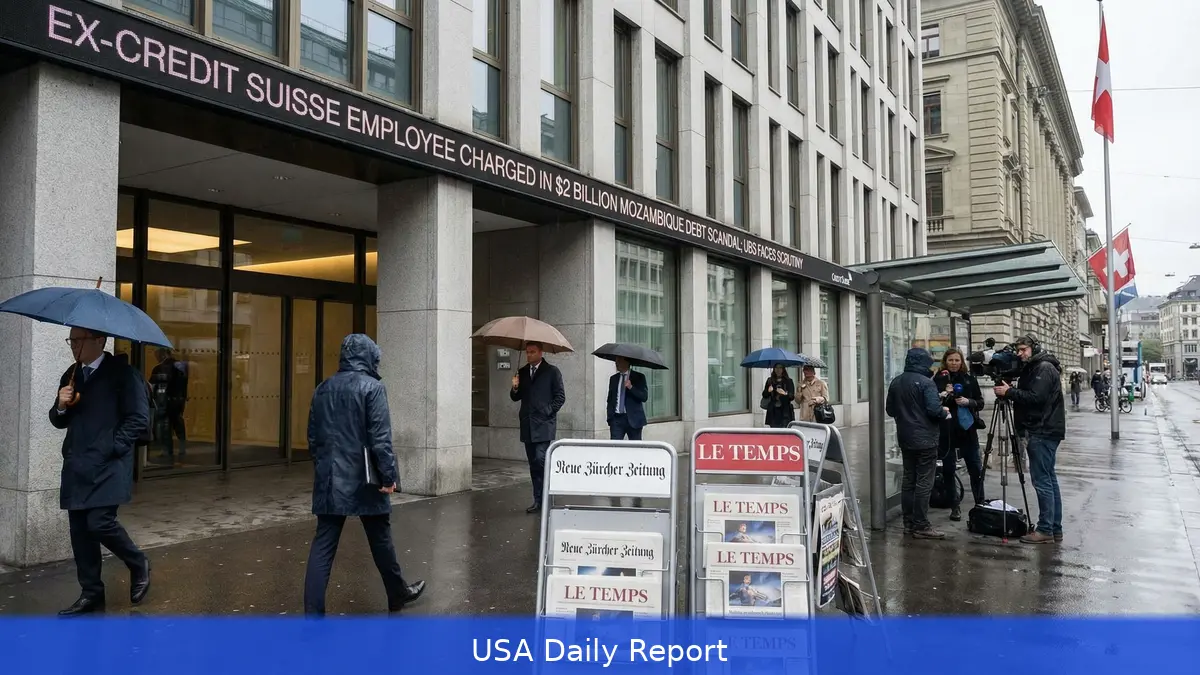
UBS is steering a major lending group that’s hit a pause in investor discussions amid a changing global debt market. Private credit spreads are climbing, which is making loan pricing tougher for borrowers after years of easier terms.
Private Credit Market Enters a New Phase
Loan spreads in private credit are widening sharply. Some deals now carry yields 50 to 100 basis points higher than what was common just months ago. That’s a big jump considering spreads hovered near decade lows throughout much of 2025. The shift marks a clear move toward more lender-friendly conditions after a long stretch dominated by borrower-friendly pricing.
Take the example of WWEX Group’s $4.8 billion loan package, arranged earlier this year. This unitranche loan, led by Ares Capital, priced at a hefty spread of 575 basis points over Libor. The deal brought together 33 lenders to back the buyout of WWEX, a global shipping and freight services player, which is set to merge with ecommerce shipping software provider Auctane Inc.
Another notable deal was Nexthink SA’s $750 million private credit loan, which priced at a spread of 550 basis points. The financing supports a buyout by Vista Equity Partners.
Insiders note that the Nexthink loan terms clearly favor lenders, with pricing much higher than what was typical a few months ago.
Survey data from LCD’s Q1 Global Private Credit Survey backs this up. In the last quarter of 2025, only 6% of respondents expected a plain-vanilla $50 million EBITDA loan in a non-cyclical sector to price at or above 550 basis points. That figure has jumped to 33% in early 2026. And many expect spreads to keep climbing in the months ahead.
Why Are Spreads Widening?
For years, private credit borrowers enjoyed a wave of repricing that pushed down their borrowing costs. That wave mostly ran out by mid-2025, as many had already refinanced into higher-priced debt. But the gap between supply and demand has kept pressure on new loan pricing. M&A and buyout activity has remained muted, limiting the flood of new deals.
Trade policy shocks have also played a role. For instance, in mid-2025, sharp tariff hikes by the Trump administration rattled markets and briefly widened loan spreads, especially in smaller deals. Larger corporate loans barely moved, but overall deal volume took a hit.
Now, fears about AI disrupting software companies and other economic headwinds are pushing lenders to demand higher premiums. Investors are demanding more compensation for future risks, and borrowers are beginning to feel the pressure.
UBS-Led Group’s Financing Talks Stall
Amid this backdrop, UBS is leading a consortium that had been working on a big financing package, reportedly tied to a global logistics and technology business. But investor talks have stalled, sources say, reflecting the cautious mood sweeping through credit markets.
Lenders are slowing negotiations as they rethink risk and pricing in this new spread environment. The pause reflects broader uncertainty about deal terms and valuations in the current climate. Investors are weighing whether to commit at higher spreads or wait for clearer signals on market direction.
While the UBS-led group initially attracted a wide array of lenders, the recent market shift has complicated efforts to finalize terms. The group faces pressure to increase loan pricing to satisfy investors, but borrowers push back against higher costs.
Broader Implications for Debt Markets
Right now, the UBS-led group’s stalled talks highlight a turning point for private credit.
The market is shifting from favoring borrowers to giving lenders more control over pricing. That could mean tougher borrowing conditions for companies seeking financing.
Lenders are more cautious these days, asking for higher spreads and tougher terms to balance the risks. The days of low-cost, easy-access private credit could be over for a while. Borrowers may need to adjust expectations and terms to get deals done.
Meanwhile, the broader economic outlook adds complexity. Inflation, geopolitical tensions, and technological disruptions contribute to uncertainty. Investors are less willing to take on risk without adequate compensation, pushing spreads higher.
On the flip side, higher spreads may attract new capital to private credit as yields become more attractive relative to other fixed income options. That could help stabilize the market once price discovery settles.
This shift shows just how fast market conditions can turn. Just months ago, the private credit space was marked by record-low spreads and intense competition among lenders. Now, the pendulum is swinging back.
Looking Ahead
Sure, market watchers will be watching the UBS-led loan talks closely. They’ll offer a window into how far spreads might rise and whether lenders can maintain discipline in a competitive market. Borrowers and sponsors will be testing their willingness to pay more for debt financing.
The next six months could see continued spread widening or a stabilization if macro conditions improve. For now, the pause in talks shows the market is recalibrating after a long period of easy credit.
Both investors and borrowers now face a new reality: pricing power has shifted, and risk appetites are changing fast. The private credit market’s next chapter is unfolding — with UBS’s group caught in the middle of this key transition.
Related Articles
- Fed Minutes Reveal Split Views on Inflation and Rate Moves Amid Iran Conflict
- Wall Street’s Stock Trading Hits Record High Amid Iran War Twists
- Oil Prices Drop Below $100 as Stock Futures Rally Amid Ceasefire Talks with Iran
UBS and its lending partners are dealing with a tougher loan market that’s already pushing spreads higher and deal talks into limbo. How this recalibration plays out will shape private credit for months to come.


