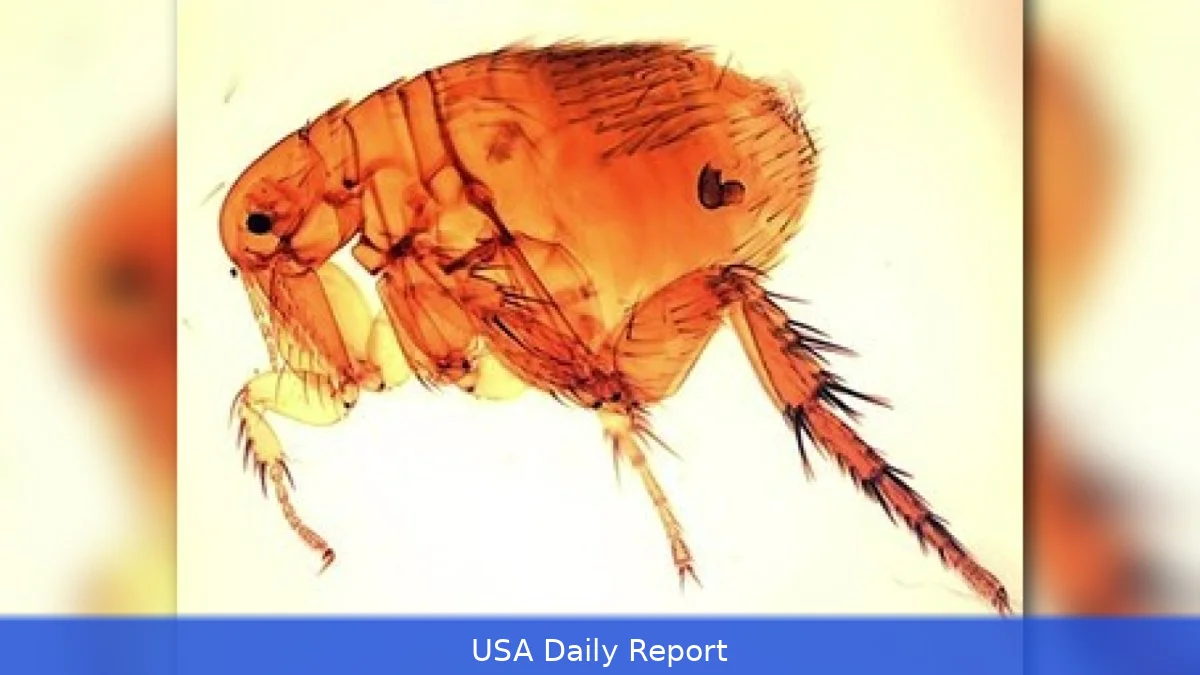
Los Angeles County saw 220 cases of flea-borne typhus in 2025—the highest number ever recorded. Nearly 90% of those infected ended up in the hospital, putting a spotlight on a growing health concern that many residents might not even realize they're at risk for.
The Rising Threat of Flea-Borne Typhus
Typhus isn't a disease that often makes headlines, but in Los Angeles, it’s becoming impossible to ignore. The county reported a record-breaking 220 confirmed cases in 2025, up from 187 just the year before. This jump isn’t small either—it signals a worrying trend that has health officials sounding alarms.
Point is, flea-borne typhus is caused by a bacterium called Rickettsia typhi, which fleas carry. These fleas usually hitch rides on animals like stray cats, opossums, and rats. When an infected flea bites a person, the flea defecates near the bite, and scratching that area can push the bacteria into the bloodstream. The result is an infection that can turn serious quickly.
It’s a disease that’s often overlooked, partly because the symptoms—fever, headaches, body aches, nausea, and rash—can look like the flu or other common illnesses. But unlike the flu, typhus can lead to severe complications if not treated early, sometimes involving multiple organ systems and, in rare cases, death.
Who Is at Risk?
What’s clear from recent reports is that this isn’t just a problem for a specific group.
People of all ages and backgrounds across Los Angeles County are getting infected. The risk is especially high for those living in neighborhoods where rodents and stray animals are common.
Areas like Santa Monica, Willowbrook, and parts of central Los Angeles have seen localized outbreaks.
But even if you don’t live in these hotspots, the risk is still there. Fleas can easily be carried indoors on pets that spend time outside. And the scary part? Pets can carry infected fleas without showing any signs of illness themselves.
“You can still be at risk of contracting the disease even if your pets seem healthy,” said Dr. Aiman Halai, a medical epidemiologist with the Los Angeles County Department of Public Health.
It’s a reminder that pets can unknowingly bring the threat inside your home.
Why Are Cases Climbing?
Several factors have pushed the number of typhus cases higher. One big reason is that urban environments like Los Angeles provide plenty of places for rodents and wildlife to live and thrive. Overgrown vegetation, cluttered yards, and unsecured trash bins create perfect habitats for rats and opossums, which carry infected fleas.
Warm weather also helps flea populations grow. The mild, consistent climate in Southern California means fleas don’t die off in winter like they do in colder regions. That means the threat persists year-round.
Plus, increased human interaction with wildlife and stray animals has made exposure more common. Feeding or handling stray cats might seem harmless, but it’s a quick way to come into contact with infected fleas.
Simply walking through a yard with overgrown bushes where opossums hide can expose you without you even knowing it.
Protecting Yourself and Your Pets
Here’s where it gets interesting—health officials say flea-borne typhus is preventable. It just takes a few smart steps to keep you, your family, and your pets safe.
First off, pets need year-round flea control. This isn’t just a summer thing. Using flea prevention products on dogs and cats can stop infected fleas from getting inside your home in the first place.
Avoiding contact with stray animals is another big one. Don’t feed or handle strays, and if you see sick or injured animals near your property, call animal control. Let the pros handle it.
Securing trash bins is a simple but effective way to keep rodents away. Make sure lids fit tightly and don’t leave food scraps exposed. Trimming overgrown plants and removing debris around your home also reduces hiding spots for wildlife and fleas.
Right now, it’s a good idea to seal any cracks or holes in your home’s foundation or walls to block rodents and opossums from sneaking inside. And when you’re outside, using insect repellent registered with the EPA can reduce your risk of flea bites.
Recognizing Symptoms and Seeking Treatment
Symptoms typically show up one to two weeks after a flea bite.
They include high fever, headaches, nausea, vomiting, body aches, and sometimes a rash. Because these symptoms overlap with many other illnesses, it’s easy to miss the connection to flea-borne typhus.
Still, quick action matters. Nearly 90% of people diagnosed with typhus in Los Angeles ended up hospitalized, showing how severe the illness can get if untreated. Early diagnosis and antibiotics, like doxycycline, can halt the infection and prevent complications.
If you’ve been around stray animals or noticed flea bites and start feeling sick with these symptoms, see a doctor right away. Don’t wait. The sooner the treatment starts, the better the outcome.
Related Articles
- Cost of Living in America 2026: State-by-State Comparison and Where Your Dollar Goes Furthest
- National Parks in America: A Complete Guide to the Best Parks and How to Visit
- Sound Transit’s 2 Line Crosslake Connection Launches, Boosting Regional Transit Network
Los Angeles is facing a flea-borne typhus surge that’s hard to ignore. With more cases than ever and most needing hospital care, protecting yourself and your pets is more urgent than ever. Simple steps like flea control, avoiding strays, and keeping your yard clean can make a big difference. The question is — will residents act before the next wave hits?


