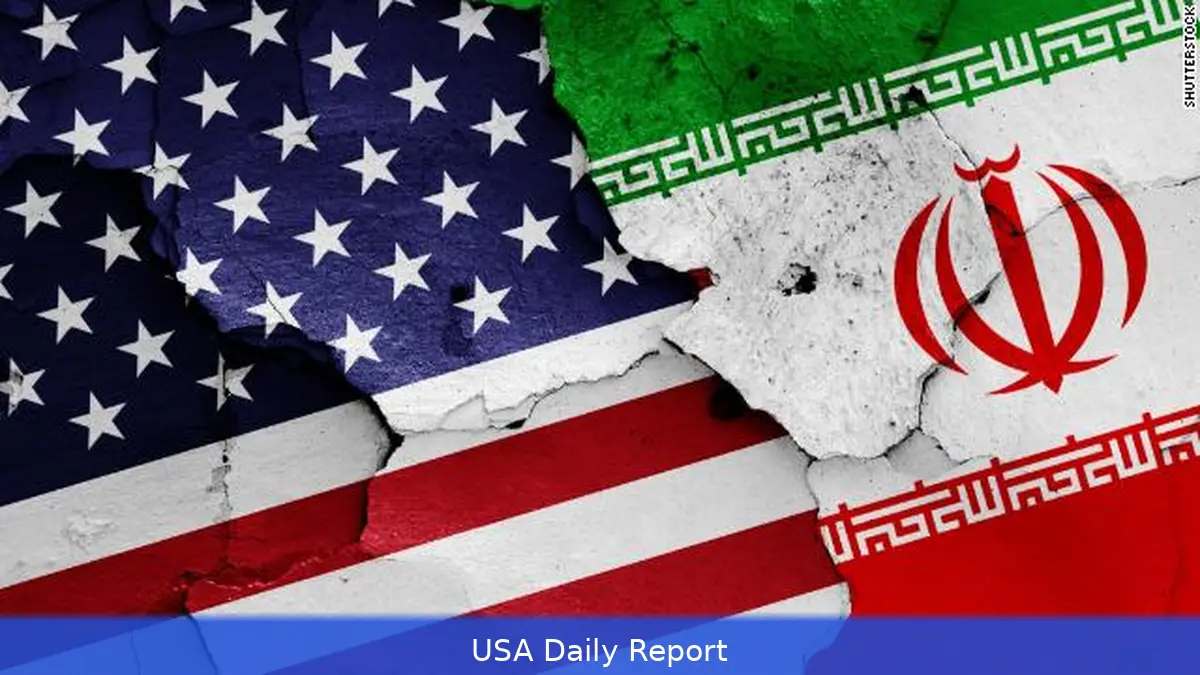
Gas prices in the US cracked the $4-a-gallon mark again last week, a level unseen since 2022. The spike reflects the ongoing conflict in Iran, which is disrupting oil supplies and pushing inflation higher just as the economy showed signs of strain.
Inflation Pressures Mount Amid Middle East Turmoil
Americans are feeling the pinch at the pump. The average price for a gallon of regular gasoline hit $4.02 nationally, an increase of more than $1 since the Iran war started. That’s the highest mark in nearly four years, and it’s fueling concerns that inflation could accelerate sharply in the months ahead.
So far, consumer confidence has only inched up slightly despite those rising energy costs. The Conference Board’s consumer confidence index rose to 91.8 in March from 91 in February. But while headline confidence nudged up, other indicators show growing unease. Consumers’ expectations of inflation over the next year surged to levels not seen since the peak tariff tensions of 2025.
Comments about oil prices, gas, and concerns related to the Iran conflict spiked in survey responses. Meanwhile, Americans’ views on short-term income, business conditions, and job prospects slipped, with the related index remaining well below the 80-point threshold usually seen as a recession warning.
Inflation Data Suggests Pressure Building
Government reports due this week will offer the first clear picture of how inflation fared in March, after the Iran conflict pushed oil prices higher.
Economists expect the core personal consumption expenditures (PCE) price index, which excludes volatile food and energy costs, to have risen 0.4% for the third consecutive month in February. That steady increase signaled that inflation was sticking even before the recent geopolitical shocks.
Looking ahead, the consumer price index (CPI) for March is forecast to jump by about 1%, marking the largest monthly increase since 2022. This jump largely reflects the surge in fuel prices, which have been roiled by attacks on Middle Eastern energy infrastructure and Iran’s effective closure of the Strait of Hormuz—a key artery for global oil shipments.
Oil prices briefly neared $120 a barrel last month, underscoring the scale of the disruption. OPEC+ warned that damage to energy assets in the region will weigh on supply for the foreseeable future, even after hostilities end, and approved only a symbolic increase in output quotas for April.
Supply Chain Scars and Economic Risks
The conflict is pushing fuel costs higher, but it’s also slowing traffic through the Strait of Hormuz. That’s likely to hike prices for other important goods like fertilizer and helium, which could affect the wider economy.
Economists warn that the war could leave lasting damage, causing prices for goods moving through the region to stay higher for a long time.
Investment research firm TS Lombard laid out three possible economic scenarios stemming from the supply chain fallout. One involves a temporary inflation spike followed by a recession, driven by sustained high oil prices squeezing consumers and businesses alike. Another warns of stagflation—a stubborn mix of high inflation and weak growth—similar to the economic malaise seen in the 1970s.
To make things more uncertain, AI might hurt the job market if companies use it to cut jobs instead of improving productivity when the economy grows.
Federal Reserve’s Tightrope Walk
All these factors complicate the Federal Reserve’s next moves. The Fed has already cut its benchmark interest rate three times to support a weakening labor market, but the spike in inflation and risks from the Iran conflict make further rate reductions unlikely anytime soon.
March’s strong job growth and a lower unemployment rate reinforce the Fed’s position. Minutes from the Fed’s March meeting, releasing midweek this week, are expected to shed more light on how officials view the inflation risks and geopolitical uncertainties.
With inflation staying high and the job market steady, the Fed has a tricky balancing act ahead. It must weigh the risk of choking off growth against the need to keep inflation in check, especially as rising energy prices threaten to spill over into broader price increases.
With inflation data due this week expected to show a sharp rise, the Fed’s challenge is clear: how to manage inflation risks fueled by global conflict without tipping the economy into recession.


