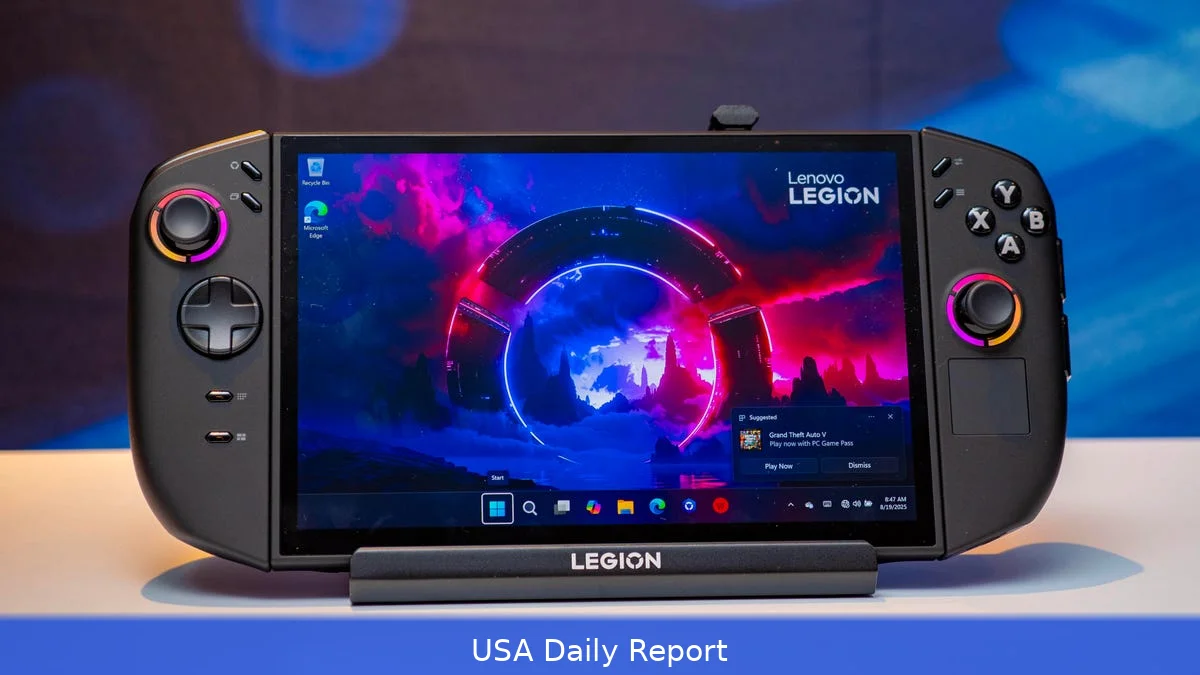
Lenovo’s Legion Go 2 handheld gaming device has reportedly become much more expensive, with prices rising by about $650 from the original. This price jump is causing ripples in the portable gaming market because rising RAM costs are hitting the whole industry hard.
Massive Price Hike Hits Lenovo’s Gaming Handheld
Lenovo launched the Legion Go 2 with some buzz, offering detachable controllers and a sharp display to compete in the handheld gaming space. Initially priced around $1,199, the device now suddenly costs about $1,850. That’s a huge leap — and it puts the Legion Go 2 at nearly double the price of its closest rival, the Microsoft/Asus Xbox Ally X, which starts at $999 and runs on the same AMD chip.
Why the jump? The culprit is the exploding cost of RAM. Tech insiders have started calling the surge in memory prices "RAMageddon," especially since gaming hardware is feeling the pinch. This isn’t just a Lenovo problem; it’s a widespread issue affecting manufacturers and consumers alike.
RAM Prices Send Shockwaves Through Gaming Hardware
Fast, high-capacity RAM is crucial for gaming consoles and handhelds to run demanding games without lag. But memory prices have soared recently due to supply chain disruptions and increased global demand. That push is forcing companies to either raise prices or scrap projects altogether.
Take Sony, for example. The PS5 recently saw a $100 to $150 price jump. Meanwhile, Ayaneo canceled its high-end Next 2 handheld, which was set to cost at least $1,999, citing storage and memory costs as "unsustainable." Another player, Retroid, dropped its 12GB RAM handheld model, simply because the price of memory made it impossible to keep selling at a reasonable price.
What This Means for Gamers and the Market
Lenovo’s price jump signals a deeper trend in the gaming hardware space.
It’s not just about better specs or new features anymore; the cost of components is reshaping what’s possible for portable gaming devices.
Still, the Legion Go 2 has some perks that justify a higher price tag—like its detachable controllers and an impressive screen. But at nearly $2,000, it’s hard to see it flying off shelves, especially when other powerful handhelds offer competitive specs for less.
Microsoft’s Xbox Ally remains steady for now, with Asus saying there’s no price hike on the horizon in the US. But given the direction things are heading, it might only be a matter of time before more prices climb.
Lenovo’s Future and the Handheld Gaming Landscape
The rising prices of Lenovo’s other handhelds highlight how widespread this issue is across the industry. PCWorld reported that Lenovo’s portable gaming devices have generally gotten pricier over time, reflecting the same cost pressures hitting the Legion Go 2.
Whether Lenovo can hold to its suggested $1,199 retail price for the SteamOS version of the Legion Go 2 remains uncertain. The company hasn’t commented on the recent price spike yet.
For now, gamers face a tougher choice. The dream of affordable, high-performance handheld gaming is slipping further away, thanks to RAM costs spiraling out of control. And that might change how people buy, play, or even think about portable gaming in the coming years.
The price increase for Lenovo’s Legion Go 2 clearly shows that the memory shortage is a serious problem changing the gaming hardware market.


