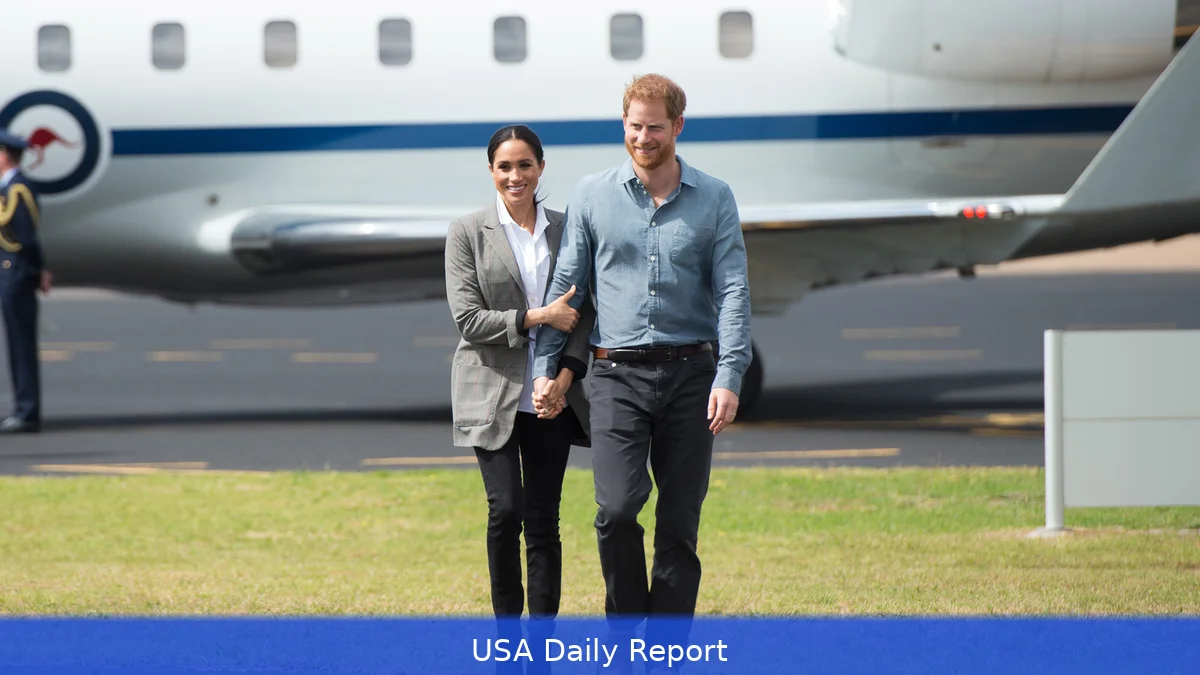
They're back in Australia — but not as royals. The couple are traveling as private citizens.
What's different this time
When Prince Harry and Meghan, Duchess of Sussex, visited Australia in 2018 they traveled as senior working members of the British royal family. The tone then was official: state engagements, royal ceremonies and events tied to the monarchy's duties.
Now it's different.
Look, the couple returned for a short, four-day itinerary that mixes charity visits with commercial-style appearances. Simon Atkinson, BBC News journalist, has pointed out the contrast between the two visits: the 2018 trip was public and ceremonial; the 2026 visit — carried out as private citizens — puts more emphasis on personal causes and paid work. The pair stepped back from official royal duties in January 2020 and surrendered their HRH titles, a change that matters for how host governments and organisers treat them.
Their new status changes how officials handle their visit, from approvals to press coverage and security arrangements.
The itinerary: charity work and commercial stops
The public schedule on this visit centers on visits to a children's hospital, meetings with military veterans and families, and time with survivors of family violence. Those stops reflect causes the couple has pushed since leaving full-time royal life.
Thing is, their trip also includes private, money-making engagements.
Since they’re no longer official royals, they can now accept paid talks and commercial gigs that weren’t allowed before. Balancing charity visits with paid events is just how their new roles play out. It also explains why organisers and charities often stress that the couple's visits are separate from government business.
Here's the thing — for charities, the presence of high-profile visitors brings immediate attention and donations. For event promoters and commercial partners, the couple's global profile can command fees and sell tickets or streams. But the arrangement can also complicate logistics: coordinating public-access hospital visits with ticketed, private events requires different security and media plans.
Political and diplomatic implications
How host governments treat Harry and Meghan matters. In 2018, official reception reflected a long-standing relationship between the United Kingdom and Australia — both constitutional monarchy and historic ties shaped protocol. Now those ties are less directly relevant to the couple's stopover.
And that shift matters for Australia in practical ways.
Australia has to be careful to welcome them without seeming to fund their private business. When former working royals visit as private figures, governments often draw a clearer line between state-sponsored events and private activities. That can mean different security arrangements and debates over who pays for what.
There are also political optics at play. Some Australian politicians and commentators track royal visits for what they reveal about domestic attitudes toward the monarchy and national identity. A privately funded trip by former working royals doesn't carry the same formal endorsement as a state visit, but it still sparks public discussion about the role of monarchy in a modern democracy. Whether that discussion matters to policy is up to local political dynamics; the visit mainly provides a focal point for public debate rather than a formal diplomatic exchange.
Economic effects and commercial considerations
Meghan and Harry have, since 2020, pursued media and commercial opportunities that generate revenue separate from royal funding. That business model affects how their travel is organised and financed.
Since they pay their own way, the government isn’t on the hook, and they can take paid gigs that official royals can’t. Events tied to advocacy groups or charities can draw new donors. Paid talks or partner appearances can bring in significant fees for promoters and venues.
Still, the blending of charity and commerce can create friction. Charities risk being associated with commercial partners or seen as piggybacking on celebrity.
Event organisers must juggle permission and access when visits include both open, hospital rounds and closed, ticketed sessions. Local economies can get short-term boosts — hotels, hospitality and local contractors see business — but there isn't a long-term guarantee those gains translate into sustained economic benefit for communities.
Their worldwide fame boosts the impact of their visits. Coverage in the U.K., the U.S. And elsewhere can raise the profile of causes and partners in ways that a typical visiting dignitary would not. That attention is valuable; it converts into donations, brand exposure and sometimes new contracts.
Why the United States should care
Lots of Americans follow news about Harry and Meghan. The couple's choices about travel, media and paid work form part of a broader, transatlantic entertainment and media economy — one where celebrity, politics and commerce often overlap.
That overlap has implications for U.S. Media and business players.
U.S. Platforms, talent agencies and production companies track celebrity-driven tours for partnership opportunities. A high-profile international stop can create downstream content, licensing opportunities, or paid appearances that involve U.S. Partners. For nonprofit groups in the U.S., shows of support or international attention can help fundraising campaigns and awareness drives.
On the political side, debates over whether the couple should receive public support during overseas stops echo American conversations about the role of celebrities in politics and charity. The U.S. Has its own norms for handling high-profile visitors and celebrity fundraisers; seeing how Australia and the U.K. Navigate these visits can inform domestic choices about security costs, public messaging and the boundaries between public duties and private business.
Finally, the couple's status shift from working royals to private citizens is a reminder that public figures increasingly straddle public-service appearances and commercial careers. Americans who follow transatlantic political culture get insight from how other democracies manage that balance — and how institutions respond when former officeholders or senior figures pivot to private enterprise.
Public reception and media coverage
Coverage of the visit will probably mix straightforward reporting of hospital and charity stops with scrutiny of private engagements. The couple's past media history — and the high level of public interest in their lives — guarantees attention across TV, print and digital outlets.
That attention has consequences. For charities, it can mean a spike in donations and volunteer interest.
For the couple, media coverage helps them shape their public narrative as advocates and entrepreneurs rather than as royal functionaries. But for host communities, the immediate effect is visibility.
Simon Atkinson’s reporting highlights that contrast plainly: 2018 was about the Crown; the current visit is about Harry and Meghan as a brand and as advocates for causes they champion. How audiences interpret that will vary by country, political leaning and cultural context.
So the visit is both familiar and new — familiar because the places they visit and causes they promote echo past trips; new because their role and funding have changed.
Related Articles
- Fertilizer shipments through Strait of Hormuz stall, deepening shortages across India
- Cameroon separatists say they'll pause fighting for Pope Leo's visit
- 86-Year-Old French Woman Detained by ICE After Moving to U.S. to Reunite with Long-Lost Love
The couple are traveling as private citizens and say the four-day visit is privately funded.


