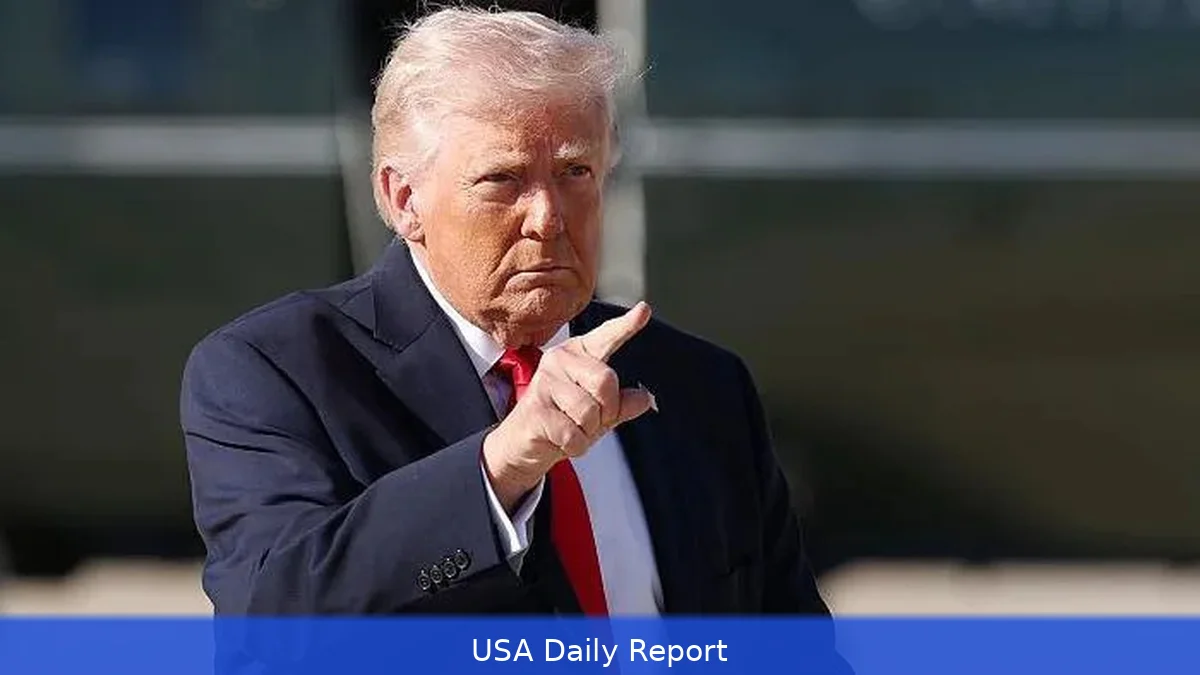
Trump warned he could block the Strait of Hormuz. That threat sharpened tensions. It didn't answer the hard questions.
What was announced and why it matters
Trump said he'd consider blocking ships through the Strait of Hormuz to squeeze Iran's oil income. The move targets Tehran's main export route. Look, it's a blunt option — and a dangerous one.
The strait is one of the world's busiest choke points for oil and gas. Any attempt to police or blockade it would touch ships from many nations, not just Iranian tankers. That makes the idea more than a regional stunt. It turns on global trade and the legal rules that govern maritime movement.
Military and operational headaches
But the announcement immediately raises operational questions. Who clears mines? Which navy escorts which ships? If the U.S. Or allied vessels move to enforce stoppages, they'll be in close proximity to Iranian forces. That's risky.
Mine-clearing takes time and puts sailors at real risk. It brings warships into areas where Iran has shown it can act aggressively. So military planners would have to weigh the chance of damage and escalation against the goal of blocking oil exports.
Legal and diplomatic puzzles
It's not just a tactical decision — international law protects innocent passage through straits used for navigation. Determining when a vessel is carrying Iranian oil, or has paid a toll to Iran, is messy.
Enforcement would force governments to make judgments on cargo, ownership and port formalities — often in real time.
Flagged ships make the problem a diplomatic one, too. Many tankers sail under flags of states far from the Gulf. Stopping a vessel registered to a third country creates diplomatic friction. Would the U.S. Use force against a foreign-flagged ship that ignores a blockade? If it did, reactions from those flag states would range from protests to possible retaliation.
Economic fallout and market signals
Trying to choke off Iran's oil would probably push prices higher — markets punish uncertainty. Traders would likely price in the chance of supply disruptions, and energy costs could rise worldwide. Countries that rely on Iranian crude — buyers that haven't cut ties entirely — would face higher bills.
This matters to the U.S. in two clear ways: higher oil usually means pricier gasoline and more inflation. Second, the U.S. Economy is tied into global trade; shocks to energy markets ripple into manufacturing and shipping costs. So even if the U.S. Doesn't directly buy Iranian oil, its consumers and businesses can still feel the sting.
How other governments might respond
Countries that rely on Iranian oil would face a hard choice: break a blockade, work around it, or search for new suppliers. Each option has costs. Finding alternative supplies can be slow and expensive. Buying through intermediaries risks legal and reputational trouble.
Neutral countries with large merchant fleets could get caught in the middle. Their governments would face pressure from both Tehran and Washington. That creates hard diplomatic choices and the possibility of a split in international enforcement efforts.
Regional consequences and escalation risks
In the Gulf, even small confrontations can spiral. A damaged tanker, an intercepted cargo, or a stray exchange of fire could prompt retaliation. That's partly because many actors there — state and non-state — have limited room for graceful withdrawal after they take a hit.
Military planners won't just worry about mines or escorts — they'll watch the message any action sends. Any enforcement action would send a message to allies and adversaries. It could deter Iran, or it could provoke a sharper response that further jams shipping lanes and raises tensions across the region.
Political landscape in Washington
The idea of blocking the strait appeals to some who want to squeeze Iran economically. But it forces elected leaders and officials to choose between a strong posture and the risks that come with it. Domestic politics will shape how far the U.S. Is willing to go.
Lawmakers who favor tougher measures will press for action. Others will worry about the costs — both financial and strategic. That split could leave the U.S. With a partial, inconsistent approach that satisfies few and angers many.
Longer-term strategic questions
There's also a strategic trade-off. Choking off a country's revenue can weaken its ability to pursue aggressive policies. But it can also harden resolve and push rivals toward covert or asymmetric responses. In other words, cutting an export line is a blunt instrument. It rarely solves underlying political disputes.
And history shows alternatives often work better: diplomacy, targeted sanctions with clear end goals, and coordinated pressure with allies. Those options can be slower. They also require international buy-in that a U.S.-led blockade might not secure.
Practical dilemmas for enforcing a blockade
Even if the U.S. And partners tried to enforce stoppages, they'd face identification problems. Oil changes hands in complex legal chains. Vessels routinely shift ownership on paper. That makes real-time policing difficult without broad cooperation from port states, insurers and cargo buyers.
Insurers play a role here. If insurance costs skyrocket for ships operating near the Gulf, shipping patterns would change. Carriers might reroute around Africa's Cape of Good Hope, adding time and expense. That would raise costs for global trade, including for American businesses.
Public messaging and credibility
Words matter: boasting without a plan will wreck credibility if you don't follow through. Conversely, a botched operation would damage credibility too. So governments have to balance rhetoric with realistic operational planning.
Frankly, it's easy to make a headline with a dramatic threat. Executing on it's the hard part.
Unanswered questions
How would the U.S. Determine who paid Iran a 'toll'? How would it handle vessels that ignore an interdiction? What safeguards would be in place to prevent accidental escalation? Those aren't small details. They're the core of whether a blockade is doable or merely symbolic.
And then there's the oil market: how high would prices go if shipping was disrupted? No one can say for certain. But the possibility of higher prices is enough to make buyers and policymakers nervous.
Still, supporters argue that cutting Iran's main revenue stream could reduce its ability to fund activities the U.S. Finds destabilizing. Opponents counter that the move risks broader conflict without guaranteed success. That's the trade-off at the heart of the debate.
Related Articles
- Iran urges supporters back to streets as Islamabad talks stall and Washington warns of blockade
- How Washington Could Turn a Fragile Ceasefire Into a Lasting Peace
- Talks Collapse Between Washington and Tehran After High-Level Meetings
Trump said he would consider blocking the Strait of Hormuz to choke off Iran's oil exports.


