
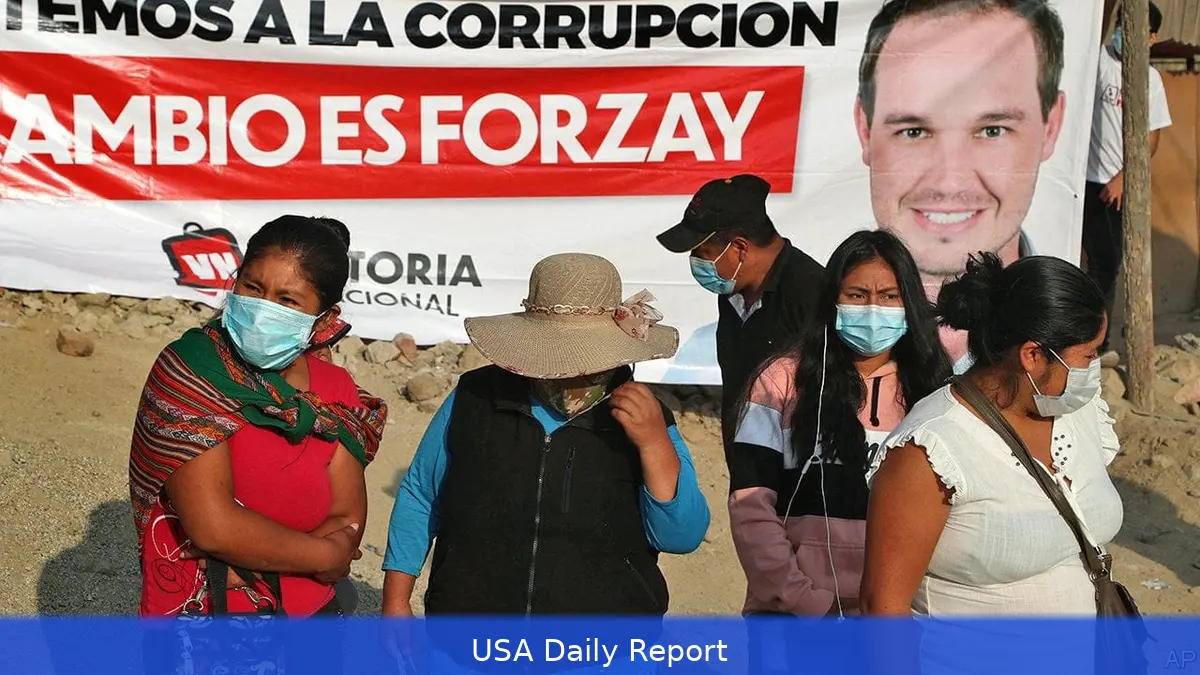
No clear frontrunner emerged as Peruans voted Sunday. The ballot could hand the country its ninth president since 2018.
Turnout, chaos and a long ballot
Polling stations opened at 7 a.m. Local time and were set to close at 5 p.m., with preliminary tallies expected soon after, election officials said. Some 27 million Peruvians were eligible to cast ballots in both presidential and legislative races. Voters faced a crowded field — 35 names on the presidential ticket — that ranged from mainstream politicians to entertainers and media figures.
Long lines and tired faces showed just how worn out voters felt.
Peru has cycled through eight presidents since 2018, a turnover driven in part by impeachment fights and corruption scandals that voters blame for weak, short‑lived administrations. That steady churn has left many citizens disillusioned and skeptical about the ability of any new leader to hold power and deliver results.
Many candidates are actually well known. Keiko Fujimori, the conservative who’s run three times before and reached the run‑off in each previous bid, remains the most prominent name. She’s running now as a guarantor of order and economic stability, pledging a hard line on crime and migration.
Candidates and messages
Keiko Fujimori framed her pitch bluntly on the eve of voting. “I will restore order in my first 100 days,” Fujimori told the Agence France‑Presse news agency, adding she would send the army into prisons, deport illegal migrants and tighten border security if elected. Her family legacy still shadows her campaign: her father, former President Alberto Fujimori, was convicted of human rights abuses and corruption and died in 2024.
At center‑left, Ricardo Belmont — a former mayor of Lima and candidate for the Civic Party Obras — was polling in second place in the run‑up to the vote, according to pre‑election surveys. Popular comedian Carlos Álvarez trailed closely, running on a tough‑on‑crime message as homicide rates in parts of the country have more than doubled over the past decade.
Other contenders include a media baron, a political dynasty heiress and a hard‑line ex‑mayor who’s likened himself to a cartoon pig — a mix that highlights the oddball quality of a ballot that still feels like it lacks a consensus figure. With none of the main candidates polling near the 50 percent threshold needed to win outright, a second‑round runoff on June 7 looked increasingly likely.

Voter mood and regional implications
Voter interviews captured deep frustration. “Peru is a mess, and there’s no candidate worth voting for,” Gloria Padilla, a fruit seller in Lima, told Reuters. Maria Fernandez, a 56‑year‑old clothing merchant, told AFP she wouldn’t vote for anyone because she’s “so disappointed with everyone in power” and accused past leaders of being “corrupt, thieving scoundrels.”
Those voices show why candidates have spent much of the campaign promising order and security rather than long‑term policy plans. Campaign rhetoric leaned heavily on immediate fixes: stronger policing, tougher sentencing and stricter immigration controls, rather than detailed economic blueprints or governance reforms.
The election results could have effects beyond Peru. The country’s rapid political turnover has already eroded public trust in institutions, and the election outcome will shape how stable the next administration might be — a question investors and regional partners watch closely.
Economy, governance and what’s at stake
Peru’s recent political turbulence has coincided with policy uncertainty. Candidates repeatedly linked security to economic confidence, with Fujimori expressly pitching herself as someone who can bring back stability. She used the language of order and economic reassurance to appeal to voters tired of crises and short‑lived governments.
That pitch matters for business sentiment. Markets and foreign investors generally prefer predictability; they react to clear rules, competent institutions and steady leadership. A winner who can articulate a credible plan for governance and security — and who avoids immediate confrontations with Congress and the judiciary — would be better positioned to calm nerves. But nothing in pre‑election polling suggested a single, unifying candidate had emerged.
Peruans also care about crime. Over the past decade, the national homicide rate has more than doubled, a statistic candidates used to justify bold promises on law enforcement. Tough‑on‑crime rhetoric may win ballots. But it raises hard questions about resources, oversight and the role of the military in domestic policing — questions that will confront any incoming president.
What comes next
With no contender approaching 50 percent in polls, the most likely outcome is a second round on June 7. That would give the two top finishers a month to consolidate support and for voters to decide between clearer contrasts in personality and policy. The provisional tallies due soon after polls closed are expected to show which two candidates move on.
A month of head‑to‑head campaigning can sharpen divisions. It can also create openings for unexpected alliances, tactical endorsements and last‑minute shifts by undecided voters. Whoever advances will need to court voters who mistrust political elites — a tall order given the recent history of impeachment and corruption scandals.
Finally, the tone of the post‑first‑round period will matter for Peru’s institutions. Persistent allegations of corruption, contested results or political street protests would test the resilience of democratic checks and balances in a country that has already endured repeated leadership changes in a short span.
In the end, the first round left more questions than answers.
Related Articles
- Hungarians Vote in Pivotal Election That Could Unseat Viktor Orban
- Oil-Rich Latin America Draws Traders as Global Oil Flows Mask Risks
“I will restore order in my first 100 days,” Keiko Fujimori told AFP.
This article was created with AI assistance.


