
Oil flows look steadier than they seem. Traders are turning to Latin America as war jitters cloud other supply hubs.
Hidden flows keep markets calm
Global oil movements have been quieter to the eye but not quiet in effect. Oilprice.com reported that Iran’s so-called "dark fleet" is keeping crude shipments moving at levels close to those before recent disruptions. That’s helping blunt immediate price spikes even as the true supply picture is harder to read.
Visible tanker traffic and headline supply cuts usually make traders react quickly. When those signals are muted, traders hunt for other sources of volatility and profit.
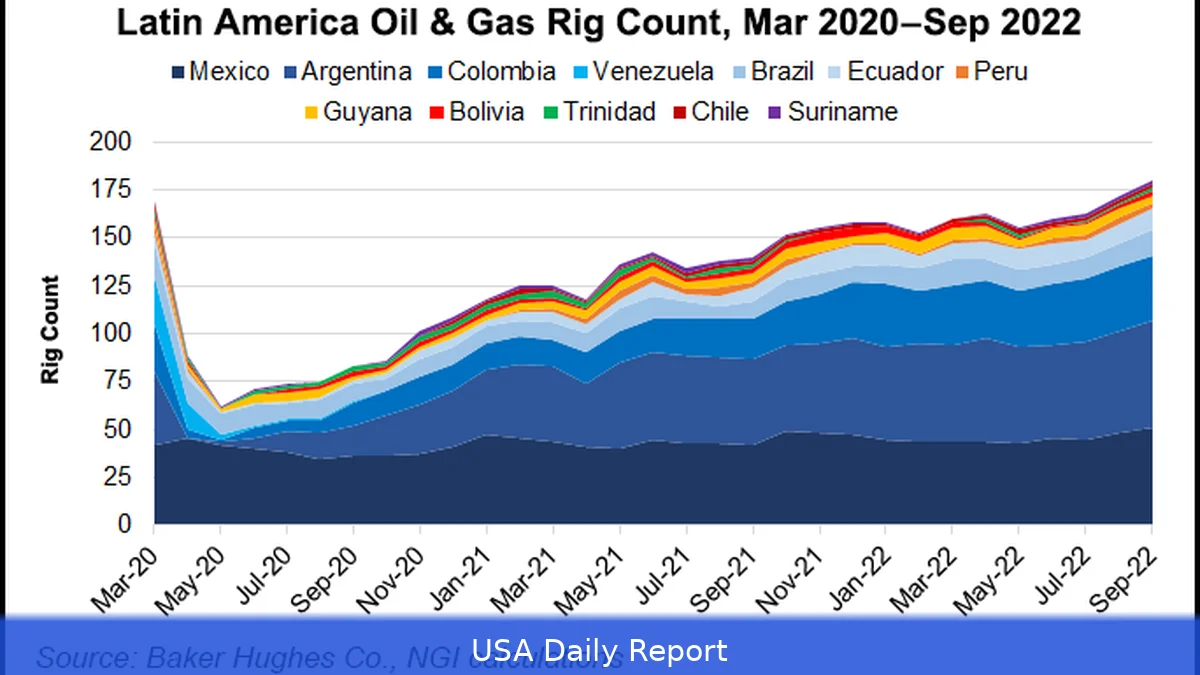
Latin America is one of the regions getting that attention. The region exports oil to major markets including China and the United States, and Deloitte’s regional outlook notes that current crude prices — around US$63 a barrel — are well below the five-year average of about US$74 a barrel.
Lower prices mean oil-exporting countries in the region are seeing weaker export receipts right now.
So while global flows appear steady, the situation isn't the same everywhere. Some countries face falling export values and, if prices stay low, might cut back on sector investment. That creates gaps in production and potential trading opportunities.
Tariffs, metals and shifting trade routes
Deloitte’s analysis of Latin America’s economic outlook shows tariffs and trade shifts reshaping regional commerce. Tariffs on Brazilian meat have opened room for Argentina, Paraguay and Uruguay to compete in markets where Brazilian prices had been dominant. This trade shift doesn’t just change meat markets; it shows how regional exporters react to foreign policies.
Tariffs in one sector often affect other industries and cross borders. Peru and Chile illustrate that: Deloitte flagged copper as a key U.S. Export for both countries — accounting for roughly 18% of Peru’s exports to the U.S. And 5% of Chile’s.
Those numbers are concrete signs of how dependent some economies are on single commodities. And commodity reliance makes countries more reactive to swings in both prices and policy.

Why traders see Latin America as an attractive play
Traders look for price changes and risks they can trade on. When the Middle East shows potential for disruption but flows stay near previous levels because of shadow shipping networks, you get a paradox: headline risk without the usual price shock. That can make established trading strategies — betting on short-term spikes based on visible outages — less reliable.
Latin America’s mix of oil, copper and other commodities offers alternative sources of volatility. Argentina, Colombia and Brazil export oil to China and the U.S., and Deloitte notes those countries are already feeling the squeeze from lower oil prices. For traders that means two things: lower export values can pressure local currencies and fiscal balances, and those pressures can create market moves worth trading.
Traders don’t only watch for prices going up. They're also looking for predictable directional bets: currency moves if a country’s oil receipts slump, or spreads widening if investment in the sector pulls back. Traders in New York, Europe, or Asia can make these kinds of moves.
Dollar, Fed policy and the ripple to U.S. Markets
Deloitte warned that the U.S. Dollar’s path and Federal Reserve policy could change how these dynamics play out. A Fed rate cut or signs of U.S. Economic weakening would likely alter exchange rates, which then feed back into commodity prices and investment flows into Latin America.
This directly affects the U.S. economy. Energy prices affect inflation, trade balances and corporate profits. Lower oil prices help U.S. Consumers at the pump but pressure oil firms and economies that sell crude. And those effects feed into markets American investors own — everything from energy stocks to sovereign bonds issued by Latin American governments.
A weaker dollar pushed gold prices up this year, but it can hurt oil exporters who price in dollars. In short: U.S. Monetary policy changes won't just shift Wall Street; they'll influence whether investment heads toward or away from Latin American producers.
Political signals matter as much as market ones
National policy choices are part of the calculus too. Tariff decisions, export rules and fiscal policy in countries like Brazil, Argentina and Peru alter the investment case for their oil sectors. When tariff disputes change trade flows for meat or metals, policymakers elsewhere notice and may respond with their own measures.
And investors watch political stability closely. Countries reliant on a few commodities have thinner fiscal buffers when prices move against them. That means governments may change taxes, royalties or export rules to steady finances — moves that can surprise traders and investors.
On the flip side, governments wanting investment might ease rules or offer incentives to boost production. Those steps make a country more attractive to long-term energy investors — and to traders who bet on those policy-driven rebounds.
What this means for market participants
For traders in New York, London or Singapore, Latin America offers a different set of signals from the ones coming out of the Middle East. With apparent stability in sea lanes — helped by opaque ship-to-ship transfers reported by Oilprice.com — market focus shifts toward fundamentals: production capacity, export receipts and domestic policy moves.
This leads to different strategies, like short-term bets on currencies.ency weakness, relative-value trades across commodity classes, and longer bets on policy-driven production increases. And remember: low prices can discourage investment, which may tighten future supply — a setup for larger moves down the road.
Finally, there's a risk angle. When supply appears steady thanks to unofficial channels, the market may be underpricing the upside shock if those channels are interrupted. Traders have to weigh the current calm against the possibility that the quiet is fragile.
Oilprice.com and Deloitte provide two side-by-side readings: one showing how unofficial shipping keeps crude moving, the other showing how regional trade patterns and dollar dynamics shape what exporters actually earn. Together they explain why market attention is shifting.
Related Articles
- Gardaí clear Whitegate blockade and escort fuel tankers back into Cork refinery
Deloitte reports oil at roughly US$63 a barrel, below the five-year average of about US$74.
This article was created with AI assistance.


