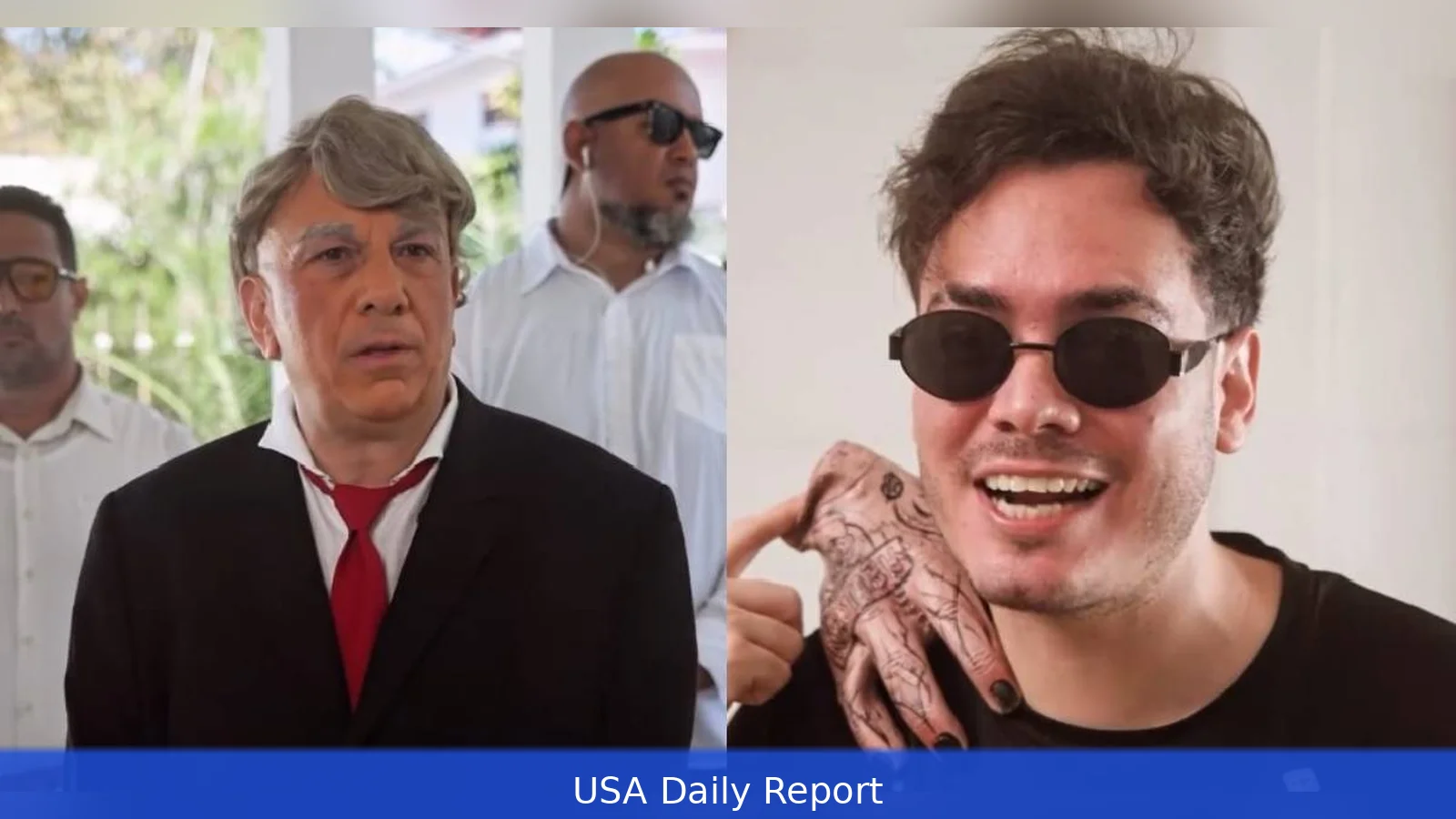
Sandro Castro spoke about Cuba’s future in a wide-ranging interview. He also addressed his online reach and the weight of his family name. The conversation touched on former President Donald Trump and what the Castro legacy means today.
A high-profile name on a new stage
Sandro Castro, the grandson of the late Cuban leader Fidel Castro, has been building a public profile through social media and interviews. He discussed what it means to carry the Castro surname while speaking about political and social challenges inside Cuba. His comments come as the younger generation of Cubans — and Cubans abroad — increasingly use online platforms to shape public debate and public opinion.
Look, the Castro name still opens doors and draws attention.
In the interview with Gadi Schwartz on April 16, 2026, Sandro Castro described the mixed reaction his family history triggers. He acknowledged that the history attached to his surname colors how people interpret his views. He also explained that social media gives him direct access to audiences that traditional Cuban state media and exile channels don't reach as easily.
Those audiences include people inside Cuba and members of the Cuban diaspora in the United States. The interview didn't focus on partisan politics in the U.S., but Sandro spoke about how international figures — including former President Donald Trump — figure into conversations about Cuba’s path forward. His remarks suggest that personalities outside Cuba still shape Cuban conversations at home and abroad.
What Sandro Castro said about Trump and U.S.-Cuba ties
Sandro referenced Donald Trump by name while describing the broader political context around Cuba. He didn't outline specific policy proposals, but framed Trump's role as part of the international backdrop that influences Cuban thinking. The exchange showd how U.S. Political figures, past and present, remain part of how Cubans imagine their future and how Cubans abroad lobby Washington for attention.
Thing is, U.S. Political signaling matters.
U.S. policymakers pay close attention when members of Cuba’s most famous political family speak. When a Castro family member uses global platforms, Washington watches not only for policy content but for clues about political alignments, generational shifts and potential openings for diplomacy. Sandro’s focus on social media and on personal branding signals a different approach compared with the state-centric politics of his grandfather’s era.
Social media, influence and a contested legacy
Sandro Castro talked about how he uses social media to connect directly with people. He framed his online presence as a tool for shaping how the Castro name is understood by a new generation. That strategy matters because on platforms where short videos and rapid interactions set the tone, narratives can shift fast — and influence overseas communities, including Cuban-Americans who remain politically active in the U.S.
He also spoke about the burden of history attached to his family name and how younger Cubans interpret that past differently than older generations. The interview highlighted tensions between personal expression and inherited symbolism. Sandro said he feels both the advantages and constraints of being part of a family that defined Cuba for decades.
For Cubans on the island, digital platforms are a double-edged sword: they provide a channel for debate but also attract scrutiny. Sandro’s remarks illustrated that even private comments by prominent names can become public test cases for what's acceptable to discuss, and how the state, the public and exile communities respond.
Economic and political implications for the U.S.
Sandro Castro’s remarks matter for Washington mainly because U.S.-Cuba relations remain a policy area where symbolism and public diplomacy have oversized impact. The Cuban-American community in Florida and elsewhere watches both personalities and policy shifts closely. When members of Cuba’s leading families speak openly, they can affect public sentiment among diaspora voters and advocacy groups that influence U.S. Lawmakers.
For U.S. Businesses and policymakers considering economic engagement, messages from figures like Sandro feed into risk calculations. Private-sector actors evaluate not just regulations and sanctions but how stability, sentiment and social media narratives might affect prospects for tourism, remittances and limited commercial ties. Even if Sandro didn't lay out an economic plan, his emphasis on generational change and online outreach adds a new element to how observers assess Cuba’s trajectory.
That said, major policy levers remain firmly in the hands of governments. U.S. Sanctions, trade rules and visa policies determine the scope of formal engagement. Still, high-profile voices can influence the political environment in which those rules are debated in Congress and in the White House.
Why this interview lands now
The timing of Sandro Castro’s interview is notable because the Cuban story has repeatedly resurfaced in U.S. Political debates. Public attention to Cuba spikes with migration flows, protests and diplomatic moves. When someone with a Castro surname speaks to an international audience, the conversation often circles back to unresolved questions about governance, rights and economic opportunity on the island.
His comments show how younger Cubans are turning to TikTok, Instagram, and YouTube to share ideas and organize. That trend crosses borders, shaping how Cubans who live in the United States interact with their homeland and with American policy debates.
While the interview didn’t offer a clear plan for policy changes, it highlighted the role of soft power. Sandro’s approach — leaning into social media rather than formal political channels — signals how political identities tied to family history can be repurposed in a digital age.
What to watch next
Observers should track how Sandro Castro’s public profile evolves and whether his messaging shifts from commentary to more concrete proposals. Will his online reach translate into political influence on the island or within the diaspora? That’s an open question he left implicit in the interview.
For U.S. Officials, the practical calculation will continue to hinge on measurable policy indicators: migration numbers, bilateral contacts, and any regulatory moves Washington makes. But public narratives matter too. When high-profile figures shape those narratives, they can nudge public opinion and the political costs of policy options.
Looking ahead, the interplay of legacy, social media influence and U.S. Politics is likely to remain a recurring theme in coverage of Cuba. Sandro Castro’s interview is one more example of how personal brand and political history intersect in ways that ripple across borders.
Related Articles
- Tillis to Block Fed Nominee, Urges Trump to Apologize to Pope
- Israeli Strike Destroys Last Litani Bridge
- Pope Slams 'Tyrants' Who Pour Billions into War
Sandro Castro spoke with Gadi Schwartz on April 16, 2026.


