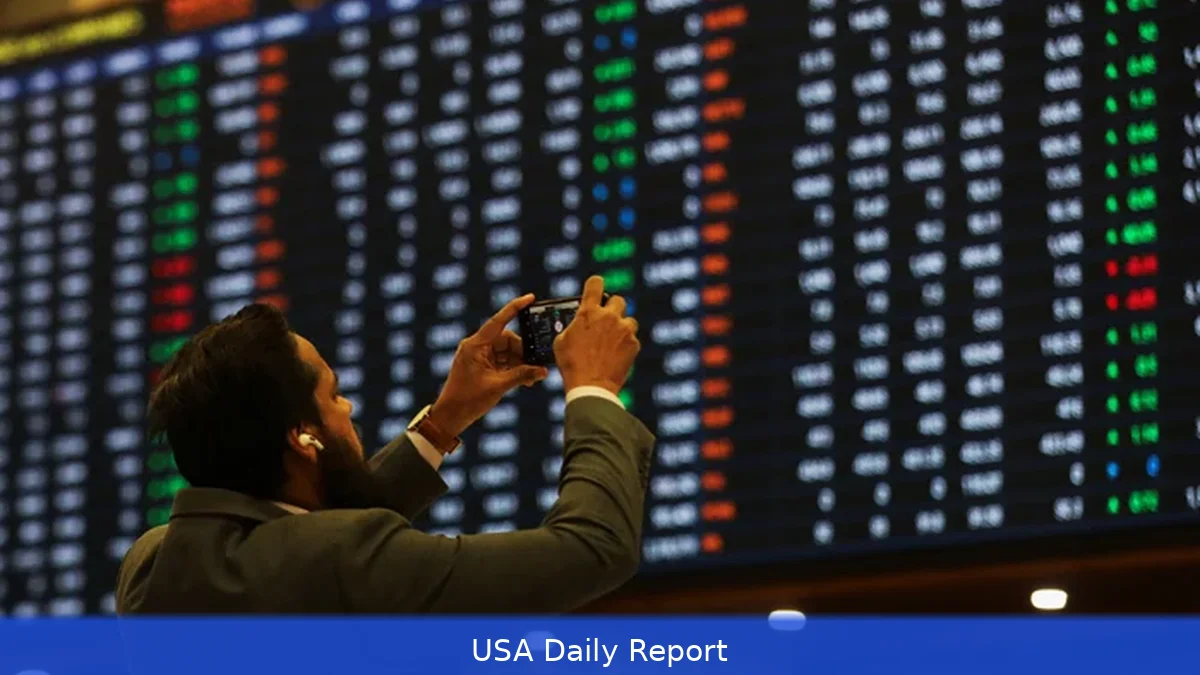
U.S. Financial markets rallied sharply Wednesday amid fresh hopes for a ceasefire in the ongoing conflict between the U.S. And Iran. The surge was fueled by a proposed 15-point peace plan and signs of diplomatic engagement, sparking the largest short squeeze since early 2020.
Market Reaction to Ceasefire Signals
Stocks climbed steadily throughout the day as investors reacted to a potential thaw in hostilities between Washington and Tehran. The S&P 500 rose roughly 0.4% by the closing bell, with the Nasdaq Composite gaining 0.7% and the Dow Jones Industrial Average adding 305 points. Smaller companies, represented by the Russell 2000 index, outperformed with a 1.1% increase.
The rally followed early reports of a detailed U.S. Peace proposal aimed at ending the monthlong conflict that erupted in late February. Futures tied to major indexes initially surged more than 1%, reflecting optimism that the Trump administration sought a diplomatic resolution.
But the mood shifted briefly when Iranian officials rejected the peace offer, causing futures to dip and oil prices to spike from their morning lows. Still, investors appeared to shrug off the setback by day’s end, pushing stocks higher.
Oil Prices Reflect Continued Uncertainty
Here's the thing — energy markets mirrored the political tension. After an early drop, U.S. Crude oil prices steadied, closing about 1.4% lower near $90 a barrel.
That’s down from the roughly 30% price jump since the conflict began on February 28, but still a 50% increase relative to the start of the year.
Brent crude, the international benchmark, hovered around $102 per barrel, close to breakeven for the session. Heating oil prices, often linked to jet fuel costs, fell 6%, signaling some relief for transportation and energy sectors.
Gas prices at the pump remain elevated for American consumers. AAA data showed the average price for unleaded gasoline nationwide held steady at $3.98 per gallon on Wednesday. The ongoing volatility in the Strait of Hormuz—a critical chokepoint for global oil shipments—keeps prices sensitive to geopolitical developments.
Diplomatic Moves and Political Signals
The proposed U.S. Peace plan reportedly includes 15 specific points, aiming to de-escalate tensions and end the conflict. Iranian state TV cited a senior official who outlined five conditions Tehran wants met before ceasing hostilities. Details remain scarce, but the public rejection of the offer introduced uncertainty.
Pakistan has stepped forward as a mediator. According to multiple sources, Islamabad has been acting as a conduit for messages between the U.S. And Iran over the past two days. There’s talk of an in-person meeting between the two countries in the near future, which could mark a turning point in the crisis.
President Donald Trump has given mixed messages. On March 16, he delayed a planned trip to China, citing the need to monitor the situation in the Middle East. Days later, he claimed the Strait of Hormuz would reopen “very soon,” despite reports of ongoing naval tensions.
Tuesday brought a conflicting message when Trump declared in the Oval Office, “This war has been won,” while U.S. Officials simultaneously moved to deploy an additional 1,000 troops to the region. These contradictory signals make the diplomatic landscape and leave markets guessing about the administration’s strategy.
Economic and Political Implications
Since late February, the conflict has significantly affected global markets. Oil prices surged as fears grew over supply disruptions, driving up costs for consumers and businesses alike. Higher energy costs have inflationary effects, pressuring household budgets and corporate profits.
Stocks have reacted sensitively to every new development, swinging between risk-on and risk-off modes. The latest rally reflects hope that a ceasefire could stabilize oil prices and ease broader market volatility.
Analysts continue to warn that the situation is fragile. UBS Global Wealth Management’s chief economist, Paul Donovan, pointed out that investors are eager to believe in positive outcomes, often overlooking setbacks or diplomatic stalemates. He noted that actual passage through the Strait of Hormuz has remained minimal, suggesting that market fears may sometimes outpace reality.
That said, the risk of escalation continues to loom, especially with conflicting signals from the White House and ongoing troop deployments. A lasting peace deal would likely ease energy prices and restore some market confidence.
But if talks falter, volatility could return with a vengeance.
Looking Ahead
Negotiations mediated by Pakistan could open a new diplomatic chapter, but the road to peace is uncertain. Whether the ceasefire holds depends on numerous factors, including the willingness of both sides to compromise and the ability of international actors to help dialogue.
Meanwhile, U.S. Consumers and investors face the immediate effects of fluctuating energy prices and geopolitical risk. This recent short squeeze shows how quickly investor sentiment can shift when there's hope for peace, but it also highlights how fragile the market remains.
The next steps will influence U.S. stocks, oil prices, and the stability of the Middle East and the global economy.
Related Articles
- Iran and US Halt Hostilities Amid Ceasefire Claims: What’s Really at Stake?
- Conflict with Iran Threatens Global Food Supply Chain Amid Rising Costs
- US-Iran Ceasefire Sends Oil Prices Tumbling, But Fuel Costs for Americans May Not Drop Soon
As talks continue and tensions persist, markets will watch closely for signs of progress or setbacks. The coming days may prove decisive in determining whether this latest rally has legs—or if volatility is set to return.


