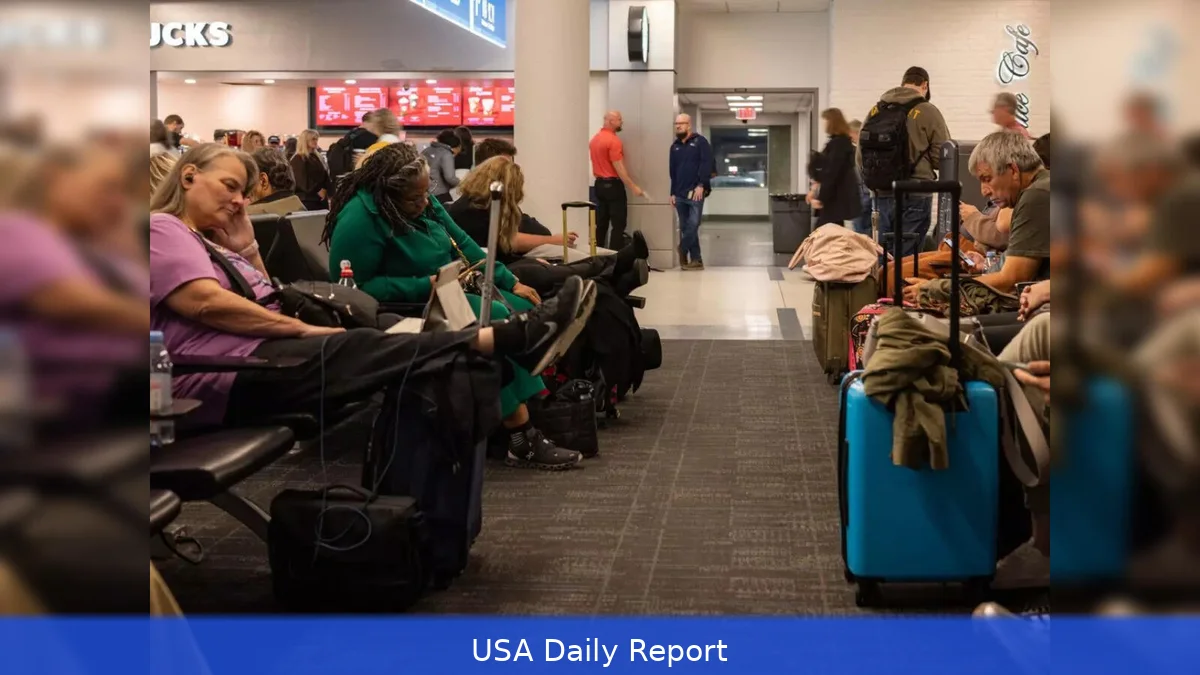
Thousands of holidaymakers face uncertainty as travel companies cancel trips amid escalating tensions in the Middle East. Regulators are stepping up, reminding firms to provide cash refunds rather than vouchers — a move that could reshape how consumers recover losses during geopolitical crises.
Travel Disruptions Spark Refund Debate
Conflicts in the Middle East often disrupt more than just the region itself. Airlines and travel companies have started canceling flights, leaving customers stranded or forced to rethink their plans. But the bigger question now is how these companies handle cancellations — and what travelers are entitled to for refunds.
The UK’s Civil Aviation Authority (CAA) has taken a firm stance, emphasizing that passengers should be offered cash refunds rather than just vouchers. The CAA’s guidance comes amid growing concern that vouchers, which some companies prefer to issue, may not offer travelers the same level of protection.
Thing is — vouchers aren't covered under Atol protection. That means if a travel company goes under, customers holding vouchers could lose their money. Cash refunds, on the other hand, are protected, giving travelers more security during uncertain times.
Legal Rights and Industry Challenges
Under the Package Travel and Linked Travel Arrangements Regulations 2018, travelers have the right to cancel package holidays without penalty if extraordinary and unavoidable circumstances arise. The ongoing conflict in the Middle East fits this description.
Companies must then provide a full refund within 14 days of cancellation.
But the travel industry is facing a tough spot. Many firms are juggling the fallout of canceled trips, fluctuating demand, and operational challenges linked to the conflict. Geoff Wingfield, the CAA’s Atol spokesperson, acknowledged the strain: “We recognize the challenges that travel companies are facing with the evolving situation in the Middle East.”
Still, Wingfield stressed the importance of protecting passengers’ holidays and ensuring companies understand how to support customers properly. “It’s vital that consumers know their rights and that companies honor those rights,” he said.
Economic Implications for the US and Beyond
While the CAA’s guidance is UK-focused, its message resonates globally. US travelers booked on international package holidays could face similar cancellations, and the principles behind refund rights have wide implications.
For American travel companies handling international bookings, this is a reminder that regulatory bodies and consumer advocates worldwide are pushing for cash refunds in cases of conflict-related cancellations. The preference for vouchers, often used as a cash flow strategy by companies, could face increasing scrutiny.
The economic fallout isn't limited to just travel companies. Airlines, tour operators, and hospitality businesses are all tangled in this web. When customers cancel trips en masse, companies lose revenue, forcing some to cut back on staffing or delay investments.
Travel companies listed in the UK, like Jet2holidays, Tui, and easyJet Holidays, hold thousands of licenses under Atol protection. Should these firms face mass cancellations, the financial strain could ripple through their supply chains, affecting US-based suppliers and partners.
Consumer Confidence and Travel Trends
Choosing between vouchers and cash refunds matters to travelers because it shapes their trust in booking trips later. Many customers prefer cash refunds because vouchers tie them to the issuing company and may come with restrictions or expiration dates.
Some firms have leaned heavily on vouchers during the pandemic to stay afloat, but the current situation in the Middle East is proving a stress test for The approach. The CAA’s insistence on cash refunds aims to ensure travelers aren't left out in the cold if companies fold or fail to honor vouchers.
That said, the Foreign Office continues to advise against all but essential travel to large parts of the Middle East. This advisory adds weight to travelers’ decisions to cancel and seek refunds. It also pressures travel companies to adjust their policies swiftly.
Wild part? The conflict has already impacted at least 17,000 holidays booked through Lastminute.com, pushing travelers to reroute or postpone plans. The shift affects popular destinations, travel patterns, and At the end of the day, the global tourism economy.
The Road Ahead for Travel Companies
Travel companies now face a balancing act: managing cash flow while maintaining consumer trust. Offering cash refunds quickly means more immediate financial pressure. Refusing to do so risks legal action, regulatory penalties, and damaged reputations.
For US companies with international operations or partnerships, the message is clear — customer rights matter more than ever during crises. Staying ahead means updating refund policies, communicating transparently with customers, and cooperating with regulators.
Conflicts like this one in the Middle East have disrupted travel before and will likely do so again. But how companies respond now could set a precedent for handling cancellations linked to future emergencies.
Related Articles
- Conflict with Iran Threatens Global Food Supply Chain Amid Rising Costs
- South Africa Drives Recovery in Emerging Markets Amid Iran Conflict
- US-Iran Ceasefire Sends Oil Prices Tumbling, But Fuel Costs for Americans May Not Drop Soon
The CAA’s firm reminder about cash refunds highlights the growing pressure on travel companies worldwide to prioritize customer rights amid conflict-driven cancellations. It's unclear if US travelers will get the same protections, but the demand for clear policies and financial safety is growing.


